Follow the cards from incoming supply to finished pack
| What reaches the packing area | Required work before wrapping | First configuration to assess |
|---|---|---|
| A stack of identical cards, each sold separately | Separate one card, maintain its position and detect the agreed missing/double-card conditions | Single-card feeder with a supported transfer to the wrapper |
| Already counted and collated decks | Receive each complete deck and keep its edges square through transfer | Deck infeed and flow wrapper; operators or upstream equipment supply the decks |
| Several card types that must form a fixed set | Supply the required cards from each source, build the set and verify it before release | A defined collating section followed by supported deck transfer and wrapping |
Choose the saleable finish: wrapped deck or boxed deck
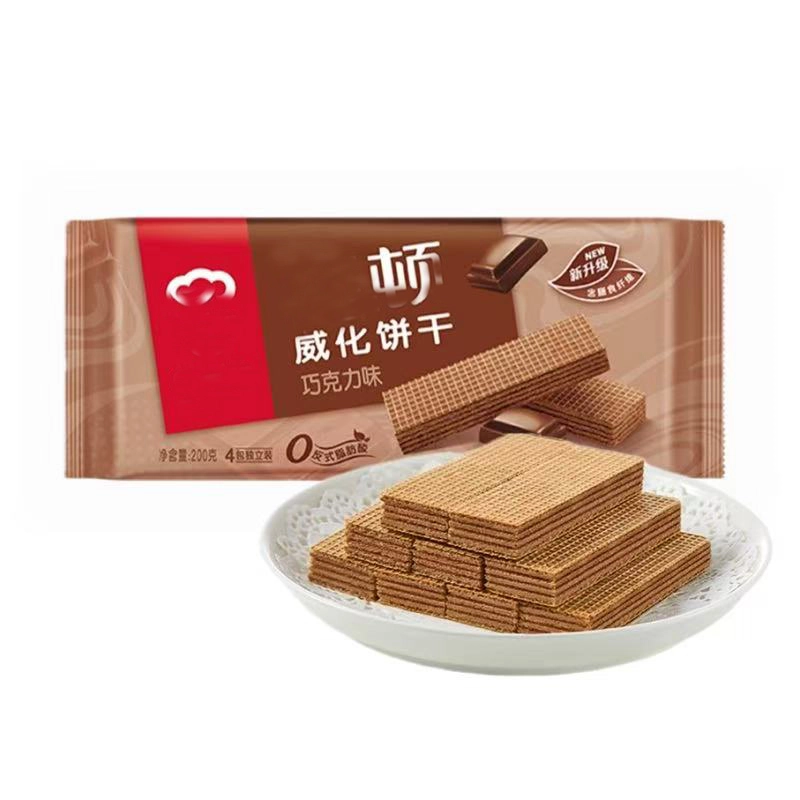
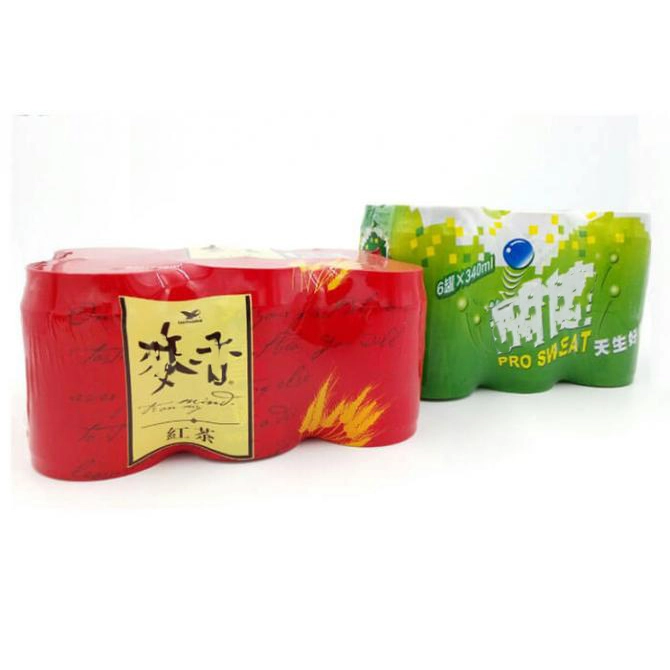
A pillow bag can enclose a loose deck directly, with room for the stack and its seals. A deck sold in a printed retail carton first needs carton loading and closing. Folded-film overwrapping can then follow the shape of that already closed box.
Keep cards supported until the film holds the pack
Look at the point where the card leaves one support and reaches the next. A thin card can dip into a gap; a deck can fan out if its leading edge strikes a guide. Support should continue close enough to that transition for the actual card stiffness and stack thickness.If cards leave the feeder in pairs, check single-card separation and detection before wrapping. For a squared deck, support the edges through transfer so the group keeps its shape inside the film. The folded-film overwrapper budget of US$8,000–25,000 applies to an already closed box.
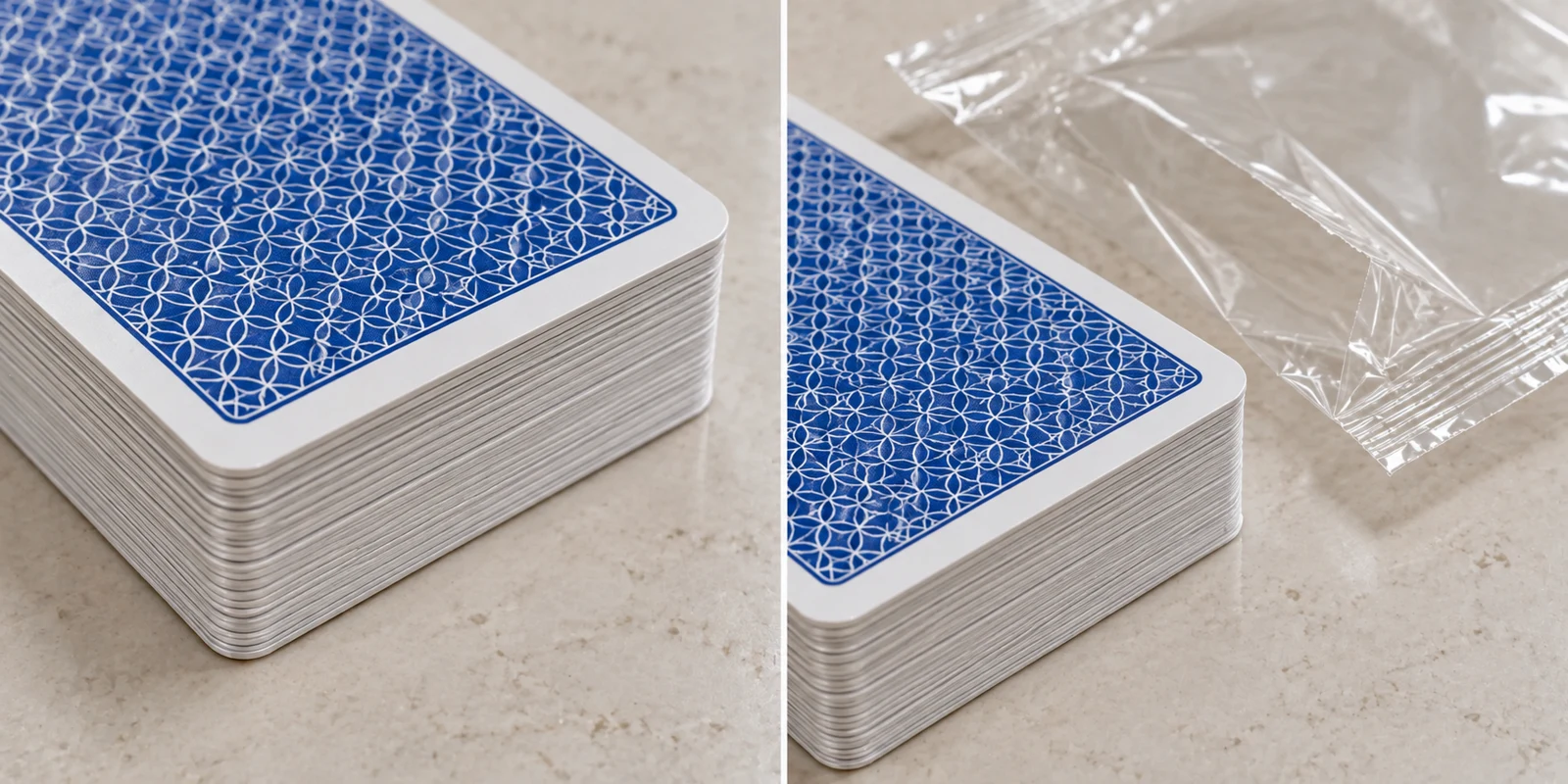
Inspect the same sample at three positions
Use normal glossy, static-prone or variable-thickness stock when assessing separation. For decks, include both the thinnest and thickest planned stack. Keep card edges clear of the film-forming and end-sealing path.1. Before transferSquare the deck and check the original corners and surface.
2. At transferObserve the leading edge crossing the gap and guides. Check whether the bottom card catches or the stack fans.
3. After opening the bagCompare the same corners for creasing, rubbing or displacement. Locate where any new mark began.
A fixed card set needs a defined recipe
Path A: the ten-card deck is already complete
1. Receive one deckOne instruction card and nine game cards already supplied together.
2. Keep it squareTransfer the complete stack with support.
3. Wrap and releaseEnclose one complete deck in each bag.
Path B: the instruction card is added during packing
Ten cards can be the right quantity but the wrong set. State which types belong in the deck and whether order matters. Quantity checking and design or sequence checking need their own methods.1. Receive nine-card stackUpstream supplies the game-card group.
2. Add instruction cardSeparate supply contributes one card in the required position.
3. Check and retainCheck ten-card quantity; add identity/sequence checking if required.
4. Wrap and releaseKeep an incomplete or rejected set out of the accepted output.
Special projects
Serialized, SIM or identity-card packs may need a card linked to a carrier, label or record. Randomized assortments need a distribution rule. Reading, matching, record handling and randomization are separate from ordinary wrapping and must be specified as project functions.Budgets for card feeding and wrapping
These October 2026 indicative allowances assume new China-supplied equipment, one approved ordinary card/deck format and first-format setup. Compare the incoming products below: a prepared deck requires less work than separate stacks that still need collation.| Planning allowance | Included task | Starting condition |
|---|---|---|
| US$5,000 to 25,000 Operator-loaded flow wrapper | Suitable infeed, film forming, sealing and discharge | Operators present a single card or a finished, squared deck. |
| US$15,000 to 50,000 Defined feeder and flow-wrap section | The selected single-card or prepared-deck feed, support, wrapper and basic controls | One specified card supply or already completed deck. The offer states which feed is included and what operators replenish. |
| US$8,000 to 25,000 Folded-film box overwrapper | Film application and closing around compatible boxes | Decks already enclosed in closed, dimensionally consistent retail cartons. |
The wrapping platform
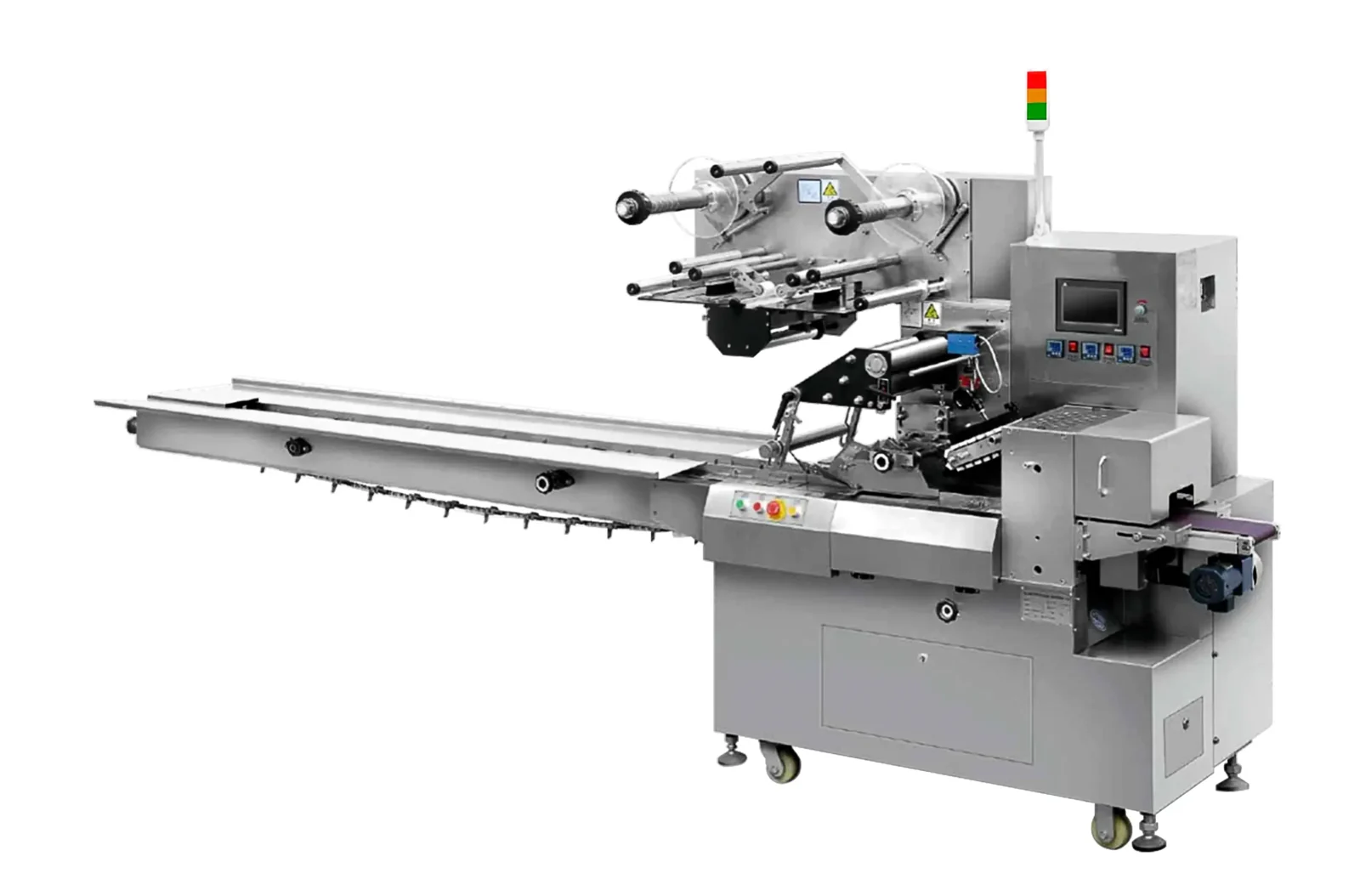
The horizontal flow wrapper forms and seals film around the product supplied to it. Card separation, collation and dedicated stack support are selected as application work.