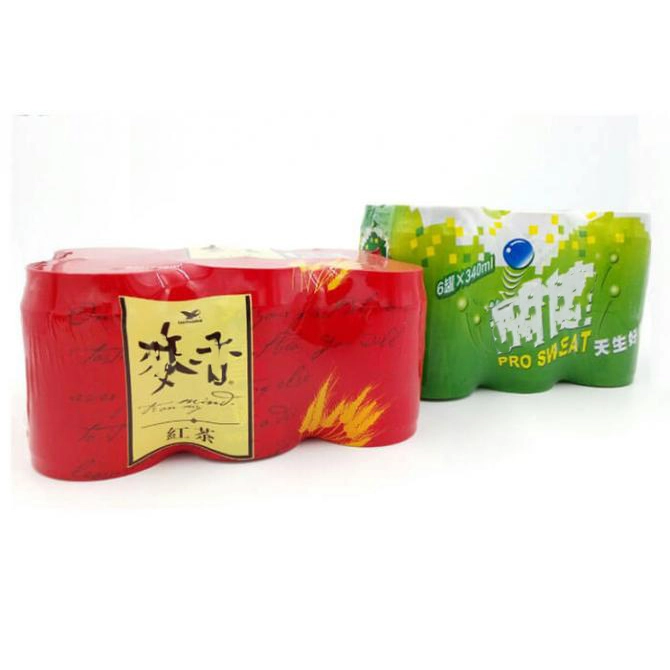
For retail cable coils, compare the finished pack and how the installer will open it. For heavy steel wire coils, establish the coil weight and loading method before selecting a wrapper. Comwin can assess the packaging arrangement around your coil sample, handling limits and required output.
Choose the package around an already wound coil
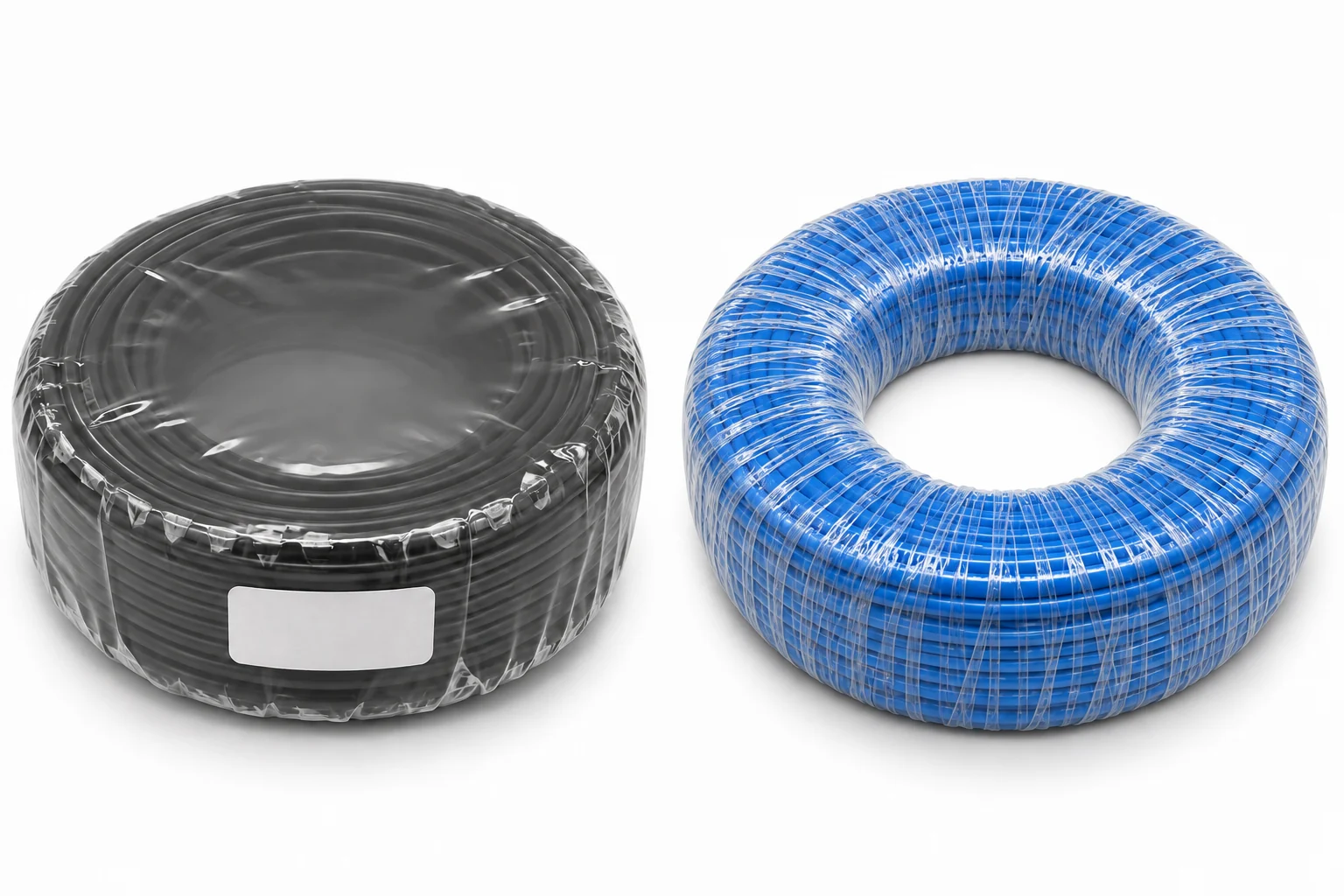
| Finished pack | Where it fits | What determines the equipment |
|---|---|---|
| Sealed shrink-film enclosure | A stable retail coil that accepts film across the centre opening and the heat exposure established in the cable-and-film trial. | Coil diameter, height and weight; sealing clearance; conveyor support; jacket response to the proposed tunnel exposure. |
| Film wrapped through the coil eye | A specified open centre, with an inside diameter and cross-section that allow the wrapping film to pass through the eye. Assess this route where a full shrink enclosure does not meet the required pack finish. | Inside clearance for the wrapping head, cross-section, weight, rotation support and film tension. |
A shrink wrapping machine encloses the prepared coil before the film passes through a heat tunnel. Trial the actual cable jacket and film together. Check the cooled package for distortion, surface marks and damage at the ends; a good-looking outer wrap alone does not establish that the cable is unchanged.
Through-eye wrapping passes film around the ring cross-section. Coil inside diameter therefore matters as much as outside diameter. Film tension should hold the wrap without pulling a soft coil out of shape. Where a coil can spring open, provide suitable ties or restraint before releasing it from the winding support; the wrapper needs a controlled, stable load.
For outdoor storage or a specified moisture barrier, define the exposure conditions and test the selected film and seams. For indoor handling, establish the required dust and surface protection separately.
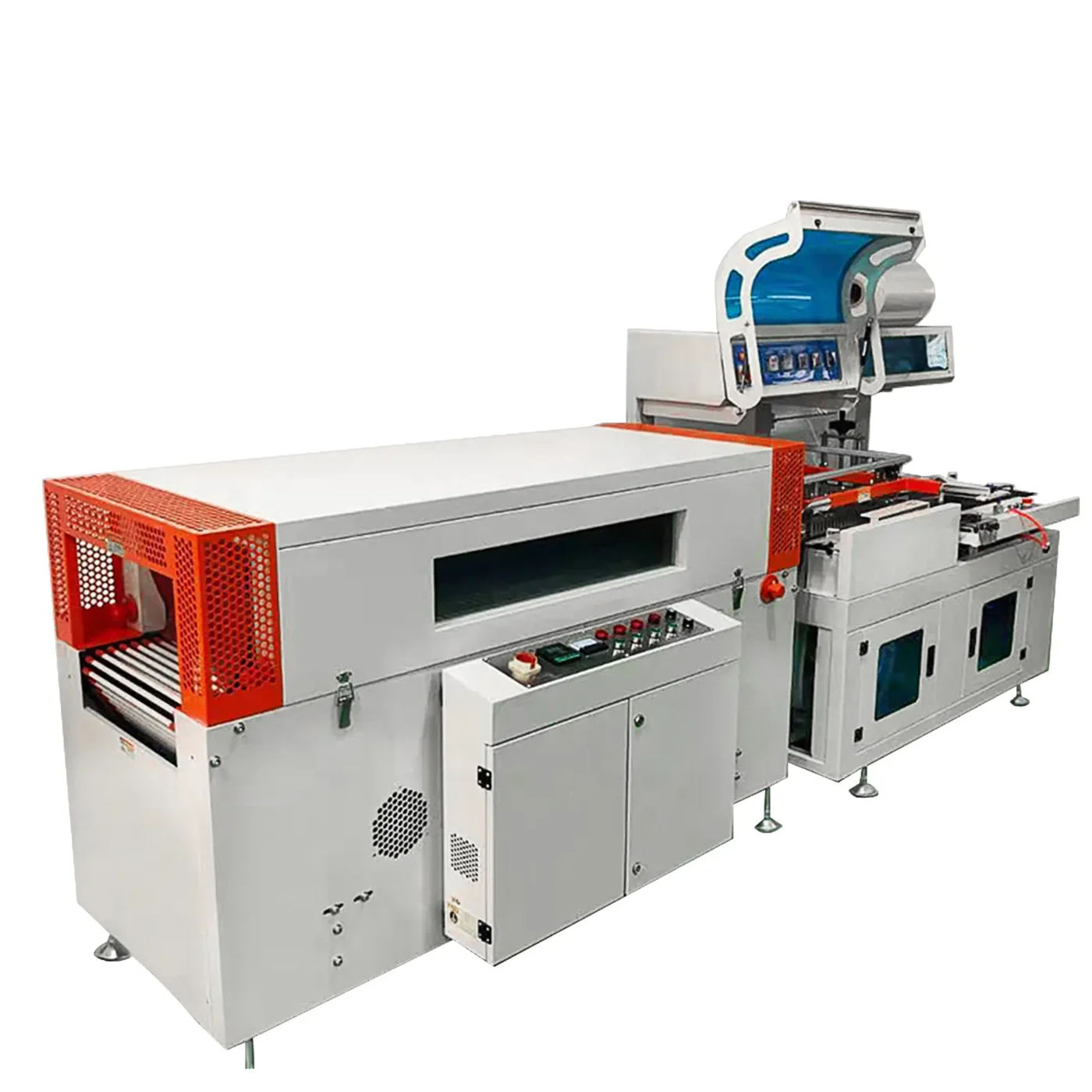
Three cable-coil jobs with different starting points
Retail electrical cable already supplied in coils
If winding and length control are already satisfactory, keep those operations and evaluate a packing station for the finished coil. For example, a distributor may need a visible product label and a clean outer film while changing between several coil diameters. The practical comparison is loading effort, sealing clearance, changeover and the appearance of the delivered pack.
Prepared and restrained coil → load on suitable support → enclose and seal film → shrink and cool → check label and pack
Cable supplied on a reel and sold in measured coils
This job needs a cable coiling and packing arrangement. Define who supplies the payoff, how the cable is guided and measured, how the end is cut and held, and how the completed coil reaches the wrapper. A winding machine that produces a neat coil may still need an operator to tie it and transfer it.
Supply reel → guide and measure → cut and wind → secure coil → transfer → selected film finish
Ask for a demonstration covering the complete change from one coil to the next. The difficult moment may be holding the cut end or removing the coil from the winding head. Looking only at the winding speed can hide that delay.
Stainless-steel or heavy steel wire coils
A steel wire coil packing machine must support the actual load during loading, rotation and discharge. Size the supports and any lifting or powered transfer around the coil mass, inside and outside diameters, width, stability and exposed ends. Specify corrosion-control and surface-protection materials alongside those handling requirements.
Compare complete coil cycles
Specify accepted coils per hour at your actual length per coil. A cable speed in metres per minute gives only part of the answer.
For a calculation example, winding 100 m at a constant 200 m/min takes 30 seconds. If cutting, securing and removal add an assumed 12 seconds that cannot overlap with winding, the theoretical cycle becomes 42 seconds, or about 86 coils per hour. These are calculation inputs, not an equipment rating. Acceleration, supply-reel changes and stops can reduce the sustained result.
Where winding and packing run at separate stations, compare their measured cycle times and decide whether a buffer can hold coils securely. For one shared station, include all non-overlapping operations in the cycle. Confirm who replenishes film, removes finished coils and handles an interrupted cycle.
Comwin’s packaging automation and production-line planning can establish the packaging scope and interfaces. The proposal should name each included station and its responsibility, including any upstream equipment supplied separately.
Budget for the packing scope you actually need
For a compatible, prepared small coil, an indicative equipment budget for a sealing machine and shrink tunnel is US$5,000 to US$20,000. This reference assumes operator loading and a defined coil-and-film format. Selection still depends on the usable sealing opening, supported weight and trial result; it is not a quotation for every cable coil.
| Budget boundary | Included or assessed separately |
|---|---|
| Basic shrink packing station | Film sealing and heat shrinking for the agreed prepared coil. |
| Coil preparation | Payoff, length measurement, cutting, winding and securing are additional scope. |
| Handling and automation | Automatic loading, heavy-coil lifting, buffers and linked discharge need separate sizing and pricing. |
| Other costs | Freight, taxes, overseas installation and production consumables are excluded from the equipment reference. |
A through-eye wrapper or integrated cut-and-coil line needs a separate configuration budget. The shrink-station range above does not price those machines. When comparing offers, request a station list and mark every manual handoff. A cheaper offer may cover only wrapping while another also includes coil preparation.
What to ask a cable packing machine supplier to demonstrate
| Run or check | Useful acceptance evidence |
|---|---|
| Smallest and largest intended coils | Stable support, usable film coverage and clearance through the complete path. |
| Softest or most spring-prone cable | Coil remains controlled during release, transfer and wrapping; jacket and ends remain undamaged. |
| Measured-length production | An agreed independent length check and a recorded method for the specific cable and line conditions. |
| Representative sustained run and changeover | Accepted packs per hour, operator tasks, replenishment stops and actual format-change steps. |
| Packing and delivery proposal | Included stations, compatible formats, agreed trial material, spare parts, training and installation responsibilities. |
Include opening the finished pack in the trial. The installer should be able to identify the end and remove the wrapping without cutting the jacket. If the application calls for a specialised centre-pull payout system, state that separately: an ordinary wound coil inside film does not establish controlled centre-pull dispensing.
Related questions
Can one machine handle both coils and cable ties?
Finished cable ties and cable clips are discrete products with feeding, counting and bagging requirements. A coil wrapper is selected around a wound ring. Treat these as separate packaging tasks when requesting equipment.
Can a shrink tunnel replace coil restraint?
The coil must remain stable through loading, sealing and tunnel entry. Determine the restraint from the cable’s spring behaviour and the winding process. A trial should establish whether the intended ties or other retention method are needed before film packing.
Send the coil dimensions and the required finished pack
For an initial recommendation, send a photo of the coil, its inside and outside diameters, height, weight, cable type, length per coil and required coils per hour. Tell us whether coils arrive already wound or must be made from a supply reel, and show the preferred finished packaging.
With that information, Comwin can identify the packaging route and the measurements needed for a trial. Factory layout, utilities, transfer heights and detailed acceptance criteria can then be confirmed for the proposed equipment.
Comwin offers free sample testing, a two-year machine warranty and a three-year warranty for core components. Remote support responds within 24 hours. Training, installation and spare-part responsibilities are agreed in the proposal.