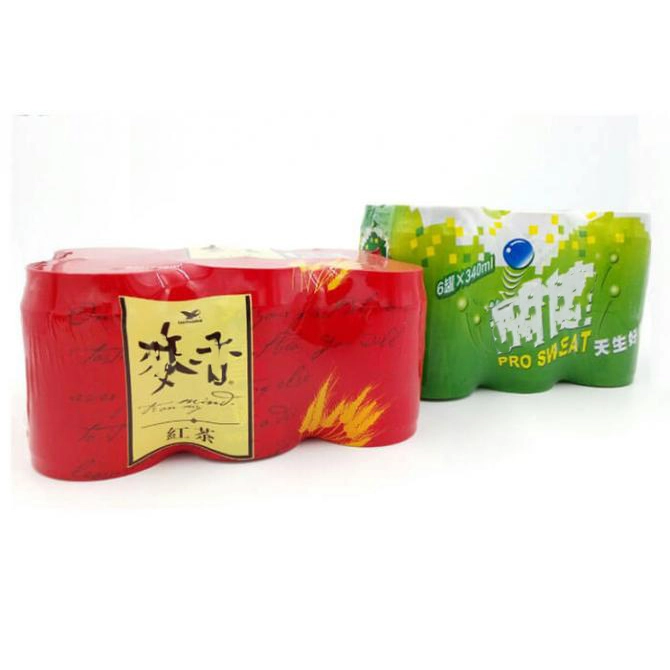
For a stable pillar candle that accepts film, use a horizontal flow wrapper with enough support to keep the candle from rolling and the wick clear of the seal. Compare shrink only where the pack needs a tight finish and the product tolerates the heat. Use a fitted carton when a glass jar needs restraint.
Indicative equipment prices are US$5,000–25,000 for a base horizontal wrapper, US$5,000–20,000 for compatible sealing and shrinking, and US$25,000–80,000 for a retail cartoner. Specify anti-roll infeed, grouping or jar inserts separately.
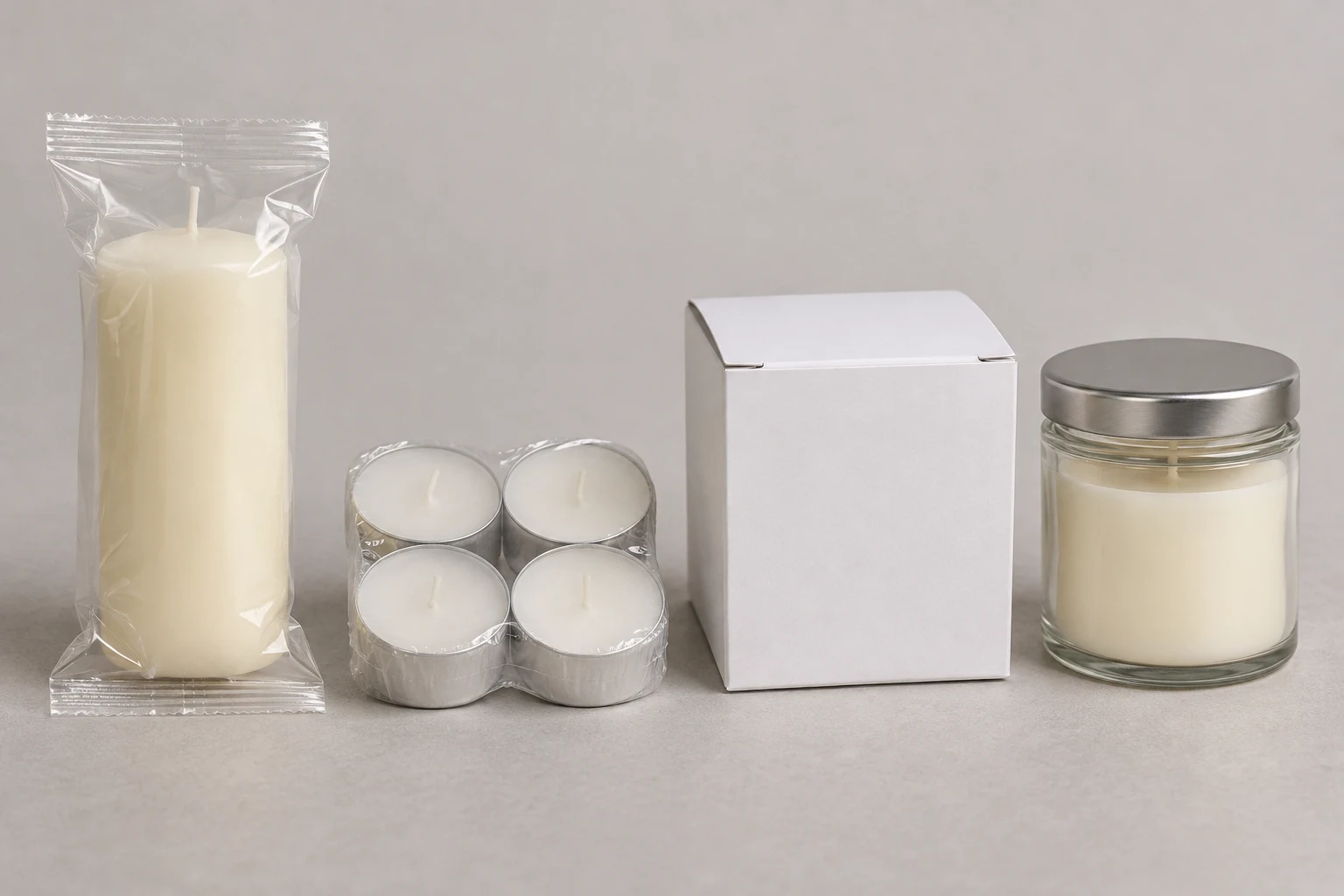
Choose protection by candle shape
| Candle | Packaging route | Critical check |
|---|---|---|
| One finished pillar or taper | Horizontal flow wrapping with an infeed suited to the candle profile. | Prevent rolling and keep the wick clear of the end seal. |
| Stable group of tealights | Collate and use shrink wrapping if the wax, cups and labels tolerate the trial conditions. | Open cooled samples and check surface marks, cup distortion and wick position. |
| Glass jar candle with lid | Load into a fitted paperboard carton. Use a suitable cartoner if recurring volume warrants automation. | Test jar movement, lid retention and fit of any insert. |
Single pillar: support against rolling → wrap → inspect wick clearance
Tealight group: collate → shrink → cool and check surfaces
Trace scuffs before changing film or settings
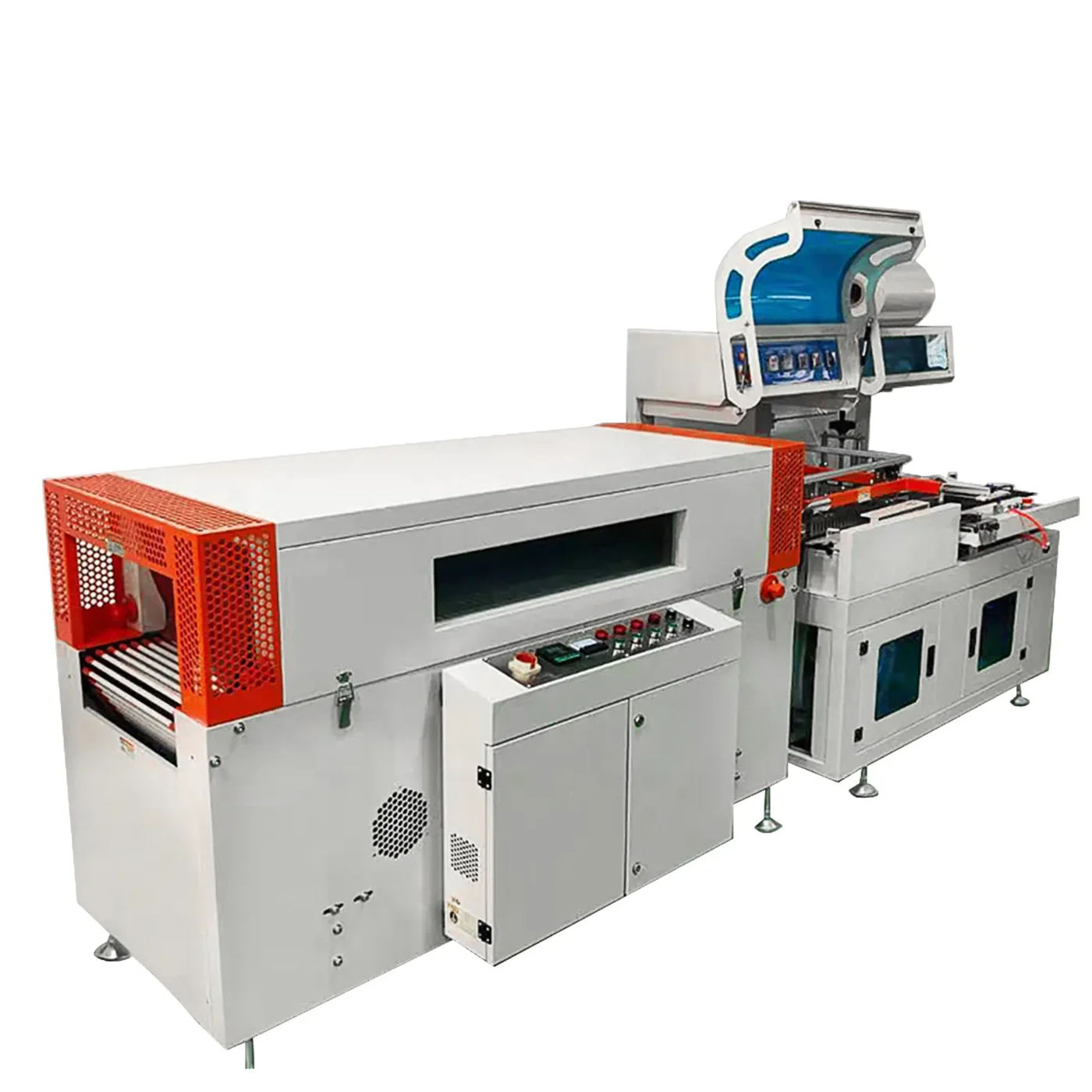
Examine the candle at line entry, after the first guide, and after packing. Mark which side is damaged. A repeated line at the same height points to a contact point worth inspecting. If the mark appears only after a shrink test, compare tunnel exposure and cooling with the actual wax, coating and label. If the product cannot tolerate the required exposure, evaluate a non-shrink wrap for the intended group or change the retail format.
With a round jar, verify that label presentation and rotation are controlled before it reaches the carton. Try the heaviest jar with the least rigid intended insert. A carton that looks correct on a bench can still jam if the insert opens at loading or the lid shifts during transfer.
Keep the jar located inside its carton

The insert must locate the jar without lifting its lid or snagging at loading. Compare the intended loading opening with the jar-and-insert assembly before choosing carton tooling. The cutaway shows the support principle; handling tests use the complete closed box.
Set the loading task before selecting a speed

With mixed short runs, an operator may place finished candles into the wrapper or prepare carton inserts at a bench. For a repeat tealight pack, define the collation pattern, how a missing unit is detected, and what happens when upstream supply pauses. Compare good packs per hour at the full count and during normal refills. For a custom machine, ask which guides and pockets change when you switch diameter, height or carton width.
Candle packing machine price by operation
| Compatible base equipment | Indicative USD equipment reference | Quote separately |
|---|---|---|
| Horizontal wrapper | 5,000–25,000 | Anti-roll product support, special feeding or printing configuration |
| Seal and shrink combination | 5,000–20,000 | Collation and material trials at the agreed group count |
| Retail cartoner | 25,000–80,000 | Jar loading, insert placement and additional carton formats |
These are planning references for separate machines. Compare suppliers on the candle handling shown in the trial, the format parts included and the work left to the operator. Use the same candles and retail pack in each comparison, and itemise freight, installation, tooling and training.
Does one wrapper cover every candle size?
Possibly for a limited range. Compare maximum diameter, length including wick, minimum spacing and film width, then run both extremes on the proposed setup. Glass jars and loose tealights need different handling even where outer dimensions overlap.
Send a candle, its desired pack and the shift target
Start with candle and pack photos, dimensions including the wick, pack count and the required output. Comwin can recommend the product supports, grouping and wrapping or cartoning arrangement, then use sample testing to check wax marks, labels and loading. Tell us which sizes change during a normal week. Discuss your candle packing machine.