Bag packaging solutions

The bag format and the way your product enters it determine the machine.

Comwin develops bag packaging solutions for powders, granules, liquids and solid products. We select the feeding, filling and sealing equipment around your product, finished pack and required output.

  • Retail portions, resealable pouches and complete parts kits
  • Feeding, filling and bagging equipment selected for your product
  • Trials with your product and packaging before the setup is confirmed
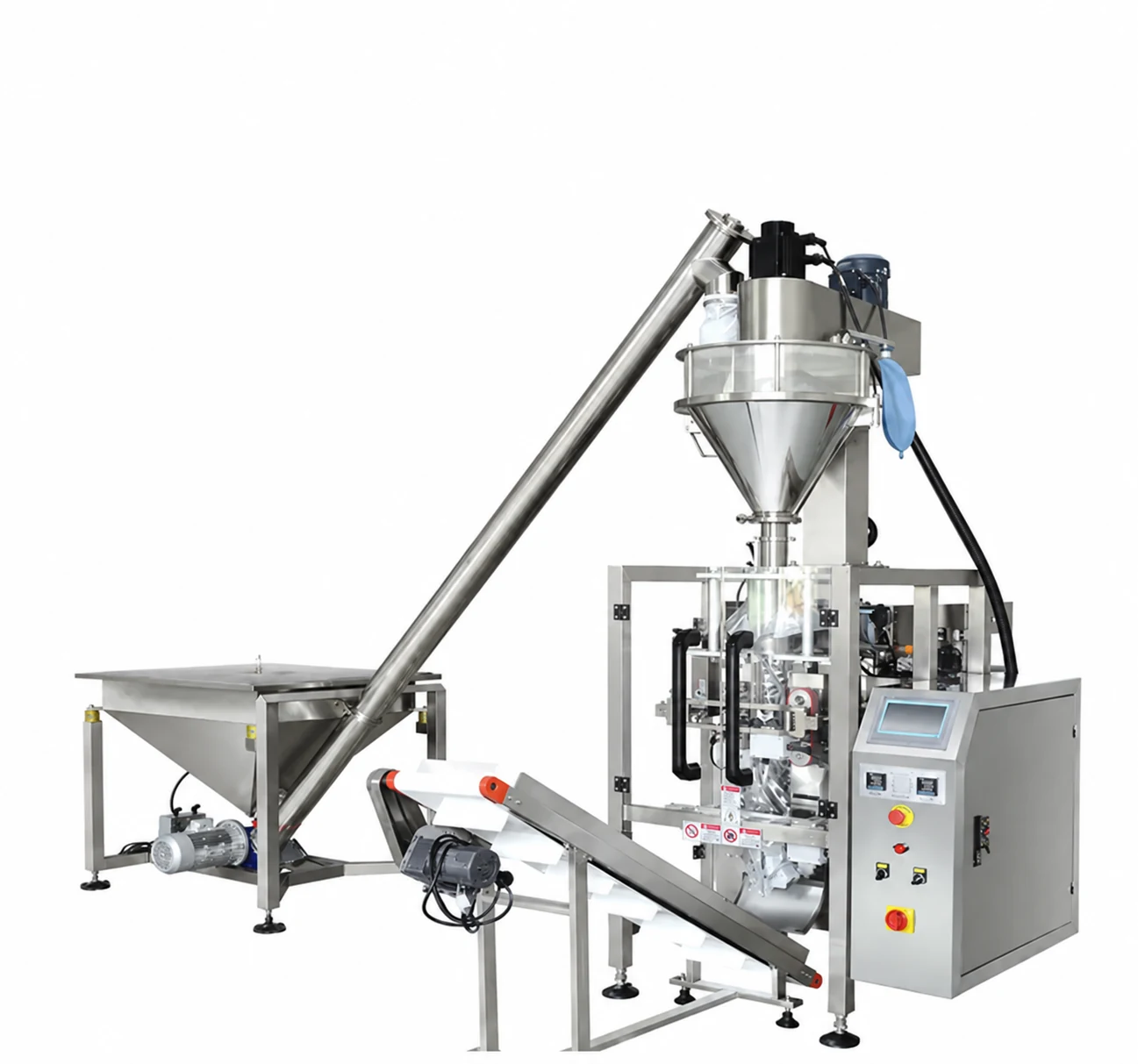
Screw-fed auger dosing and vertical bag-forming packaging system
Screw feeder, auger filler and vertical bagger for powder.

What does your product need from its bag?

The way the product is sold, stored and used sets the portion size, bag material and closure.

Portion bulk product for sale
Set the amount in each retail or single-use pack, then match the filling system and bag size to it.
Protect the contents
A sealed bag keeps loose product together during handling. For products sensitive to moisture or oxygen, the film barrier and seals must suit the storage conditions.
Make the pack easy to display and use
A standing base or window supports shelf presentation. An easy-open feature, zipper or spout changes how the customer opens and uses the pack.
Keep installation parts together
Put the required fasteners or accessories in one bag for storage, delivery and assembly. A defined kit quantity and a way to check it help prevent missing parts.
Cut repeated handling
As orders grow, connect product feeding with filling or counting, bagging and discharge. Include product changes when deciding how much of the process to automate.

Where a flexible bag cannot provide enough support or crush protection, the pack may also need a tray or outer carton.

Bag packaging options for your product

A bag can be formed from a roll of film or supplied ready-made. The product may be filled into it or carried through a wrapper.
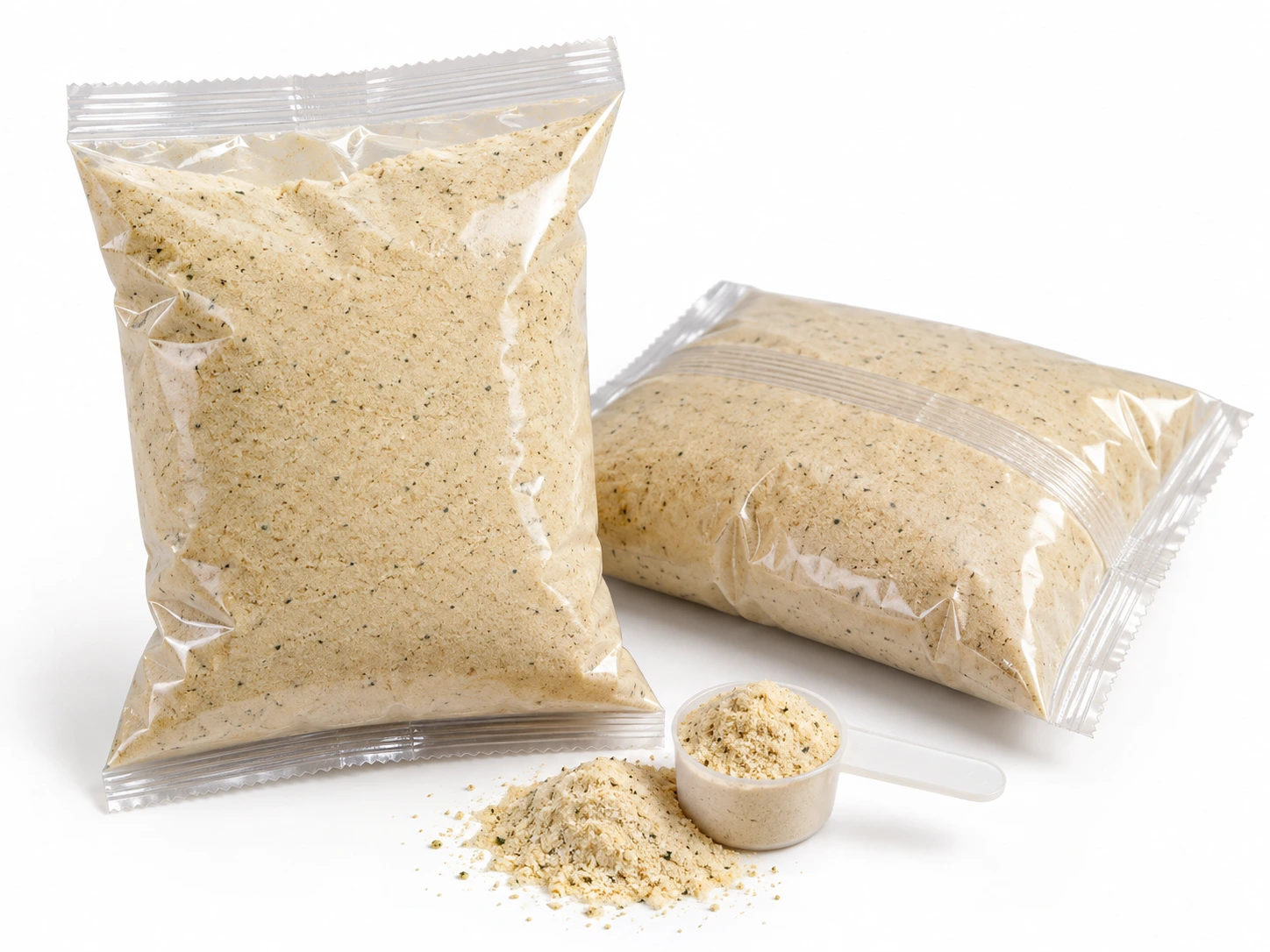
Powder in a pillow bag: transverse end seals and a rear longitudinal seal.
Powder pillow bags, with end seals and a lengthwise seam on the back.
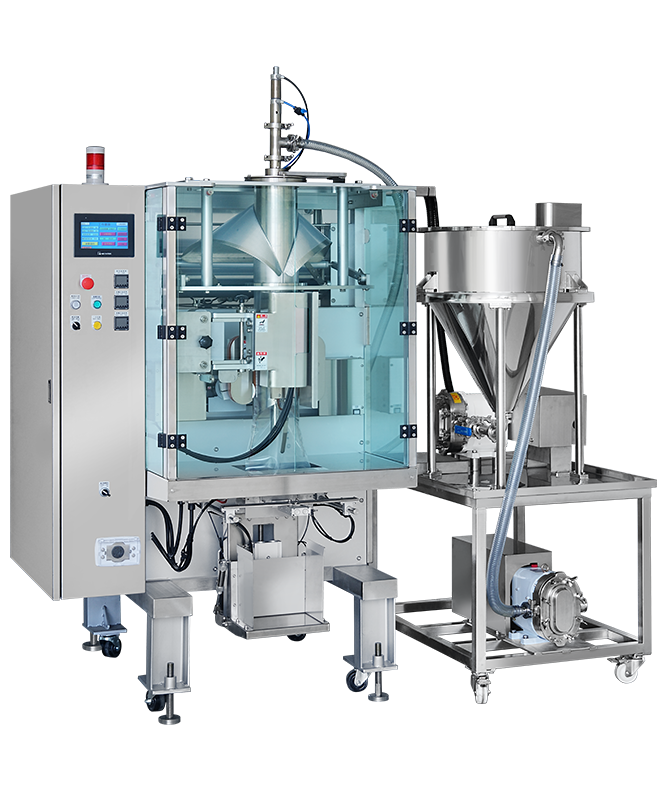
Screw feed, auger dosing and vertical bag forming in a powder configuration.
Screw feeding, auger dosing and vertical bag forming for powder.

Powder and granules in bags (VFFS)

For powder, grains and nuts filled through a tube into a bag made from roll film.

  1. Unwind film
  2. Form the bag
  3. Add the measured portion
  4. Seal and cut

A vertical packing machine forms and seals the bag. We pair it with an auger, weighing system or volumetric filler to measure the product. See the powder packing machines and granule packing machines for the dosing options.

Product trials check how the material feeds and the drop height it can tolerate. A premade pouch may be a better fit when the required base or zipper cannot be made on the selected machine.
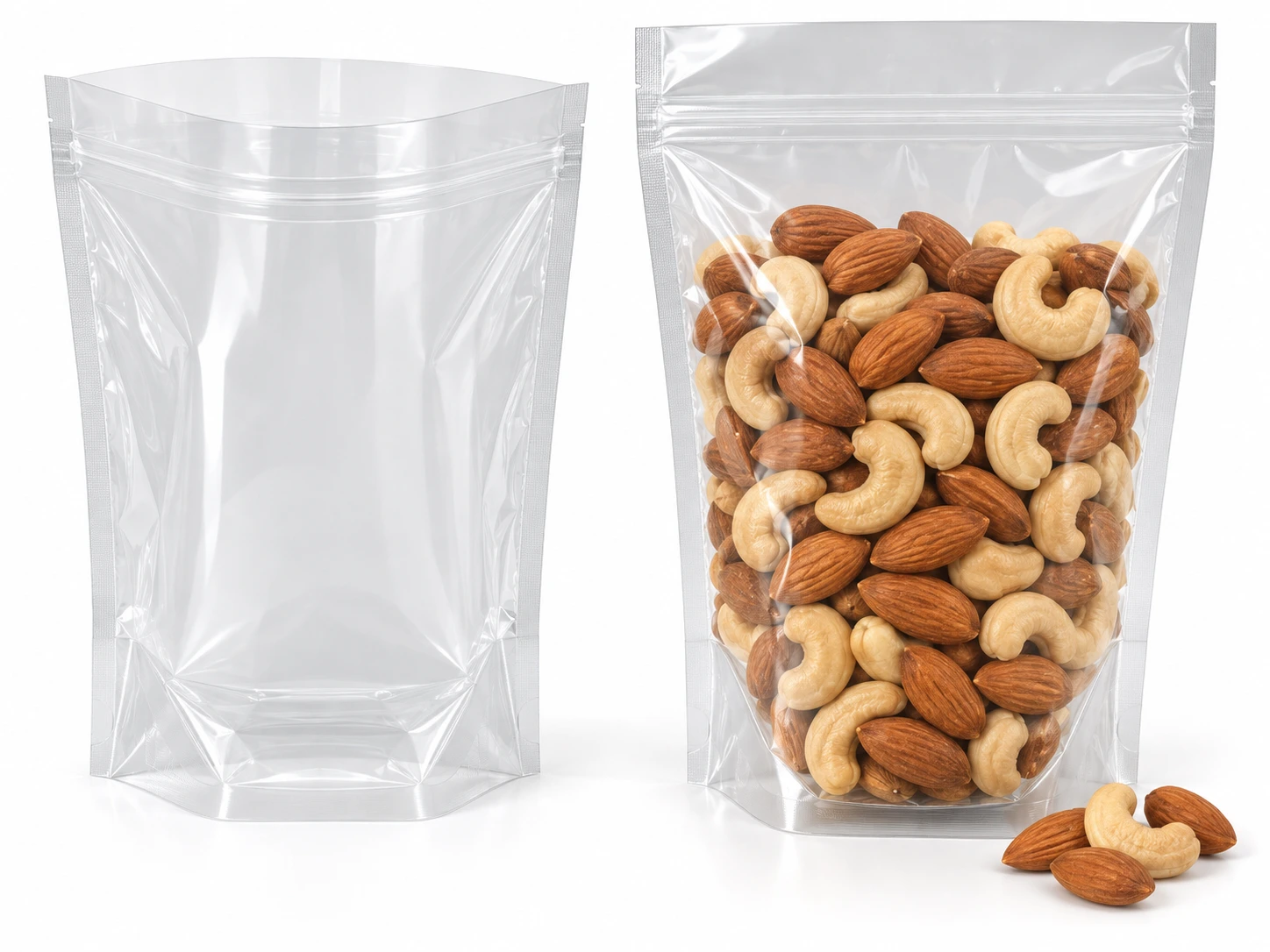
A supplied premade pouch and the filled, top-sealed nuts pack.
An empty premade pouch beside a filled, top-sealed nuts pack.
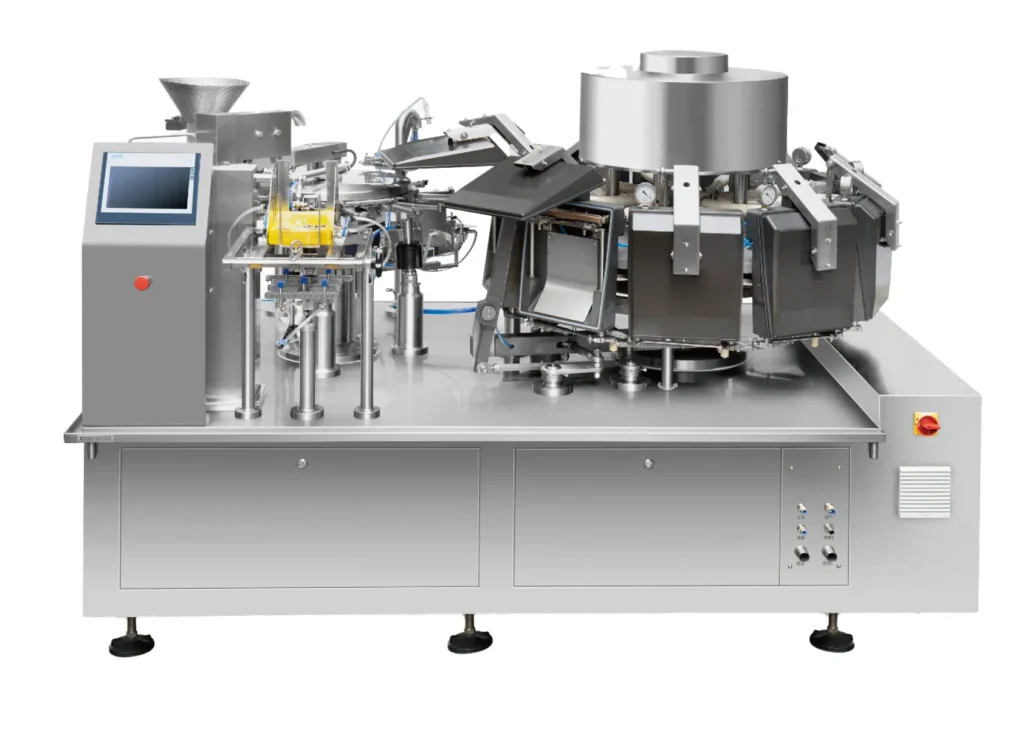
Rotary pouch grippers and filling station inside a guarded premade-pouch packing machine
Rotary premade-pouch machine. The feeding and filling units depend on the product.

Automatic filling of premade pouches

For supplied stand-up, zipper and other premade pouches used for food, powders, sauces or refill products.

  1. Pick up a pouch
  2. Open and support it
  3. Fill
  4. Seal the top

Comwin selects the filling unit for the product and checks that the pouch grippers suit the bag opening and zipper. The filling nozzle and top seal also need enough clear space at the pouch mouth.

A pouch with a fitted spout needs filling and capping equipment matched to that spout.

Explore premade pouch equipment
Closed bags containing a fastener set and a coiled cable assembly
A fastener kit and a cable assembly in closed bags. Each needs a different feeding or loading arrangement.

Automatic counting and bagging for parts kits

For screws, nuts, washers and similar parts packed in a set quantity or as a complete kit.

  1. Feed each component
  2. Count and combine
  3. Bag and seal
  4. Check the kit

Separate feeders supply each type of part. Counters release the required quantities to the bagger, which packs them together. We specify how to check the finished kit and select a bagger for roll film or supplied bags.

Sharp or irregular parts can need different feeders or support during transfer. Cable assemblies need their own support and loading method.
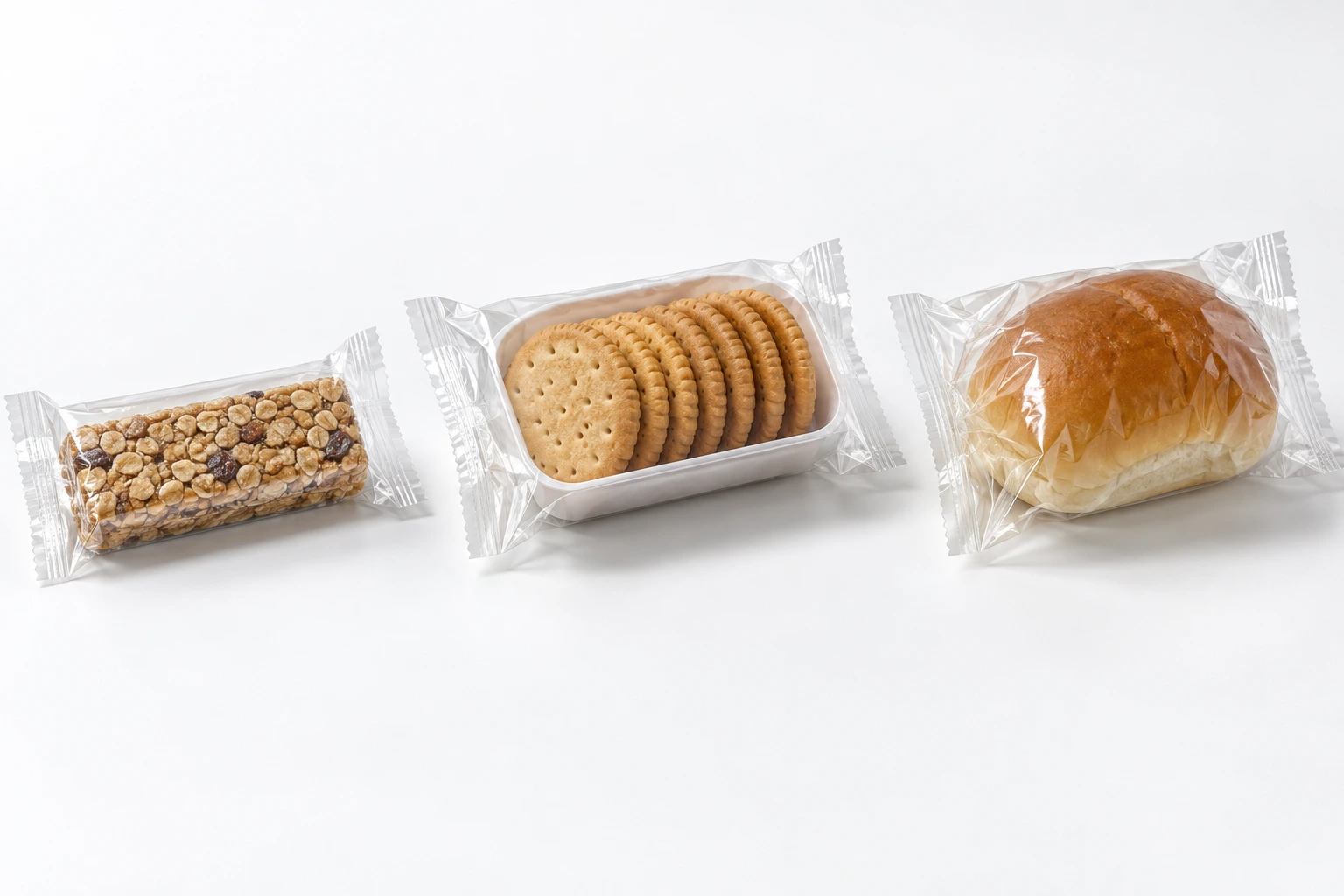
Three solid food products in sealed horizontal pillow wraps
A cereal bar, tray-supported biscuits and bread in sealed pillow wraps.
Real horizontal flow wrapper with long product infeed and overhead film roll
Horizontal flow wrapper with a product infeed, film supply and sealing section.

Horizontal flow wrapping for solid products

For bread, biscuits, bars and other solid products, packed individually or on a tray.

  1. Feed and space products
  2. Wrap with film
  3. Make the lengthwise seal
  4. Seal and cut the ends

The infeed carries each product into a tube formed from the film. The wrapper seals the film lengthwise, then seals and cuts between products. Product spacing and the film's sealing requirements determine the setup.

Fragile or grouped items may need a tray or support as they enter the wrapper. The product must stay clear of the end seals.

Explore horizontal flow wrapping
Sealed film bags containing water, oil and red sauce
Sealed bags of water, oil and sauce. Each product needs its own dose and film specification.
Liquid vertical form-fill-seal machine beside a product tank
Liquid form-fill-seal machine with a product tank and vertical bag-forming section.

Bags and sachets for liquids and sauces

For water, oils and suitable sauces in sealed bags or portion sachets.

  1. Supply the liquid
  2. Form the bag
  3. Measure and fill
  4. Seal and cut

A pump measures the fill and delivers it through a nozzle. The vertical machine shown forms the bag from roll film, fills it and seals it. We select the pump and nozzle for the product's viscosity, particles and temperature.

A solid-product flow wrapper cannot fill these liquids, even when the finished bags look similar.

Explore liquid packing machines

Vacuum bag packaging

Premade-pouch filling with a separate rotary vacuum stage for products that require it.
Premade-pouch filling followed by a separate rotary vacuum stage.
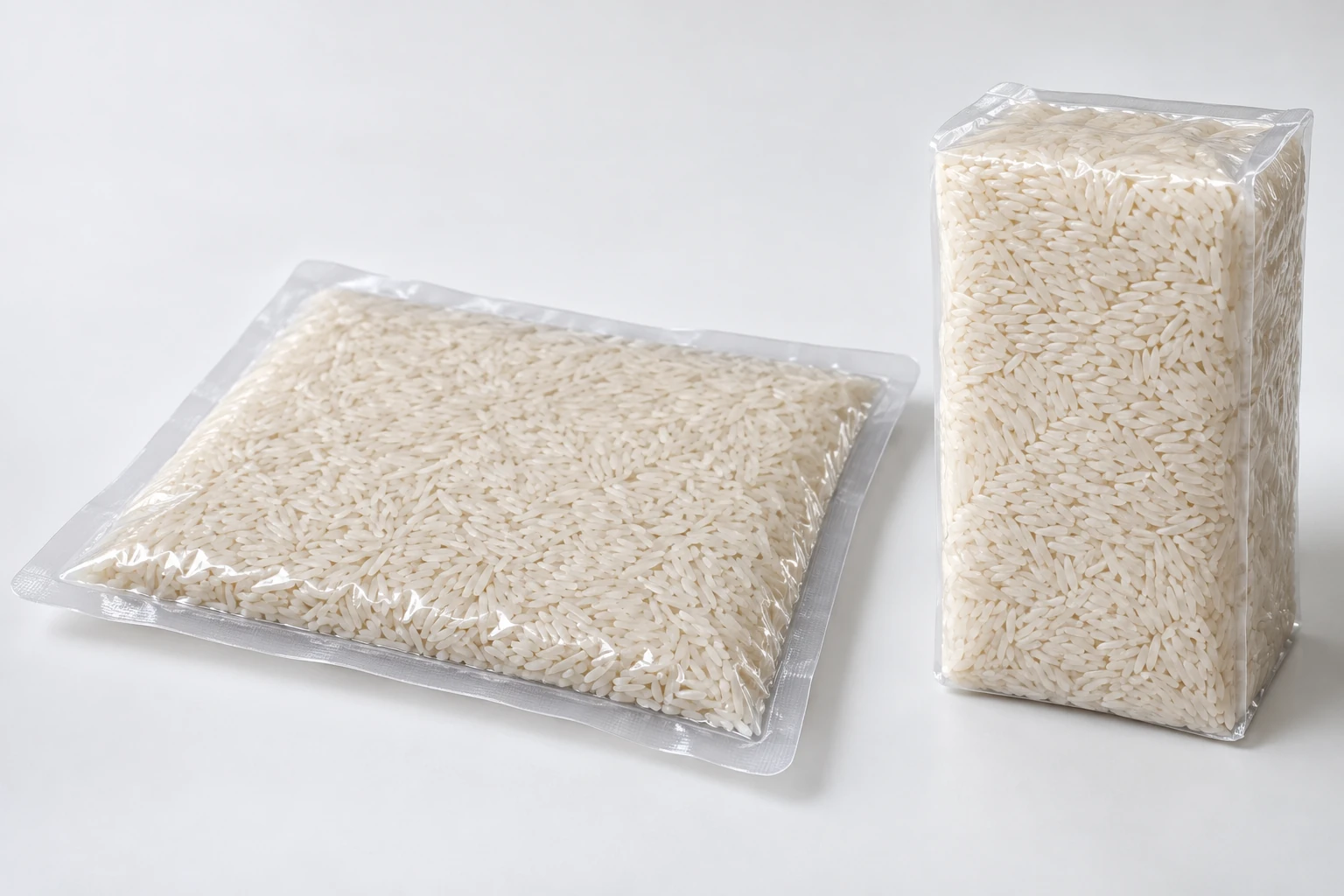
Rice in close-fitting vacuum pouches. Bag shape and loading method are selected separately.
Flat and brick-shaped rice packs after vacuum sealing.

The pouch is filled first, then vacuum-sealed. Comwin coordinates bag handling with the vacuum cycle for products that need it. See vacuum packaging options for the equipment choices.

Examples of products and packs

Product and packEquipment to considerWhat affects the choice
Seasoning powder in retail bagsAuger filler with a vertical baggerPortion size, powder flow and dust. The film and any reseal feature affect the bagging setup.
Nuts in a resealable stand-up pouchWeighing system with a premade-pouch machineBreakage during handling, fill volume and space around the zipper and bag opening.
A fastener kit for assemblySeparate component feeders, counters and a baggerQuantity of each part, sharp edges, how parts feed and how to check the kit.
Bread or tray-supported biscuitsHorizontal flow wrappingProduct size, support, spacing and film-sealing conditions.
Sauce in single-use bagsPump filler with a film baggerDose, viscosity, particles, temperature and film.

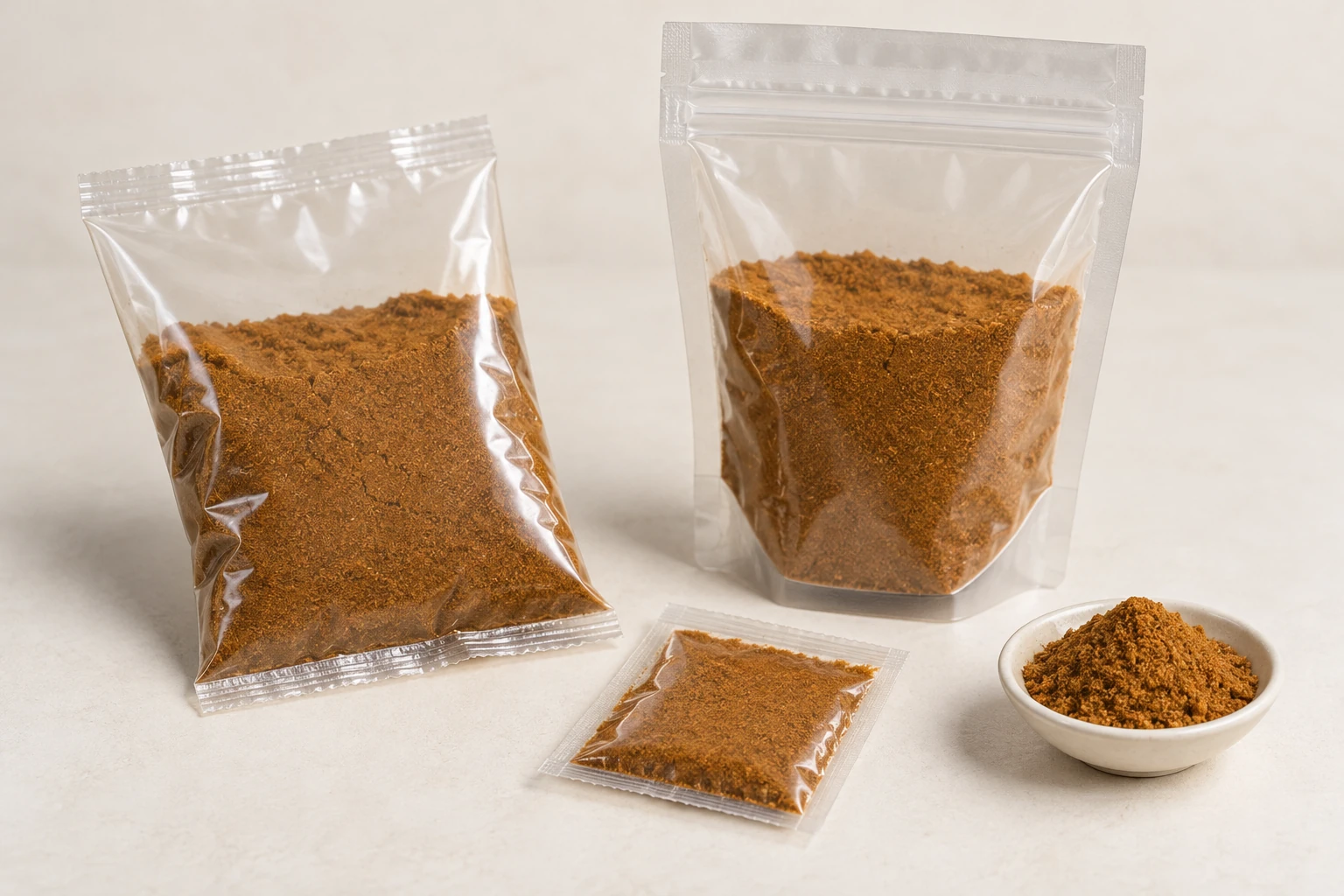
Retail bags for seasoning powder

Powder pillow bags, standing pouches and portion sachets use different packaging arrangements.
Seasoning in a pillow bag, standing pouch and portion sachet. The required format changes the bagging equipment.

A producer selling seasoning in bulk now needs measured retail portions.

  1. Set the portion size
  2. Choose bag features
  3. Match powder filling
  4. Test the filled pack

An auger filler with a vertical bagger can make the retail bag from roll film. If the pack needs a standing base and zipper, we assess the appropriate roll-film equipment or a premade-pouch machine.

The dosing system still needs to suit the recipe. Trials with the powder and film check fill consistency and the sealing area.

Complete fastener kits for assembly
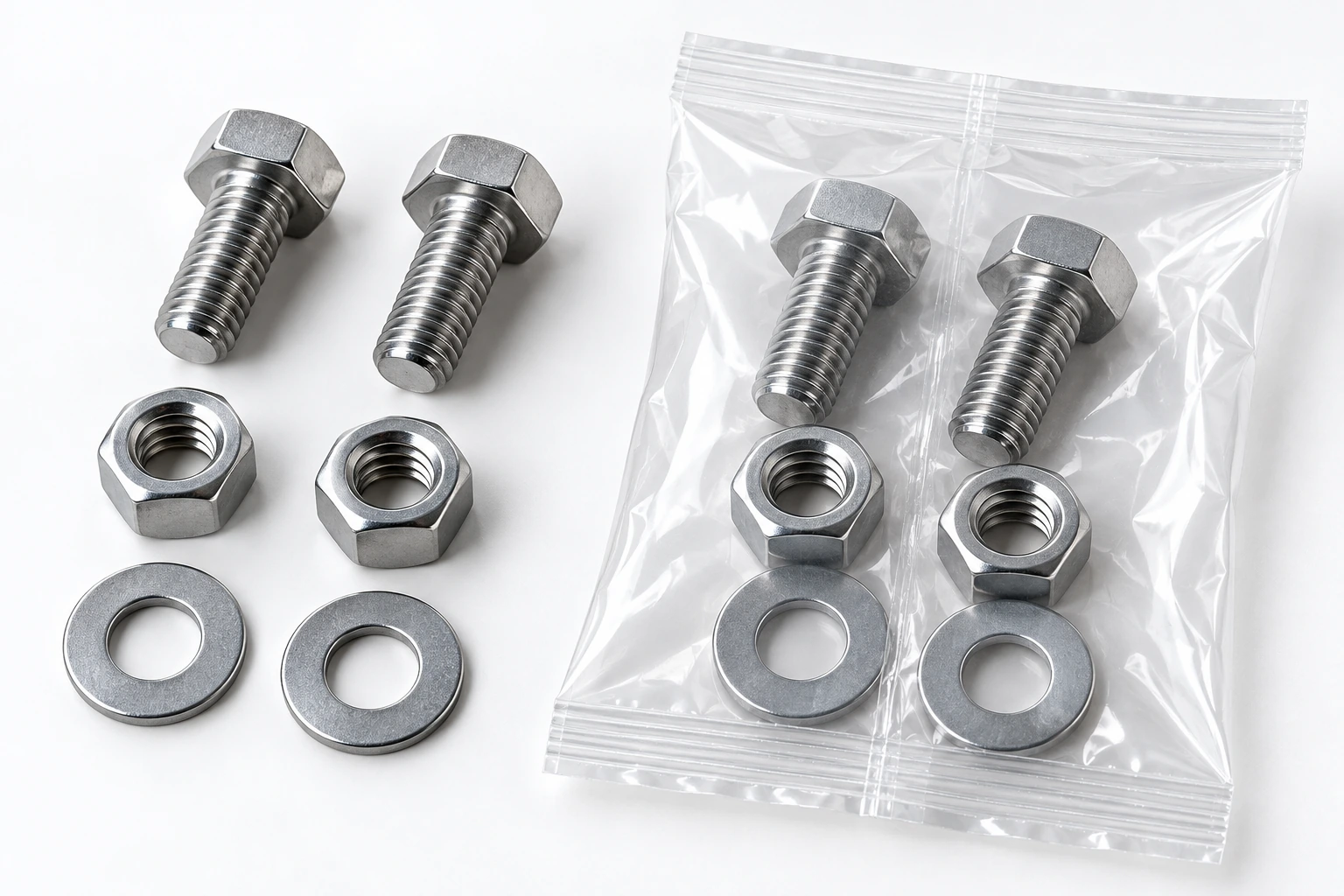
Two bolts, two nuts and two washers beside the same components enclosed in a sealed clear bag
The required fasteners sealed together in one installation kit.

Each bag must contain the screws, nuts and washers needed for one installation.

  1. Define the kit
  2. Feed and count parts
  3. Combine and bag
  4. Check the finished kit

Each part has a required quantity and its own feeding path. Counting is timed with the bagging cycle, and the finished kit is checked for missing or incorrect contents.

When the kit changes, check the feeder, count settings and bag size. Parts that do not feed reliably need a different handling method.

Match automation to the work you need to do

What to planFrequent product changes or smaller batchesRepeated production of the same pack
Feeding and baggingAllow for changes in product loading and machine settings.Keep feeding and discharge in step with the bagger to reach the required output.
Operator tasksList the product preparation, loading, replenishment and finished-pack handling that still need people.Agree which of these tasks the equipment will perform and where operators remain.
ChangeoversInclude adjustments, change parts, cleaning and checks on the first packs.Use repeatable settings and the required tooling, then measure the full changeover time.
Trial runRun the actual product and packaging with the planned operator tasks.Check the contents or dose, seals, appearance and number of acceptable finished packs over the same run.

Comwin can coordinate feeding, bagging and downstream equipment as one process. See the packaging equipment and production-line overview for how the operations can fit together.

What to agree before ordering

ItemWhat to confirm
EquipmentAn itemised list of the bagger, filler, tooling and handling equipment, based on the product and pack you plan to run.
OutputThe number of acceptable finished packs in a trial run, with operator work, refills, rejects and product changes included.
Product or bag changesThe adjustments, format parts and engineering work needed for your product and bag range.
SupportInstallation, training, spare parts and response arrangements. Comwin provides a two-year machine warranty, three years for core components and remote response within 24 hours.
DeliverySamples, acceptance criteria, documents, delivery milestones and the basis for the quoted lead time.

Use our free sample testing to check filling and sealing with your product and packaging.

Bag packaging questions

Can one machine pack different products?

It can, if the feeding and filling system, bag sizes, cleaning needs and sealing materials are compatible. Send the products and packs together so we can identify the adjustments, change parts and limits.

Does a stand-up pouch have to be premade?

No. Suitable equipment can form some stand-up pouches from roll film. The film, base and zipper requirements determine whether to form the pouch on the machine or fill a supplied bag.

What samples should I send?

Send a product sample, a sealed pack and the intended film or empty bag. Include the material specification if you have it. We use them to check the filling, bag handling and sealing.

Can Comwin help with an existing bagger?

Send the manufacturer, model, current setup and the problem you need to solve. We need to check compatibility before confirming parts or support for another maker's machine.

Can liquid go in a pillow-shaped bag?

Yes. It needs a liquid filler and suitable bag-forming and sealing equipment. The horizontal flow wrapper shown above handles solid products; its feeding system does not fill liquid.

What is horizontal pouch form-fill-seal (HFFS)?

HFFS equipment forms flat or stand-up pouches from roll film, then fills and seals them. It can use a liquid pump or another suitable filler. We compare it with vertical bag forming and premade-pouch filling when selecting equipment for the required pack.

What bags can an automatic parts bagger use?

Depending on the machine, bags can be made from film, supplied pre-opened on a roll or fed as individual bags. The component feeding and counting system must run with that bagging cycle.

Tell us what you need to pack

Send photos of the product and finished pack, plus a sample if available. Tell us the output you need. Comwin will recommend the equipment, identify the trials required and define what the quotation includes.

Product

Material, dimensions or particle size, density or viscosity where relevant, temperature and fragility.

Packaging

Finished pack sample, empty bag or film specification, bag sizes and any zipper or spout.

Fill quantity

Target weight, volume or count, the required tolerance and how the product reaches the machine.

Pack quality

Any requirements for seal quality, leakage checks, appearance, vacuum or inspection.

Production

Required output of finished packs, batch sizes, shifts, product changes and current manual work.

Factory and delivery

Available space, utilities, connections to other equipment and delivery destination.