Pack flour, seasoning, ground coffee or nutrition powder in the format your customers use. Comwin supplies the powder feeding, dosing and packing equipment, from a filling unit to an automatic bagging line.
Turn bulk flour or seasoning into measured units for sale or kitchen use. Film forms each bag on the machine; a different bag width needs the appropriate forming parts.
Provide a rigid container for repeated scooping. The opening must accommodate the filling tube and the intended use.
Film barrier and sealing conditions determine protection during storage. Compare other product formats in our bag packaging range.
A steady powder feed makes a more consistent fill
An auger dispenses powder by turning a screw. The same number of turns can deliver a different weight when the powder packs more or less densely around it.
Feed the auger consistently
A screw conveyor or other suitable feeder replenishes the dosing hopper. Level control and appropriate agitation help maintain supply without excessive compaction.
Finish the fill before sealing
The filling tube directs powder into the bag. Discharge timing, headspace and dust capture keep loose powder away from the sealing jaws.
Check the actual net weight
Use filled-pack weight checks and the applicable empty-pack tare. Where needed, feedback adjusts later doses; the feedback arrangement is specified with the filler.
Plan access for recipe changes
Identify how to empty the hopper and remove the screw, tube and other contact parts. A cleaning method must suit every powder sharing that path.
Powder in retail bags and resealable pouches
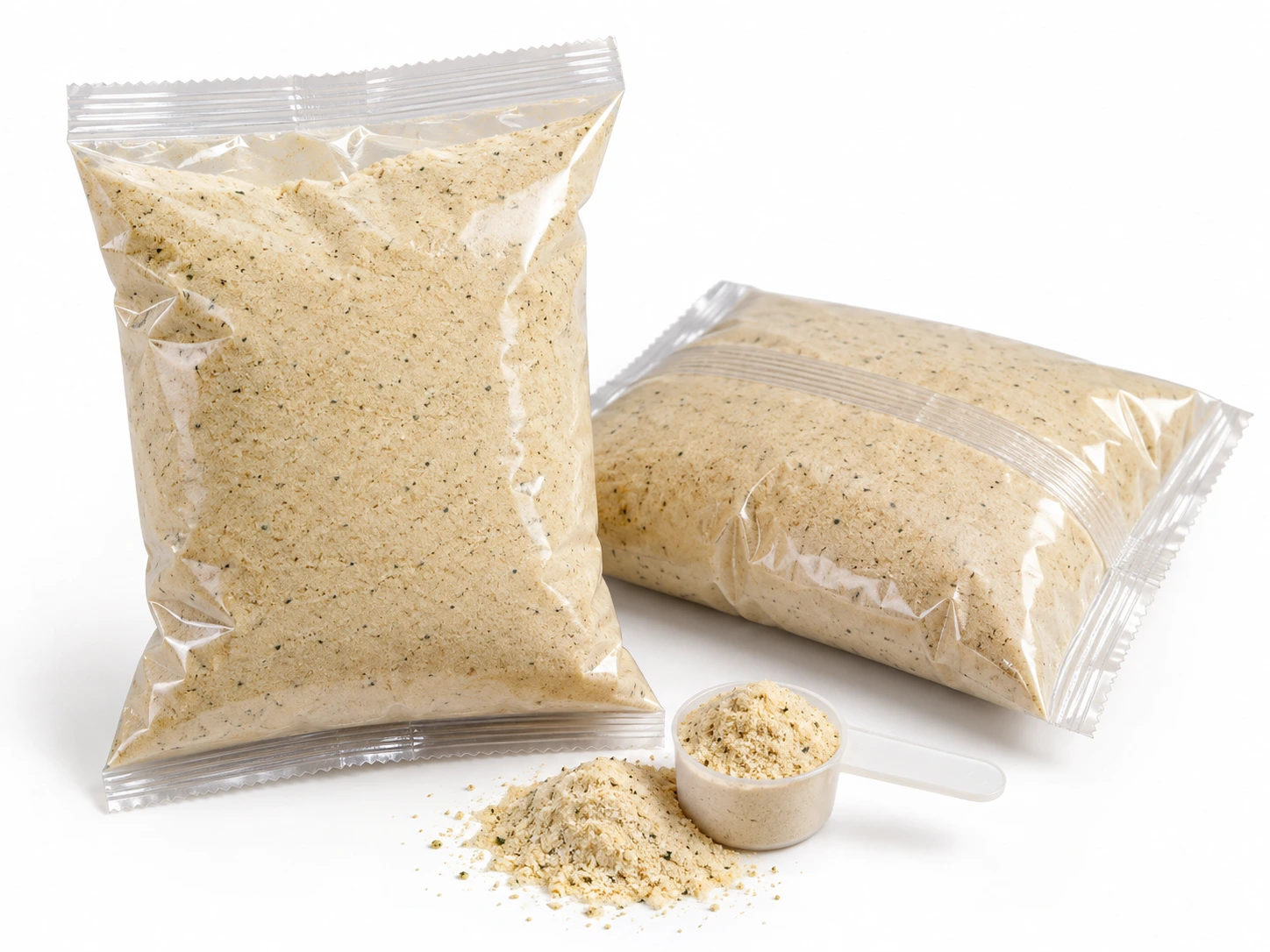
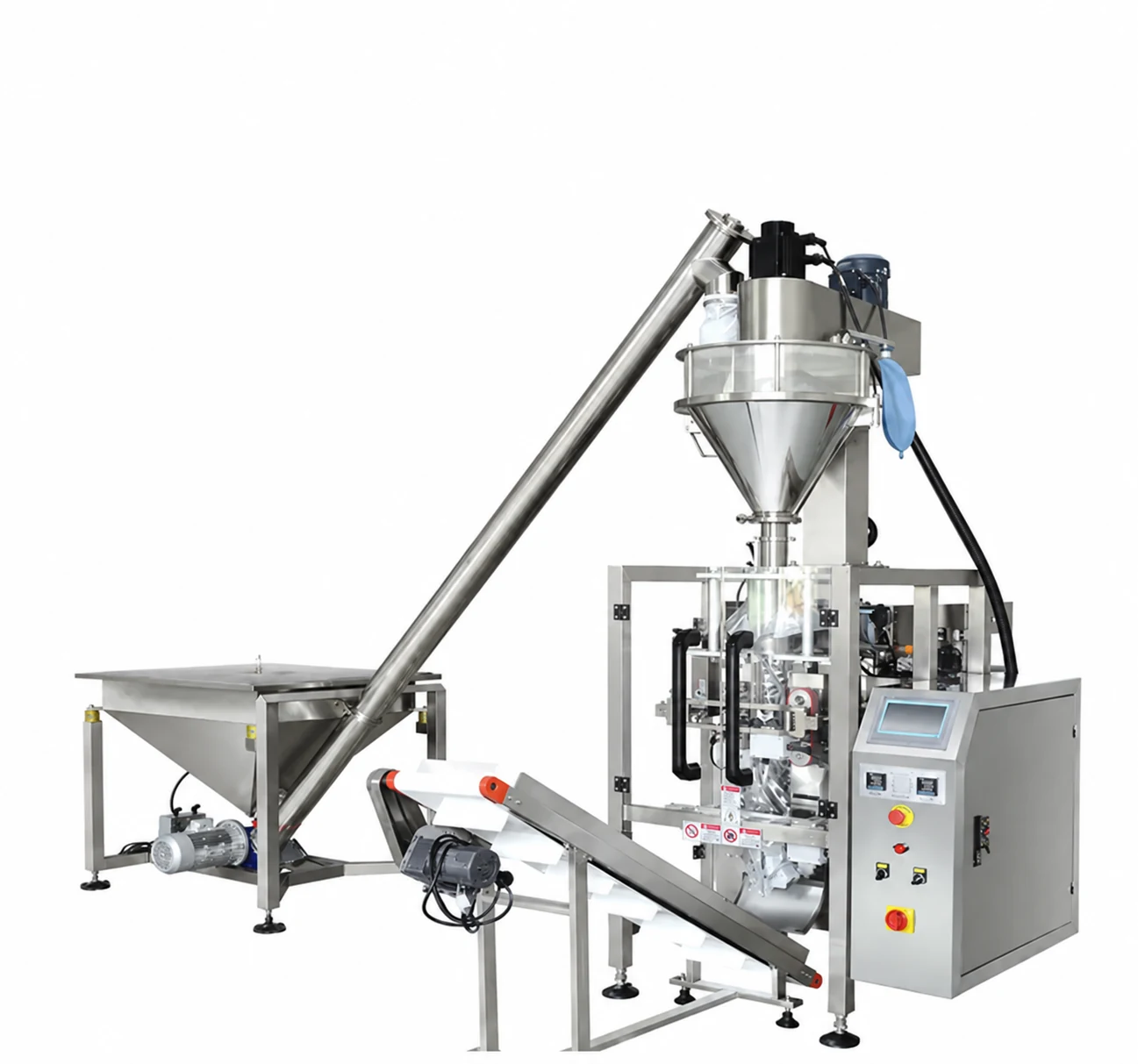
Pillow bags for powder, shown from the front and rear.Shown configuration: screw conveyor, auger dosing unit and vertical bag forming and sealing equipment.
Flour or seasoning in roll-film bags
A measured retail or foodservice pack, made from a reel of film.
Lift powder to the hopper
Dose through the forming tube
Seal the bag
Carry the pack away
The shown system has a floor-level feed hopper, screw conveyor, auger dosing unit, vertical bagger and takeaway conveyor. The screw lifts powder into the dosing hopper; the auger releases a portion through the forming tube. The bagger makes the rear seam and end seals before discharging the finished bag.
Fill weight, powder density and bag width determine the auger and forming parts. A light, aerated powder can need more settling space than its weight suggests.
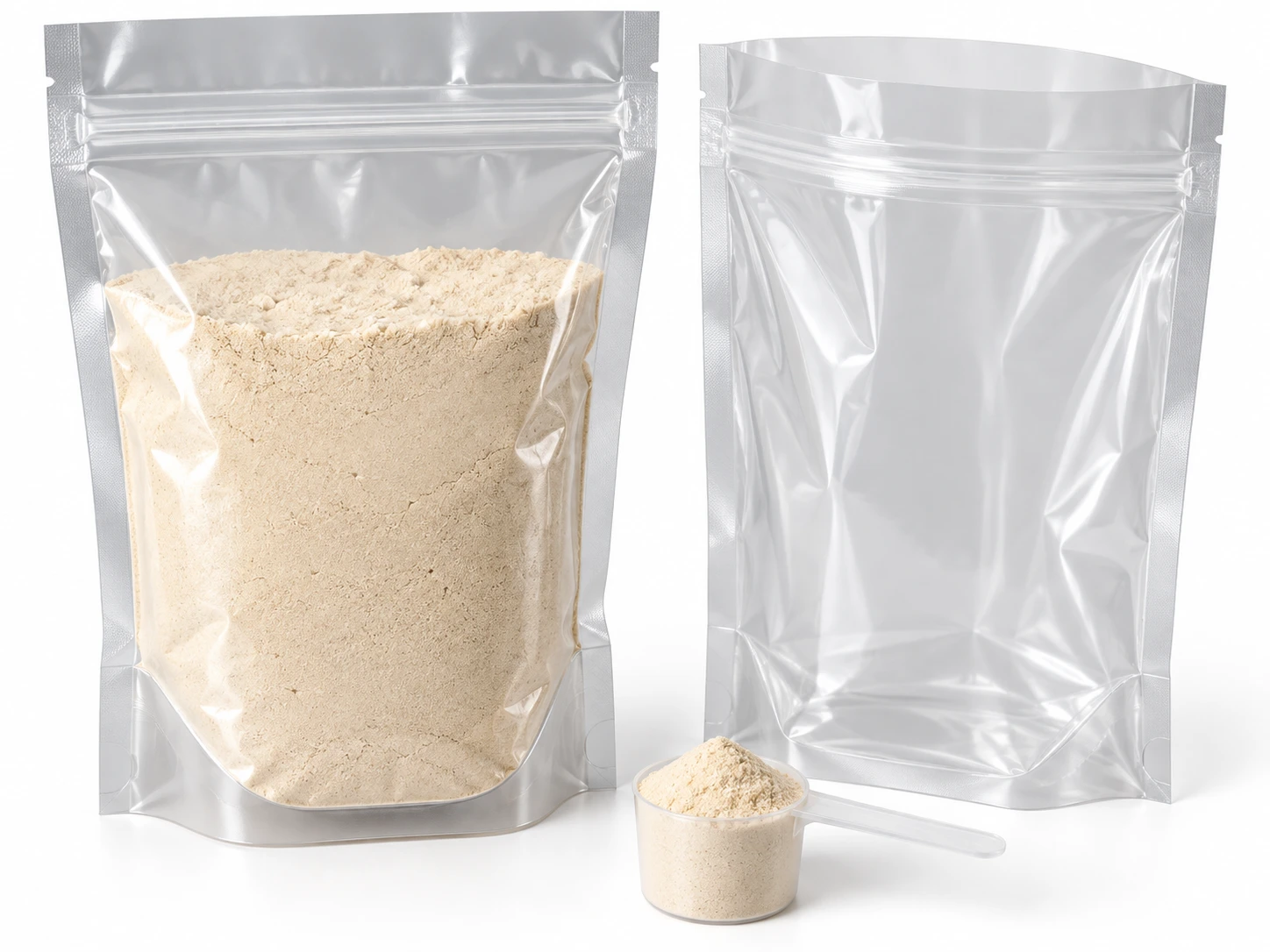
A filled zipper pouch and an empty supplied pouch. The scoop illustrates how the powder is used.Pouch-handling platform. Powder dosing is specified separately for the filling station.
Powder in premade resealable pouches
Coffee or nutrition powder that customers take from the pack over several servings.
Pick and open pouch
Fill with powder
Let the fill settle
Seal the top
A pouch-handling machine takes a supplied bag, opens its mouth and holds it beneath the powder filler. An auger doses into the supported pouch; settling leaves room for the top seal. For a zipper pouch, opening and filling tools must clear the zipper without contaminating it.
The pouch platform and powder filler are selected together. Scoop insertion, if required, adds its own handling operation.
Choose the portion shape and dose together; the pack width limits the space available for filling.
Flat sachets and narrow sticks for individual powder portions.
Single-serving powder packs
Seasoning additions, drink mixes and other powders dispensed one portion at a time.
Feed the dosing units
Fill the formed portions
Seal and separate
A flat sachet gives a broad pack face; a narrow stick makes a slim individual portion. Each needs its own forming and sealing geometry. The dosing screw or other suitable metering unit must deliver the small portion cleanly within the sealing cycle.
More lanes increase the number of packs made per cycle. They also require even product supply and separate checks of the portions and seals from each lane.
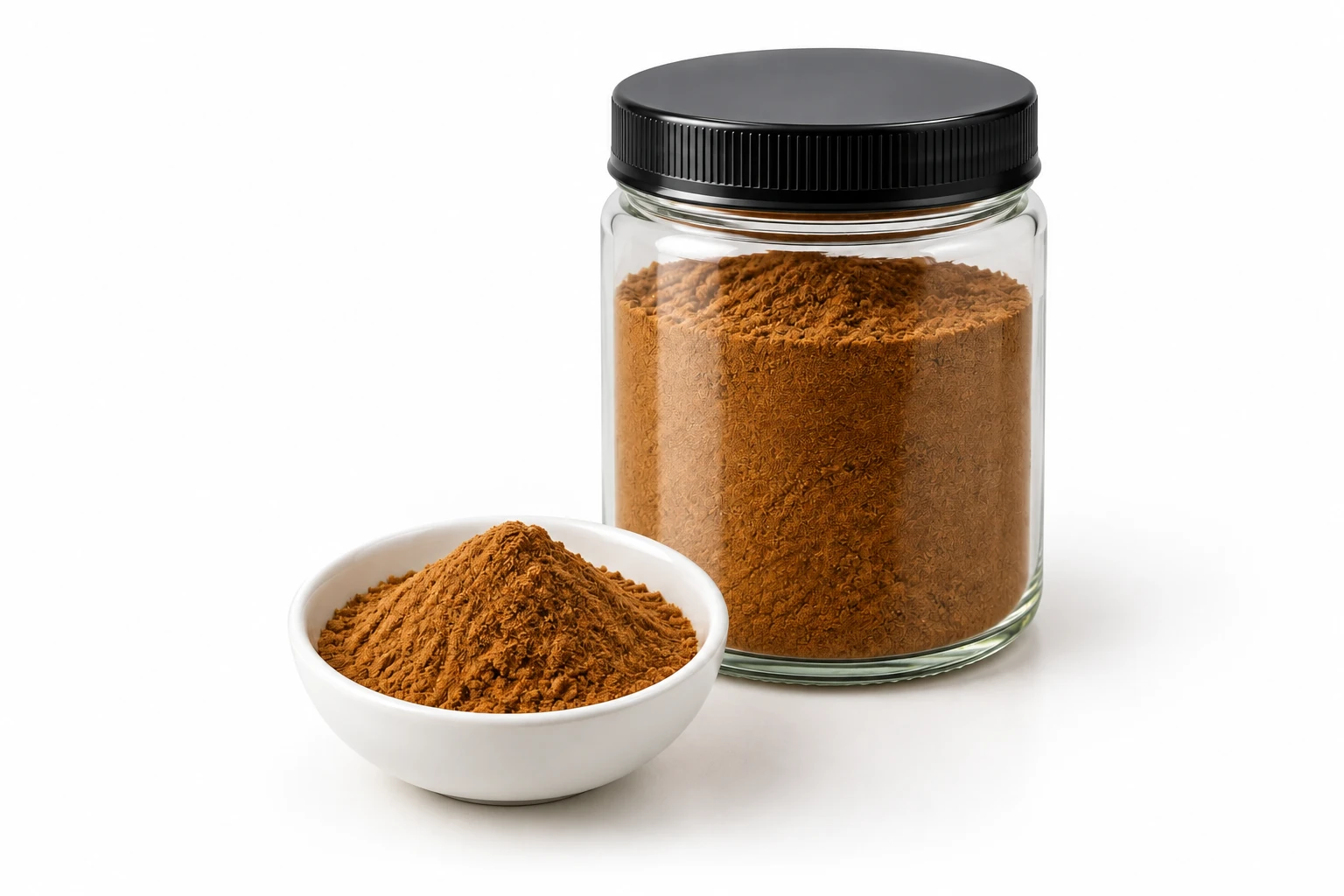
A capped jar for powder used over several servings.
Auger filling with jar handling and closing
A rigid container for nutrition powder or other products used repeatedly.
Position the jar
Fill with powder
Fit the closure
The jar is held beneath an auger filler, then moves to its closing operation. Opening diameter, dust around the neck and the selected cap determine the handling and closure parts.
A bagging system and a jar system use different package handling. If both are required, their filling and closing arrangements are specified separately.
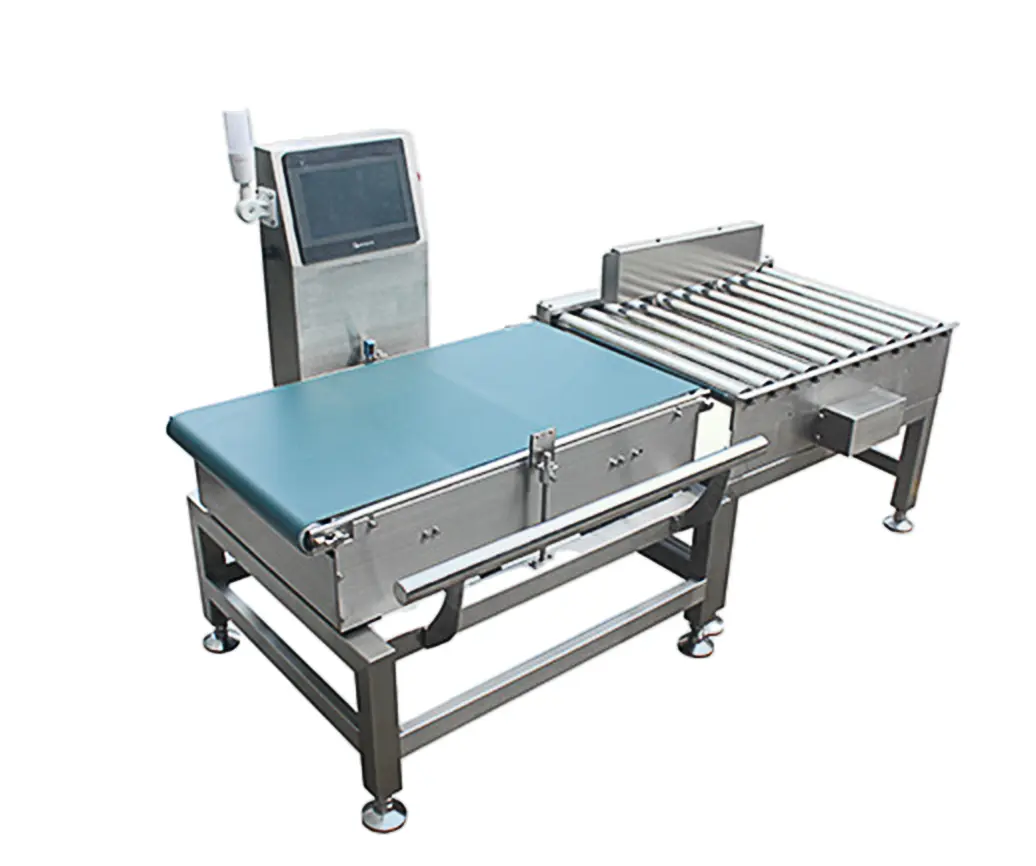
Conveyor weighing equipment for checks after filling. Select the weighing range and pack support for the finished bag.
A refill can change the way powder settles around the auger. Check the first packs after replenishment as well as packs from the middle of the run.
Record the refill point
Compare actual net weights
Inspect headspace and seals
Record the recipe, auger setting, refill point and actual net weights. If weight changes, review hopper supply and dosing settings together. Also check fill height: a pack can reach its target weight while leaving too little clean space for sealing.
A conveyor weigher checks the filled pack downstream. Bag support, belt length and weighing range must suit the pack; automatic dose feedback is a separate function.
Flour and ground coffee need different filling trials
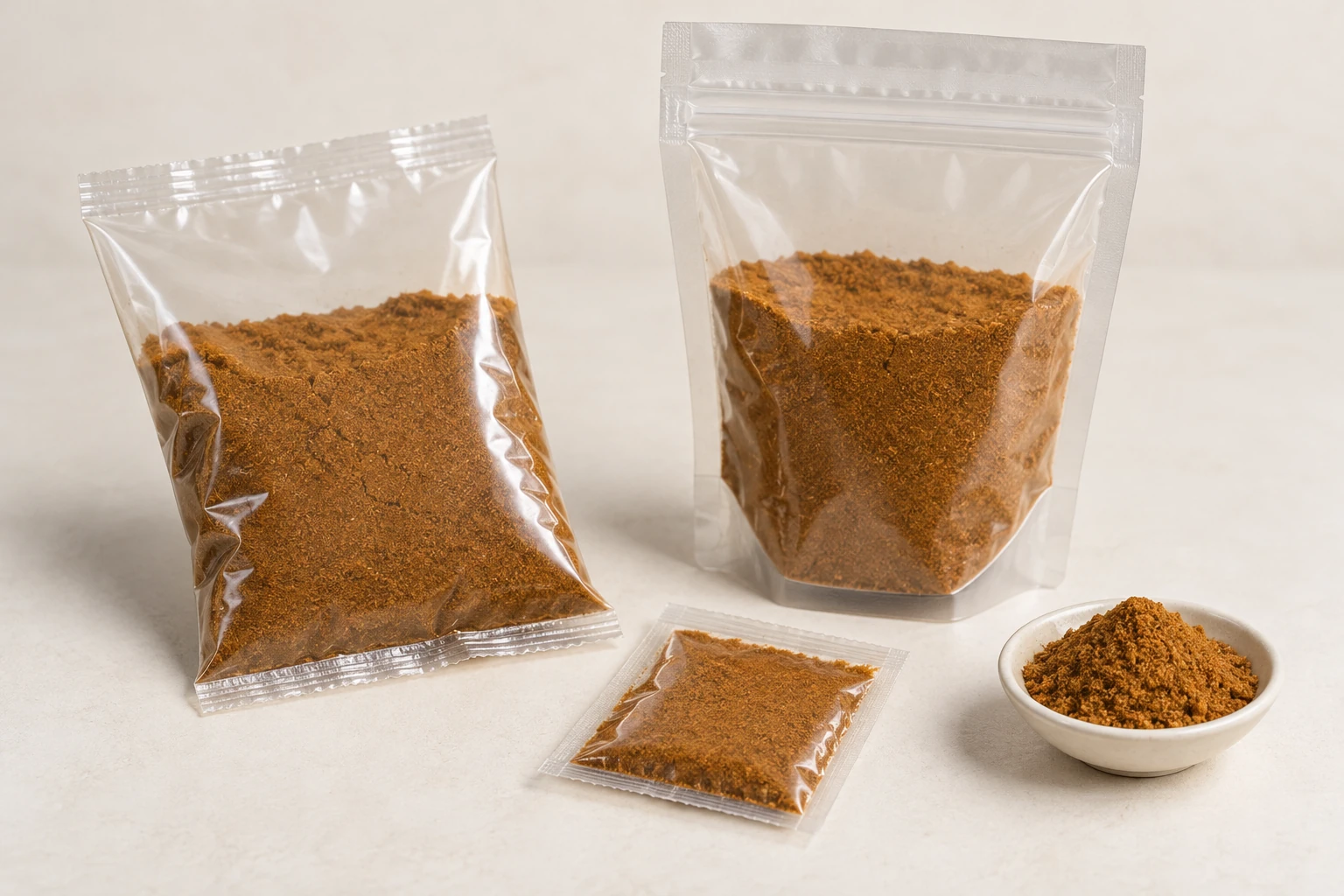
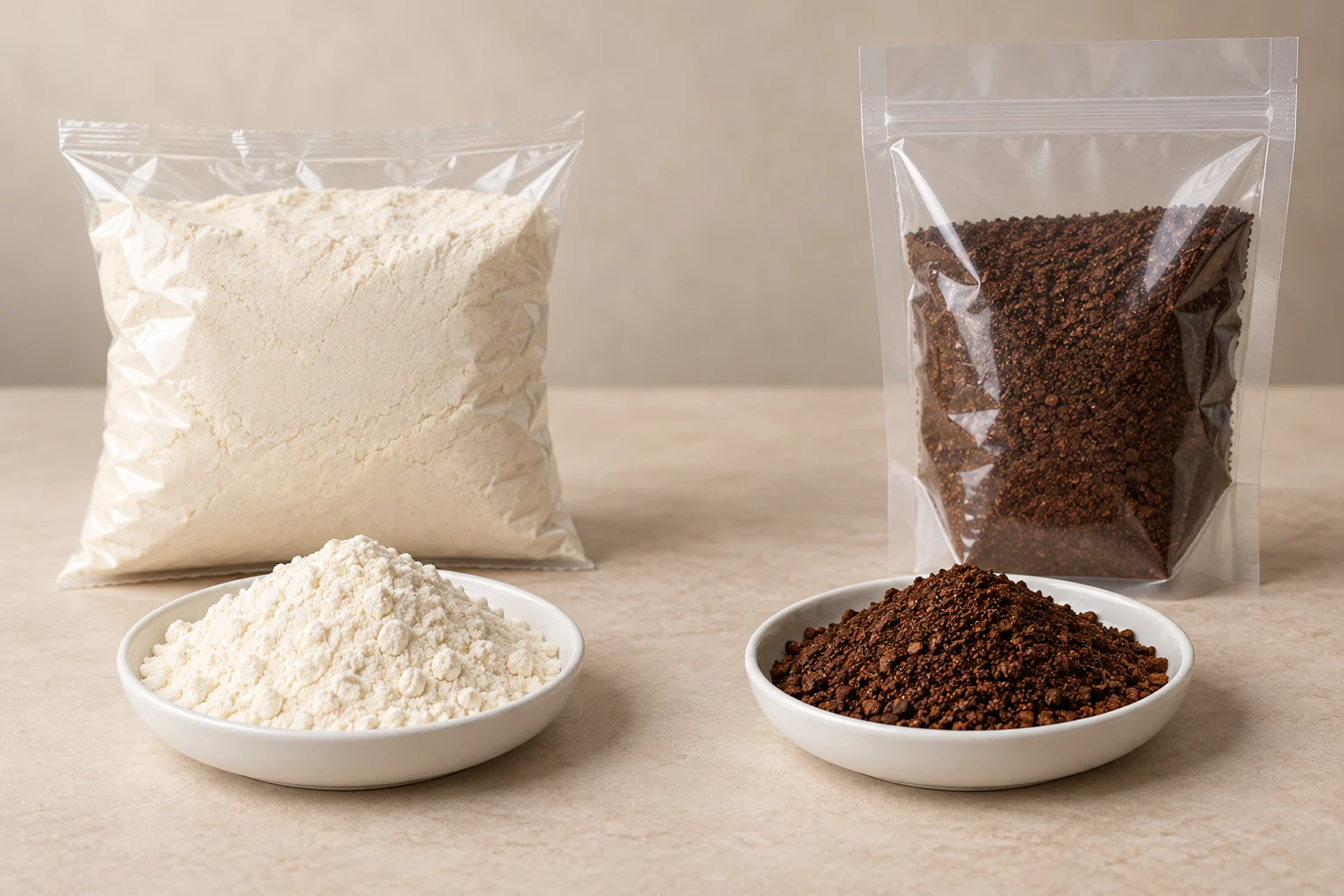
Fine flour and coarser ground coffee, with examples of their packaging formats.
Particle size, settling and movement through the hopper determine the screw geometry and filling time for each powder.
Run each product
Compare feed and filled packs
Define parts and cleaning
Run representative material from each product. Compare delivery through the screw, actual fill weights and the space occupied in the pack. Coffee freshness requirements also affect the packaging specification; flour dust makes the filling and sealing area a different concern.
For a shared machine, list the settings and contact parts for each recipe, then establish the emptying and cleaning sequence. Confirm the first packs after every change.
Reduce powder loss and keep it out of the seal
What happens in production
What we change
What the trial checks
Dust reaches the sealing area
Adjust the filling tube, discharge timing and dust capture where required. Leave time for the fill to finish.
Filled-pack weight and seal integrity in the same run.
Powder traps air and fills too much bag space
Allow appropriate settling and choose a bag volume that accommodates the fill.
Fill height before sealing and the settled pack shape.
Keep powder supply and bagging moving together
Production arrangement
Work that remains with the operator
Changes between products or packs
Output and quality checks
Operator-presented bags or jars
Position each pack, start the fill and move it to closing; replenish and clean the filler.
Filling parts and settings; package support; cleaning.
Complete packs per shift, including handling and closure.
Automatic filling and bagging
Replenish powder and packaging, monitor packing, respond to stops and clean contact parts.
Bag tooling, auger parts where needed and first-pack checks.
Weight, clean seals and sustained output with normal refills.
Connected packing operations
Supply materials and manage changeovers across linked equipment.
Coordinate product flow, transfers and cleaning between units.
The combined output of the connected equipment.
If operators spend most of their time refilling hoppers or removing packs, address those tasks in the packing-line layout. Compare sustained finished-pack output with normal replenishment and cleaning included.
From your sample to a working specification
Comwin turns your product and finished-pack requirements into an equipment recommendation. The proposal identifies the filling parts, package handling and output to be checked with your materials.
What we work through
What you receive
Product and packaging review
A recommended equipment arrangement, with the required format parts and product-contact components.
Sample trial
Agreed checks for fill quantity, pack condition and sustained output, with the test material and operating conditions identified.
Installation and changeovers
A layout, utilities and access requirements, plus the parts and cleaning work involved in changing products.
Comwin provides a two-year machine warranty and a three-year warranty for core components, with remote response within 24 hours. Training, parts and installation responsibilities are set out in the proposal.
Powder packing questions
Can one machine pack several powders?
Yes, where their flow, dose and packaging fit the selected equipment. Some changes use stored settings; others need a different auger, forming part or cleaning procedure. We assess the stated product range together.
Is an auger filler a complete packing machine?
It meters the powder. An automatic powder packing machine also needs the appropriate bag forming or pouch opening, filling coordination and sealing. A standalone filler can be used with operator-presented packs.
Can a retail-bag machine also make small sachets?
That depends on the forming parts, usable bag dimensions and filling range. Small portions can need a dedicated dosing and sealing arrangement, even when the powder is unchanged.
What determines a powder packing machine quotation?
The powder, fill weight, bag or container, required output and cleaning needs establish the equipment list. Send those details so the quotation covers the intended filling and closing process.
Can you assess industrial powders or large sacks?
Send the product and sack specifications for an equipment assessment, including product handling, supported filling, closing and any special process requirements.
Tell us about your powder and pack
Send a product photo or sample, the intended pack, fill weight and required output. We will recommend a filling and packing arrangement and identify any samples needed to confirm it.
Powder
Recipe or product sample; flow, dust, sticking and density changes.
Pack
Film or supplied pouch, or jar and cap; sizes and a finished sample.
Fill
Net weight, tolerance and the range of portions to run.
Quality
Seal requirements, cleaning and any inspection needed.
Production
Packs per minute or shift, batch sizes and product changes.
Factory
Available space and height, utilities, existing equipment and destination.