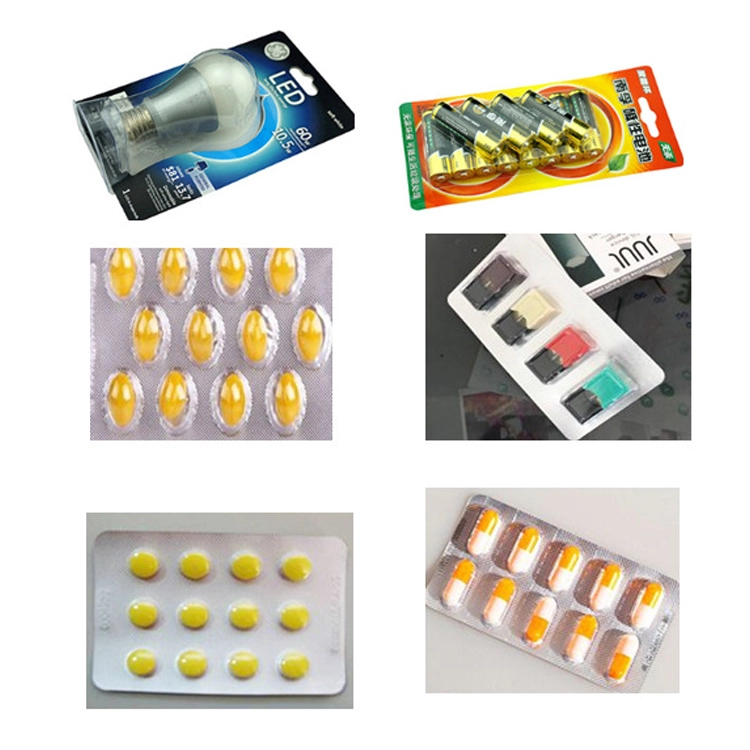
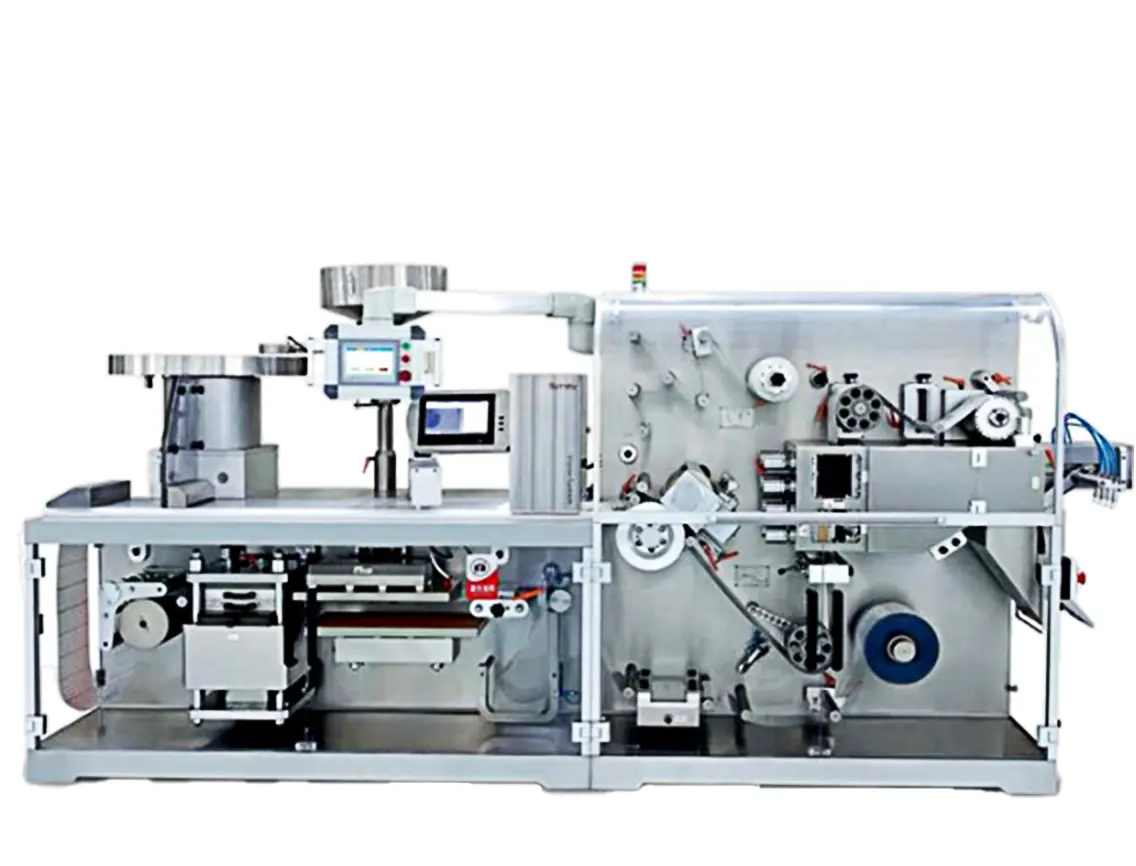
A capsule packing machine receives finished capsules and places them into the selling pack. Choose counting and bottling for a defined number per bottle, or blister packing for a selected unit-dose layout. Capsule filling, including a 100-hole filling plate, puts formulation into empty shells and is a separate upstream task.
Indicative budgets are USD 5,000 to 15,000 for a semi-automatic counting and bottle-loading station, USD 25,000 to 80,000 for a basic counting and capping combination, and USD 20,000 to 60,000 for the selected blister-machine scope. Comwin matches capsule presentation, inspection and closure to your product and pack.

Choose the finished-capsule pack and its counting or feeding task
| Packing route | Starting condition | Equipment and handling | When to change |
|---|---|---|---|
| Capsule counting and bottle filling | A defined number of finished capsules per bottle. | Separate and count capsules, position the bottle, dispense and apply the selected closure. | Specify any desiccant, induction seal, label or inspection as separate included operations. |
| Capsule blister forming and sealing | One capsule per selected cavity or another defined layout. | Form the material, feed capsules, perform agreed checking, seal and cut. | Hard capsules, softgels and cold-form materials need their own feeding and format assessment. |
| Blister-to-carton integration | Selected primary packs need a retail carton and required inserts. | Buffer and group acceptable blister cards, load the required leaflet and carton, then close and check. | Define cards per carton, missing-item rejection and any additional traceability scope. |
Counting into a bottle meters finished pieces. A liquid filler meters fluid, and an empty-shell filler manufactures the capsule dose. Compare equipment on the actual task. For blister packs, choose cavity dimensions, material and feeding from the product; a machine label does not establish every hard-capsule or softgel combination.
Handling problems and the configuration response
| Problem | Likely mechanism to assess | Configuration and check |
|---|---|---|
| Count errors or blocked channels | Dust, overlapping capsules or surface adhesion disrupt presentation. | Match separation, channel geometry and dust handling; challenge the agreed counting and rejection functions. |
| Softgels stick or deform | Surface, temperature and contact pressure differ from hard capsules. | Trial representative softgels with gentle feeding and suitable contact surfaces. |
| Empty cavities or product across a seal | Feeding position and cavity geometry are unsuitable. | Match the feed and forming tools and check missing, doubled or misplaced pieces. |
| Compliance is reduced to a machine label | The product, market, materials and validation scope have not been defined. | Specify the user requirements, documentation, checks and validation responsibilities in the project scope. |
Match the route to your production situation
| Product and situation | Finished pack | Starting equipment | What changes the choice |
|---|---|---|---|
| An illustrative 60-capsule bottle. | A filled bottle with the specified closure. | Counting and bottling. | Confirm bottle opening and capsule presentation before selecting channel arrangement. |
| Softgels sold in retail blister cards. | Sealed, correctly filled cavities. | Matched blister forming, feeding and sealing. | A successful hard-capsule trial does not establish softgel compatibility. |
| An illustrative two-card carton with a leaflet. | Blister cards in a closed retail carton. | Blister-to-carton integration. | Check card count, leaflet presence and the rejection response. |
Counting sixty capsules into a bottle
Use the actual capsule and bottle neck. Select separation, counting and discharge before adding the required cap or seal. Define challenges for an absent or misplaced bottle and for any agreed count-verification function.
Softgels in a blister card
Trial the intended surface and temperature condition with the selected cavity layout. Examine feeding marks, missed cavities and product caught at the seal. The relevant test is a completed card, followed by its agreed integrity checks.
Capsule packing machine price and scope
These October 2026 indicative budgets are for new equipment supplied from China, one defined product and one selected format. They are early planning ranges; a formal quotation follows the agreed configuration. Freight, tax, overseas installation, site work, upstream production, extra formats and unlisted gas generation or options are excluded. Commercial terms are agreed in the quotation. The stated ranges cover ordinary non-aseptic oral-product packaging. Specialized containment, sterile processing and validation scope are priced separately.
| Equipment scope | Indicative budget | Included scope | Separately specified |
|---|---|---|---|
| Semi-automatic capsule counting and bottle loading | USD 5,000 to 15,000 | Operator bottle presentation and matched counting/dispensing. | Capping, induction sealing, labeling and capsule manufacture. |
| Basic capsule counting and capping combination | USD 25,000 to 80,000 | Basic bottle feed, counting and capping for one format. | Full traceability, complex inspection/validation and capsule manufacture. |
| Capsule blister machine | USD 20,000 to 60,000 | Selected material/layout, forming, matched feed, sealing and cutting. | Cartoning; cold-form upgrades or specialized softgel feeding require scope confirmation. |
| Blister-to-carton project group | USD 80,000 to 500,000 or more | Selected blister process, transfer and cartoning; projects can exceed USD 500,000. | Unlisted traceability, case packing, palletizing and special validation scope. |
For an illustrative 60 capsules per bottle at twenty acceptable bottles per minute, the counting demand is 1,200 capsules per minute. This is an input requirement; it makes no claim about counting accuracy or a selected model.
Where automation helps the workload
Keep operator bottle presentation for suitable short runs; coordinate counting, closure and inspection for a defined repeated bottle or blister order.
| Dimension | Manual or simpler arrangement | Added automation and decision |
|---|---|---|
| Production pattern | An illustrative 60-capsule bottle. | Keep operator bottle presentation for suitable short runs; coordinate counting, closure and inspection for a defined repeated bottle or blister order. |
| Operator steps | List presentation, product preparation, loading and collection for the actual route. | Automate the limiting step; replenishment, checking and collection remain explicit in the scope. |
| Changeover and cleaning | Finished hard capsules or softgels, dimensions, surface and temperature condition. Check the actual format mix. | Agree guides, tooling, contact-part changes and cleaning access for the product change. |
| Acceptance | Match separation, channel geometry and dust handling; challenge the agreed counting and rejection functions. | Measure acceptable finished packs, operator involvement, stop/restart behaviour and agreed rejection checks. |
Add downstream packing where the order needs it
For a retail carton, group the selected number of acceptable blister cards and include the leaflet when the product requires it. Match the loader, card buffer and carton closing. Bottle cartons require their own bottle-loading tools. Case packing and traceability interfaces are additional scope items.

Compare proposals on the same packing task
| Dimension | Evidence to compare | How Comwin responds |
|---|---|---|
| Budget and scope | Use the same product, pack, handling and included operations. | We separate the packing machine, matched feeding and any downstream equipment in the proposal. |
| Output | Compare real capsule feeding, counting or cavity placement and the agreed fault/rejection challenges. | We match the required acceptable output and interfaces to the actual product and material. |
| Product and format fit | Match separation, channel geometry and dust handling; challenge the agreed counting and rejection functions. | We select the suitable configuration and any needed handling or format changes from your samples. |
| Support | Identify training, contact parts, spares, warranty and response responsibilities. | We define the support scope alongside the selected equipment. |
| Delivery | Confirm samples, format, drawings, documents and acceptance milestones. | We agree the project plan after its configuration and responsibilities are settled. |
Questions buyers ask before selecting equipment
Is capsule filling the same as capsule packing?
For empty shells, filling equipment puts the formulation into the capsule. For finished capsules, select counting/bottling or blister packaging. A 100-hole filling plate does not produce the complete consumer pack.
Can hard capsules and softgels share a system?
For both products, trial surface adhesion, temperature and pressure sensitivity as well as dimensions. The proposal should identify a common configuration or the required feed/format changes.
What is included in a bottle line?
For the selected product, list bottle presentation, counting, any required insert, closure, seal, label and checks. Include only the operations actually quoted.
Does the blister price include a cartoner?
If cartons are required, specify cards per box, inserts, transfers and checking. The blister-machine reference covers primary packing; the connected cartoning scope is priced separately.
Does the equipment guarantee regulatory approval?
For your product and market, agree configuration, documents and validation responsibilities. Equipment supply alone cannot guarantee product or regulatory approval.
Send the product and finished pack for a matched proposal
Send product and finished-pack photos or samples, the required fill or count, and acceptable output per shift. We can then identify the starting configuration. For the detailed proposal, include:
- Finished hard capsules or softgels, dimensions, surface and temperature condition.
- Bottle or blister, actual materials and intended market/pack requirements.
- Capsules per bottle, cavities per card and cards per carton; tolerances.
- Cap, liner or blister cover, integrity checks and cleaning requirements.
- Batch mix, acceptable pack demand, inspection/rejection and traceability scope.
- User requirements, documentation/validation scope, layout and site utilities.
We return the recommended operations and reasons, included equipment and options, product/material trial requirements and a quotation for the defined scope.
Blister and cartoning lines. Tablet strip packing guide.
Comwin provides free sample testing and can arrange a visit to an actual factory to see equipment running. Whole-machine warranty is two years, with three years for core components and remote response within 24 hours.
Arrange free sample testing. Send your packing requirements.