Cartoning Machine: Loading Direction, Closures and Price
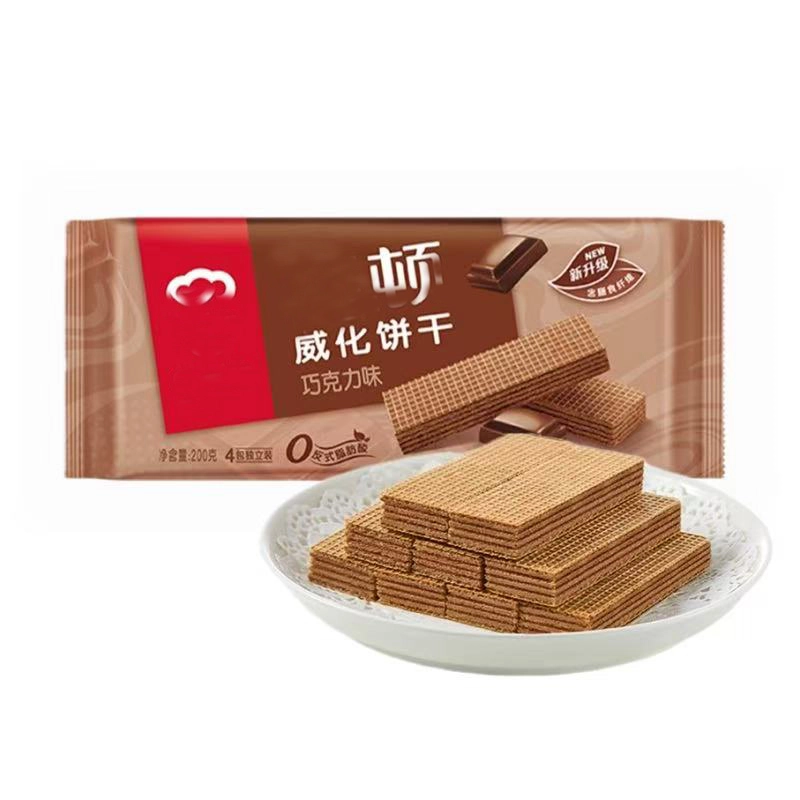
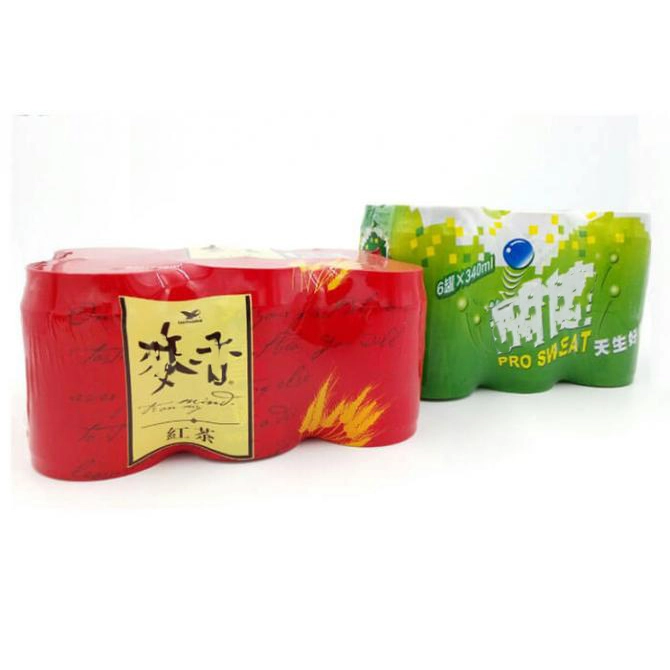
A retail carton machine opens or forms a folding carton, loads its contents and closes the box. The loading direction depends on the carton opening and the stability of the product group. A wrapped bar can slide through an end opening; a supported set may be placed through a broad top opening.For initial planning, an assisted cartoning station is around US$10,000–25,000, while an automatic retail cartoner has a US$25,000–80,000 reference range. Those prices cover different amounts of opening, loading and closing work, defined below. Printing blanks and packing shipping cases are separate operations.Prepared products and their retail cartons (packaging illustration).
Choose the loading direction from the product
End loading works well when the product or pack can enter as a stable group with its edges aligned. Top loading gives access to a wider opening when the product needs support or an insert, with extra room needed for that motion. Ask to see both loading and carton closing with the same sample.
Loading direction
Product and carton requirement
What can prevent a clean transfer
End loading
Product or supported group fits through the open carton end and can be pushed into position.
Loose wrapper tails, an unstable stack or insufficient mouth clearance.
Top loading
A broad open top allows placement into the carton, tray or prepared insert.
An unprepared base, insert that shifts, or contents projecting into the lid-closing space.
End insertion and placement through an open top (packaging illustration). The carton opening and contents determine the loading path.
The illustration shows two possible pack structures. The loading route follows the carton opening, product stability and available support.
Then decide who loads it
Manual and automatic loading are separate choices from direction. For variable sets, an operator can arrange contents in a prepared carton while equipment closes it. For a repeat group arriving in a fixed position, a controlled pusher or pick-and-place arrangement can perform the transfer. The operator’s task and the machine action should meet at a clearly defined product position.
Match carton blanks and closing tools
An end-load cartoner opens a pre-glued sleeve and keeps the loading end clear for product insertion. Depending on the carton and machine sequence, the opposite, non-loading end may be closed first. After insertion, the machine completes the required end closures. A flat die-cut blank needs forming work. Top loading can start with an erected carton or formed tray. Specify that starting condition for the retail cartoning equipment.
Closure
Work and consumables
What to inspect
Tuck closure
Folding and tucking tools must suit the flap and lock design. No glue system is required for that closure.
Flaps enter cleanly, remain engaged and allow the intended opening experience.
Glue closure
Adhesive supply/application, refill access and flap compression matched to the board and adhesive.
Glue reaches the intended area, flaps stay aligned and the closed pack withstands its required handling.
Neither closure is universally stronger or cheaper. Use the actual board, creases and opening requirement. Measure the whole packed product, including cap, wrapper seams and projecting parts; these can catch on the carton mouth.
Separate loading direction from machine motion
Intermittent-motion equipment pauses at defined points in its cycle. Continuous-motion equipment coordinates loading and closing while the carton moves through the process. Either discussion begins with how the product and carton are presented.Compare the available loading opportunity, feed synchronization and response to interrupted product supply. Loading direction and motion are separate choices, so a horizontal cartoner should not be assumed to have one particular speed or motion system. The selected machine must demonstrate the required output with the actual pack.
What changes between three packing jobs?
Short orders with contents arranged by hand
An assisted station is a useful starting point when operators can build the group efficiently and carton opening or closing is the repetitive burden. Define whether the operator receives a ready-open carton or must open and support it. A station that only closes a loaded carton performs less work than one that also prepares the empty carton.
A steady stream of six sachets per carton
The infeed needs to make a six-pack group before the carton is loaded. A group-release step coordinates with the next available carton. The agreed control arrangement should hold or divert an incomplete group, and specify what happens when the primary packer briefly stops.
Illustrative six-pack sequence
Receive acceptable sachets → form a six-pack group → confirm the group is ready → load the prepared carton → close and discharge
A bottle, insert and leaflet in one box
Lay out the order in which those items must enter. The insert may need preparation before the bottle is placed; the leaflet must end up in a usable position. Manual insertion, dedicated feeders and automatic verification have different scopes. If an insert or leaflet is essential to the saleable pack, its handling must appear in the equipment and labour plan.
Look for damage at loading and closure
Observed result
Area to investigate
Crushed product or torn primary wrap
Loading support, carton-mouth clearance, guide contact and insertion timing
Missing item or leaflet
Group formation, component supply and the agreed release/reject controls
Carton springs open or flaps are misaligned
Blank squareness, creases, tuck tools or glue placement and closing conditions
Frequent stops after changing pack size
Format parts, guide settings, product position and the first-run setup procedure
Compare complete loaded cartons after normal handling, including restart and format-change samples. This reveals faults that an empty-carton demonstration can miss.
Carton machine price by included operations
These October 2026 planning references use one wrapped bar end-loaded into one approved pre-glued retail carton, with one specified tuck or glue closure. The assisted scope leaves opening and loading to the operator; the automatic scope includes the defined infeed and insertion. New China-supplied equipment and first-format tooling are assumed. This is a budget task, not a model output claim.
Budget reference
Reference work scope
Operator and additional work
US$10,000 to 25,000
Assisted cartoning station
Carton support/positioning and the specified closing equipment for a manually loaded retail carton, with tools for one approved format
Operators open the supplied pre-glued sleeves, prepare the non-loading end if the agreed sequence requires it, insert the product through the open loading end and transfer the carton for the remaining closures.
US$25,000 to 80,000
Automatic retail cartoner
Approved blank handling/opening or forming, specified product infeed and loading, closing and discharge, with the included format tools identified
Operators replenish the agreed supplies. Multiple product feeds, insert/leaflet handling and additional inspection are itemized for the actual pack.
The price difference should correspond to the same wrapped bar and carton: who opens the sleeve, prepares the non-loading end where required, inserts the bar, completes the closures and transfers the closed box. A six-sachet collator, insert former or leaflet feeder adds work beyond the simple bar example. Show those items separately so the core cartoner price remains comparable.Carton printing and die cutting, primary packaging, shipping-case packing and palletizing are separate. Extra format sets, freight, taxes and overseas installation also need explicit treatment. A firm price follows the product, carton and agreed run requirement.
Use carton demand to size the whole sequence
At 120 sachets per minute and six per carton, the illustrative demand is 20 complete cartons per minute. The grouping section still receives 120 sachets per minute. A cartoner rated above 20 cartons per minute will not resolve a group that is regularly incomplete or presented in the wrong position.Agree how short stops, replenishment and rejected groups affect the connection. For a boxed-product packaging line, include downstream discharge and stop signals in that same discussion. Each operation needs an agreed start and finish.
Review the complete pack with Comwin
Send the carton blank and all its contents, including any insert or leaflet, plus a video of how the products arrive and required cartons per shift. Comwin can recommend the loading path and closing arrangement, identify format parts, and show which handling steps remain with operators.Comwin offers free sample testing, a two-year machine warranty and a three-year warranty for core components. Remote support responds within 24 hours; installation and training are specified in the proposal.
Table of Contents
Our packaging categories
We offer a complete range of packaging solutions.
Bagged packaging
Vacuum packaging
Blister Packaging
Filling/Bottling
Heat Shrink
Case packaging
Get Your Quote
What delivery did you have in mind? Fill in the details below to receive a quote.