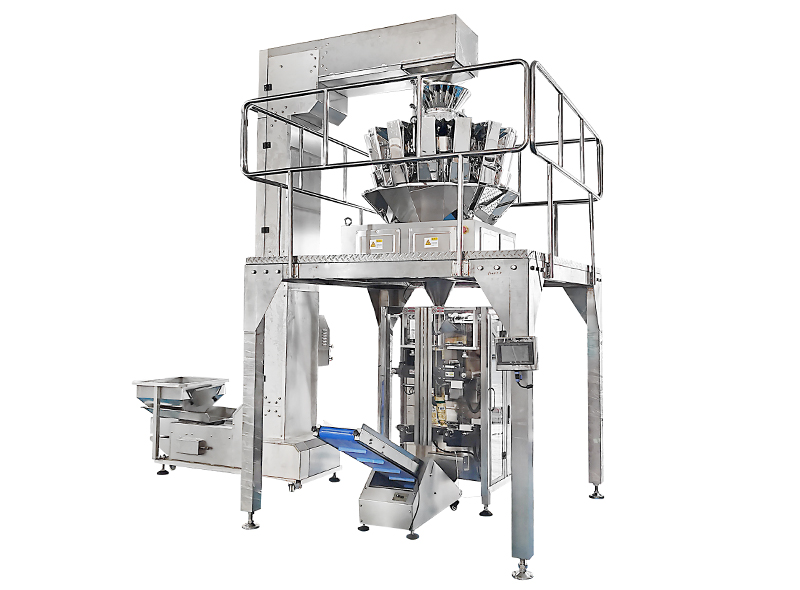
For short screws, bolts or nuts sold by net weight, use a matched feeder and weigher over a compatible vertical bagger. Check sharp ends and support the dose as it drops. For packs sold by count, separate overlapping parts before counting. A hardware kit needs each component counted and verified before the bag is sealed.
Indicative prices are US$15,000–45,000 for a defined feed, weigh and VFFS configuration, US$12,000–35,000 for single-part counting and bagging and US$30,000–80,000 for a defined multi-feeder kit system. Confirm the actual part family, bag and verification scope.
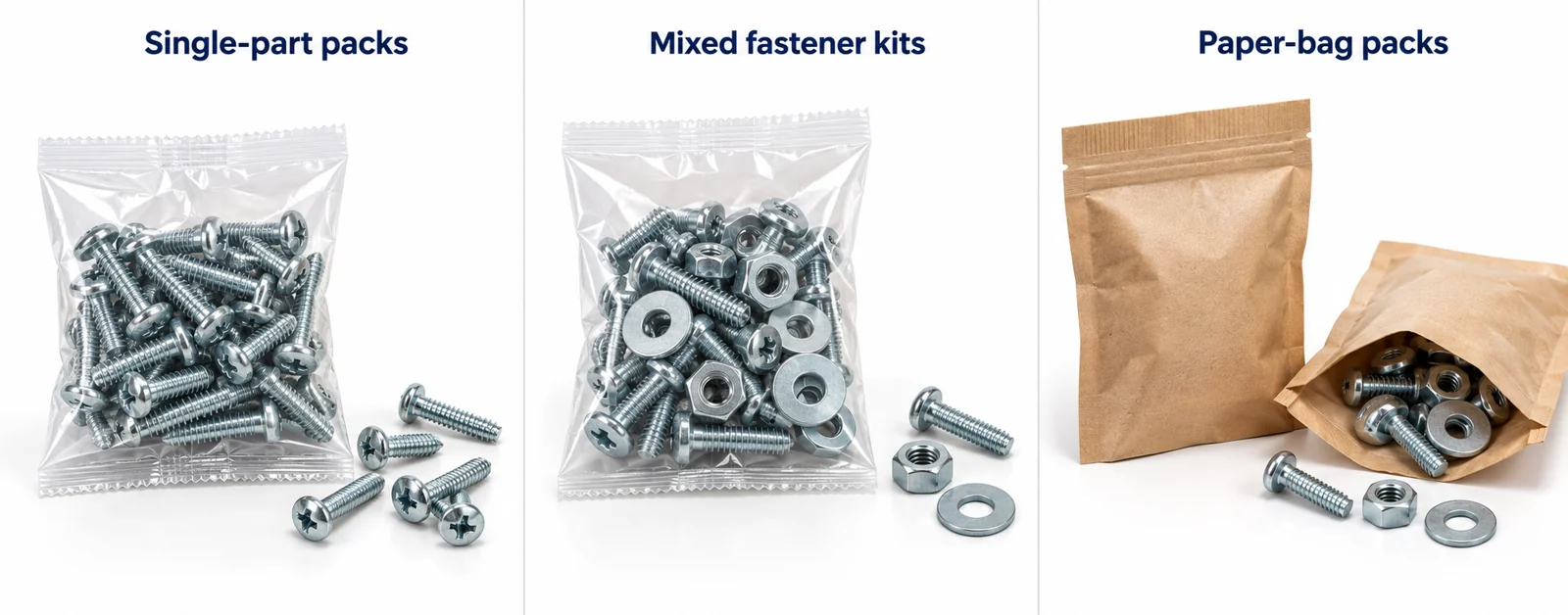
Choose the feeder around the contents of each pack
Single-part counting and bagging
For bags containing a specified number of screws, bolts, nuts or nails, a feeder separates the parts before a sensor counts them. An accumulation gate releases the batch into the bagger after the required count is reached. The bagger then seals and discharges the pack.
This arrangement suits a stable part family with repeat orders. Head shape, thread length, finish and oil residue affect how parts travel along the track. Send the smallest and largest examples together: tooling that handles one screw may need changing for another.
Multi-component hardware kit packing
A furniture fitting kit might contain screws, washers and nuts. Each component needs its own feeding path and count setting, followed by controlled collection into the same bag. The control sequence must prevent a missing component from being hidden by the other parts.
Dedicated kit feeding is worth assessing when the same combinations repeatedly take up manual assembly time. During the sample trial, change the recipe, let a feeder run empty and restart after a stoppage.
Weighed fastener bags
For bulk packs sold by weight, weighing can be a practical alternative to individual counting. Use a scale and feed arrangement suited to the part weight and the bag load. Sharp nails, long bolts and dense metal batches also affect the chute, drop height and bag support.
A weight result cannot establish an exact piece count when individual part weights vary. If the customer buys a counted kit, validate the count directly or define a suitable secondary check.
Control counts, kit contents and bag damage
| Packing problem | Matched equipment or configuration | How it responds and what to check | Applicable product |
|---|---|---|---|
| Parts overlap and counts drift | Singulating counting feeder | Adjust the track and feed rate so the selected sensor can distinguish passing parts; inspect counted batches after starts and stops. | Small screws, washers and reflective metal parts |
| A kit has the correct weight but a missing component | Separate kit feeders with recipe and completion checks | Verify each component release before allowing the next bag cycle; test deliberate feeder starvation and recipe changes. | Mixed furniture and hardware kits |
| Metal parts puncture bags or lodge in the seal | Supported discharge, suitable chute and selected bag film | Reduce uncontrolled impact and keep the batch clear of the sealing jaws; inspect drops, seams and handling damage with the full pack. | Nails, long bolts and heavier bags |
| Operators lose time changing part combinations | Saved recipes and accessible change parts | Identify feeder, guide and bag-format changes for each SKU; measure a complete change including count verification. | Several hardware kits on one shift |
Which fastener packing arrangement fits your orders?
| Production situation | Finished pack | Starting route | Configuration inputs |
|---|---|---|---|
| Repeating screw SKU for distribution | Counted clear bag | Single counting channel plus bagger | Part dimensions, finish, count per bag and maximum bag load Change the feeding tooling when part geometry changes. |
| Flat-pack furniture assembly kits | Mixed screws, nuts and washers in one bag | Separate feeders with kit recipe control | Component list, quantity of each item and kit-change frequency Add completion checks when a missing part invalidates the kit. |
| Bulk fasteners sold by weight | Heavier sealed bag | Weighing feed plus supported bag discharge | Target net weight, sharp edges, film strength and handling test Use direct counting if exact quantities are contractual. |
Work that remains manual at each automation level
| Production mode | Operator work | Changeover implications | Acceptance focus |
|---|---|---|---|
| Manual or assisted batching | Operator counts/loads; bagger closes the pack | Flexible for short runs; manual verification remains | Check count and seal quality at the intended work rhythm |
| Automatic single-part system | Operator replenishes parts and removes finished bags | Part-track and bag changes are the main setup tasks | Run representative sizes and restart conditions |
| Automatic hardware kitting | Separate feeds run to a stored kit recipe | More tooling and setup; fewer repeated hand-counting tasks | Challenge missing components, recipe selection and changeover |
Film, paper bags and product-contact requirements
Transparent heat-sealable film lets the buyer see the contents. For a paper-bag specification, send the actual paper structure and closure: coated heat-sealable paper and an uncoated paper bag need different closing arrangements. Match film strength, seal width and discharge support to the full metal load.
A carded blister or high-frequency sealing enquiry describes a different pack construction. Send that finished retail pack so we can assess its materials and sealing process separately from ordinary bagging. Bearing protection is also a separate product task. Certification requests should name the destination and required documents for the selected configuration.
Budget for the selected equipment scope
These planning ranges concern new equipment supplied from China for a defined product and format. Product preparation, extra formats, freight, taxes, overseas installation and site work are excluded unless expressly listed. Equipment additions and commercial terms are settled in the formal quotation. Special product-contact, safety or environmental requirements can change the scope.
| Equipment scope | Planning budget | Range applies to | Items to define separately |
|---|---|---|---|
| Single-SKU counting and bagging | USD 12,000 to 35,000 | One defined part family, count setting and bag format | Part tooling, feeding and bagging scope specified together |
| Multi-component fastener kit system | USD 30,000 to 80,000 | Several defined feeder channels and kit recipes | Vision inspection, unusual parts and extra formats priced separately |
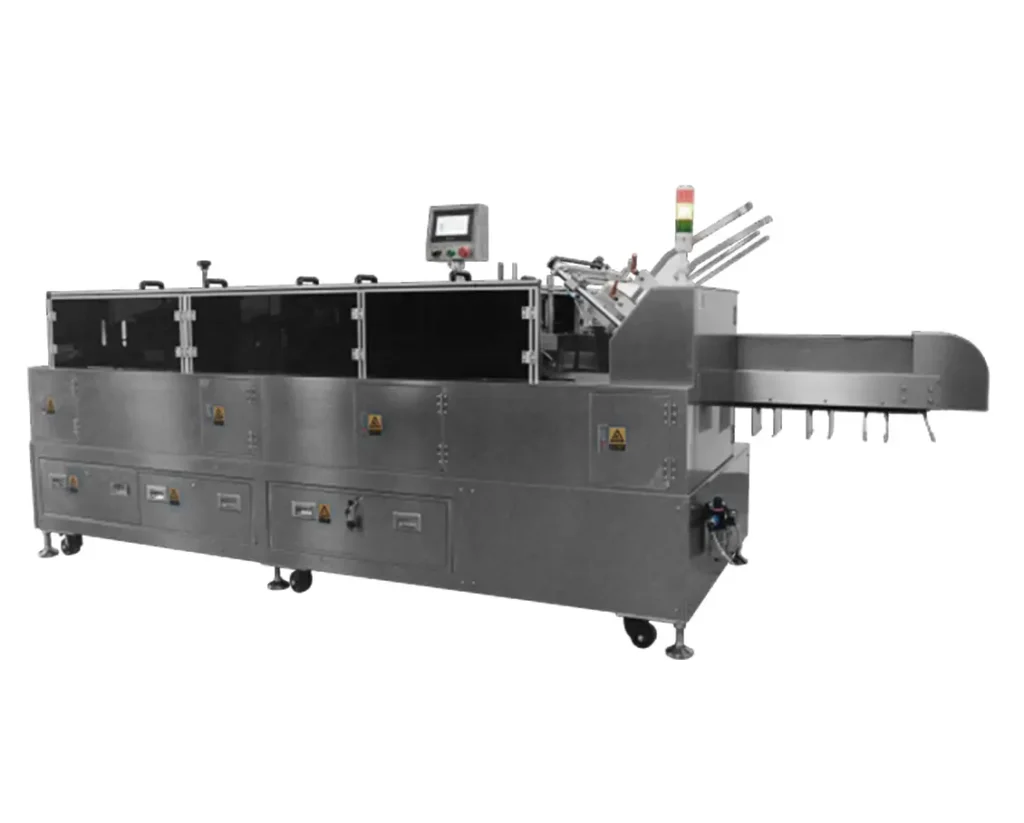
| Optional retail cartoner | USD 25,000 to 80,000 | One defined filled kit bag and retail carton | Product loading, extra carton sizes and leaflet handling specified separately |
| Feed, weigh and VFFS bagging for net-weight fastener packs | USD 15,000 to 45,000 | One short-part family and one bag format; matched feed, weighing, bagger and supported takeoff | Extra wear protection, unusual/sharp parts, inspection and additional formats priced separately |
Add retail cartoning when the sales pack requires it
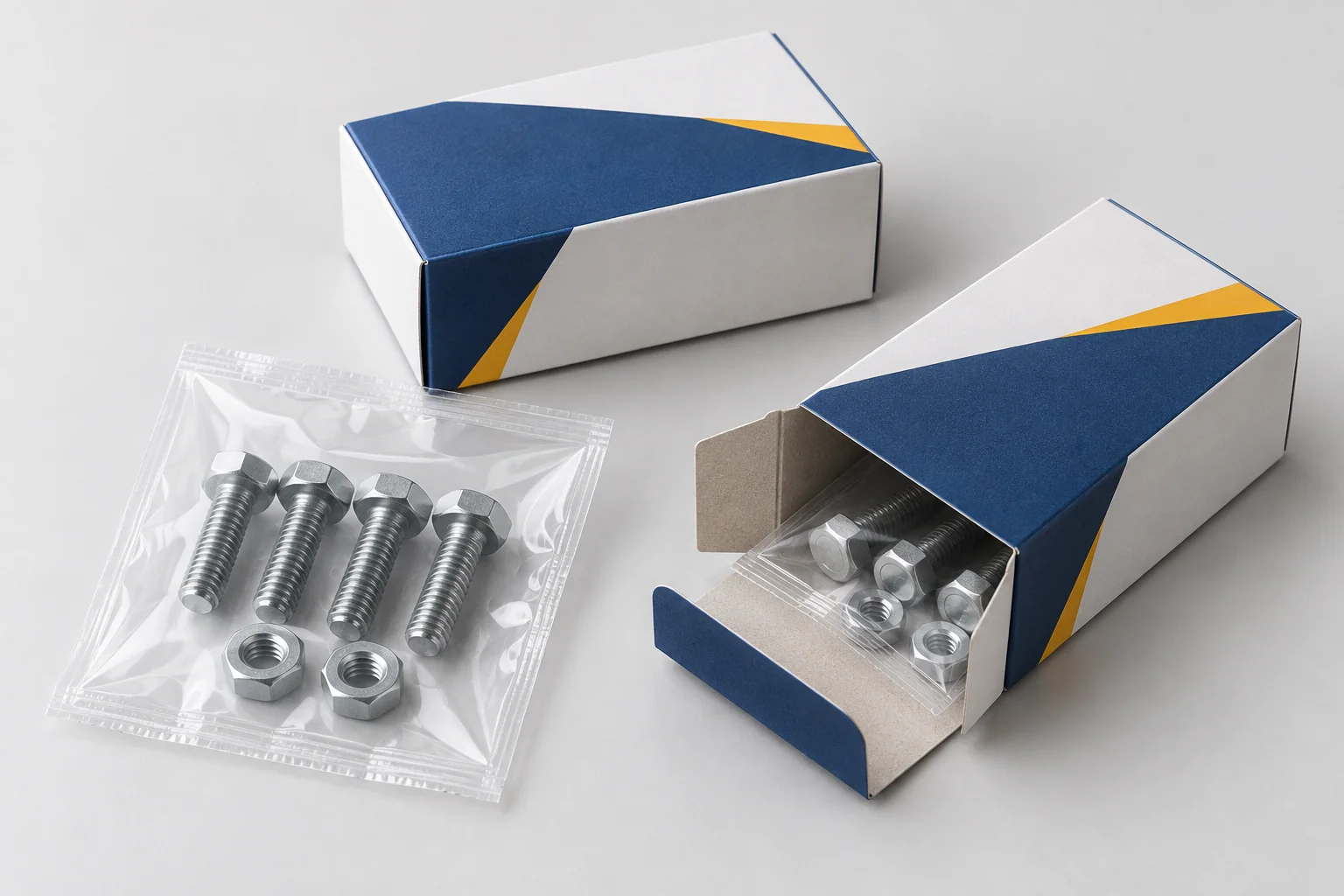
If the retail specification places the sealed fastener kit inside a small paperboard carton, add cartoning after bagging. The product loader must suit the bag stiffness and the filled metal weight. Specify whether the carton receives one kit, several bags or a leaflet. The cartoning scope and price sit alongside the bagging system; they are not included in the counting budgets above.
Calculate kit output and feeder demand
For an illustrative order of 2,400 kits in 400 available production minutes, the required acceptable output is 6 kits per minute. A kit with 4 screws and 4 washers requires each feeder to sustain at least 24 pieces per minute at that bagging rate, with capacity for replenishment and recovery. Compare quoted output on complete acceptable kits and include stoppages and changeovers in the shift plan.
Ask for power and compressed-air requirements, then compare measured consumption for the same workload, including idle time. Divide electricity and compressed-air costs by accepted packs. Add labour, film, rejected kits and changeover time to compare total cost per good kit. Nameplate power by itself does not give that cost.
Compare proposals on the same product and pack
| Dimension | Evidence to compare |
|---|---|
| Budget and scope | The equipment operations, product and formats represented by each price. |
| Output | Use the same part samples and complete kit list for every proposal. Compare missing-part detection, part replenishment and recovery as carefully as bagger cycle speed. |
| Product and format fit | Photos or samples of every part, with dimensions and surface condition; Finished bag dimensions, material and maximum filled weight. |
| Support | Training, contact parts, spares and the responsibilities for commissioning and support. |
| Delivery | Samples, format confirmation, layout, documentation and acceptance milestones. |
Questions to settle before ordering
Can one machine pack screws, bolts and nuts?
If their sizes and shapes fall within the selected feeder and bagging setup, one system can cover several parts with suitable guides and recipes. Send the full size range before deciding which tooling can be shared.
Is weighing accurate enough for counted screw kits?
For a pack sold by weight, weighing addresses the sales requirement. For an exact-count kit, check individual part-weight variation and verify counts directly; equal total weight does not establish that every component is present.
How do I compare automatic packing with manual kit assembly?
Use the same good-kit output, shift hours and kit mix. Include counting labour, replenishment, changeovers, rejected kits and film. Automation is easier to justify when repeated combinations keep the feeders productive.
What should a screw packing machine video show?
Ask for a continuous run using the target parts and bag count, followed by a recipe change and a controlled restart. A short empty-machine clip cannot show whether the parts separate or the complete kit is correct.
Get a proposal for your fastener kit
Send photos or samples of the parts and finished bag, the count or fill, and the output you need. For a detailed proposal, include:
- Photos or samples of every part, with dimensions and surface condition
- Exact component list and quantity per bag; smallest and largest kit
- Finished bag dimensions, material and maximum filled weight
- Required acceptable kits or bags per shift and available packing time
- SKU mix, change frequency, printing and inspection requirements
- Destination, available space, power and compressed-air conditions
Comwin will recommend the feeding and packing operations, explain the configuration and sample trial, and quote the agreed equipment scope.
Comwin provides free sample testing and can arrange real factory visits. Small-equipment support includes video tutorials and remote video calls. The whole-machine warranty is two years, with three years for core components and remote response within 24 hours. Support and installation responsibilities are specified for the project.
Arrange free sample testing · Send your packing requirements