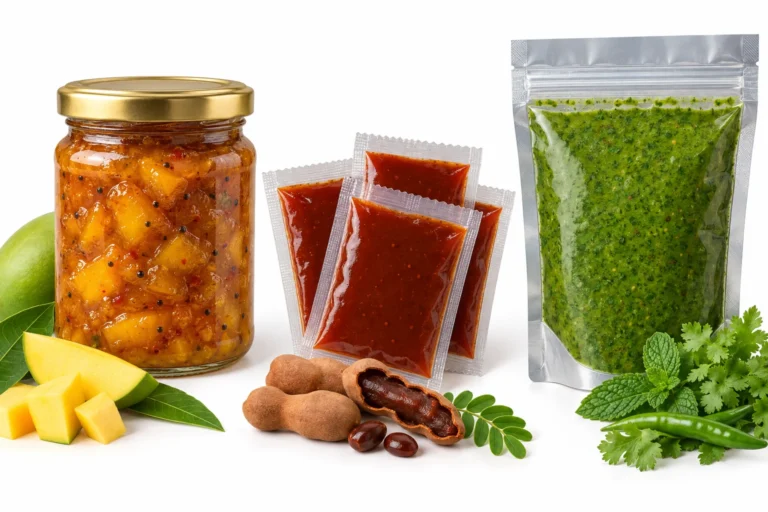
Chutney Packing Machines: Pouches, Jars and Prices
Quick answer For chutney, match the filler to the recipe and the machine to the finished pack. Roll-film sachets suit

(VFFS)
Powders
Granules & pieces
Suitable liquids
Single machine to complete line
The VFFS machine pulls roll film, forms a bag and seals it. The product determines the filler, feeding layout, cleaning access and test conditions.
Quick answer: Use an auger for many fine powders, a weigher or cup for suitable granules, and a matched pump or piston for pumpable liquids. Confirm the finished bag and film before selecting the former and seal arrangement.
Comwin planning range per machine/set
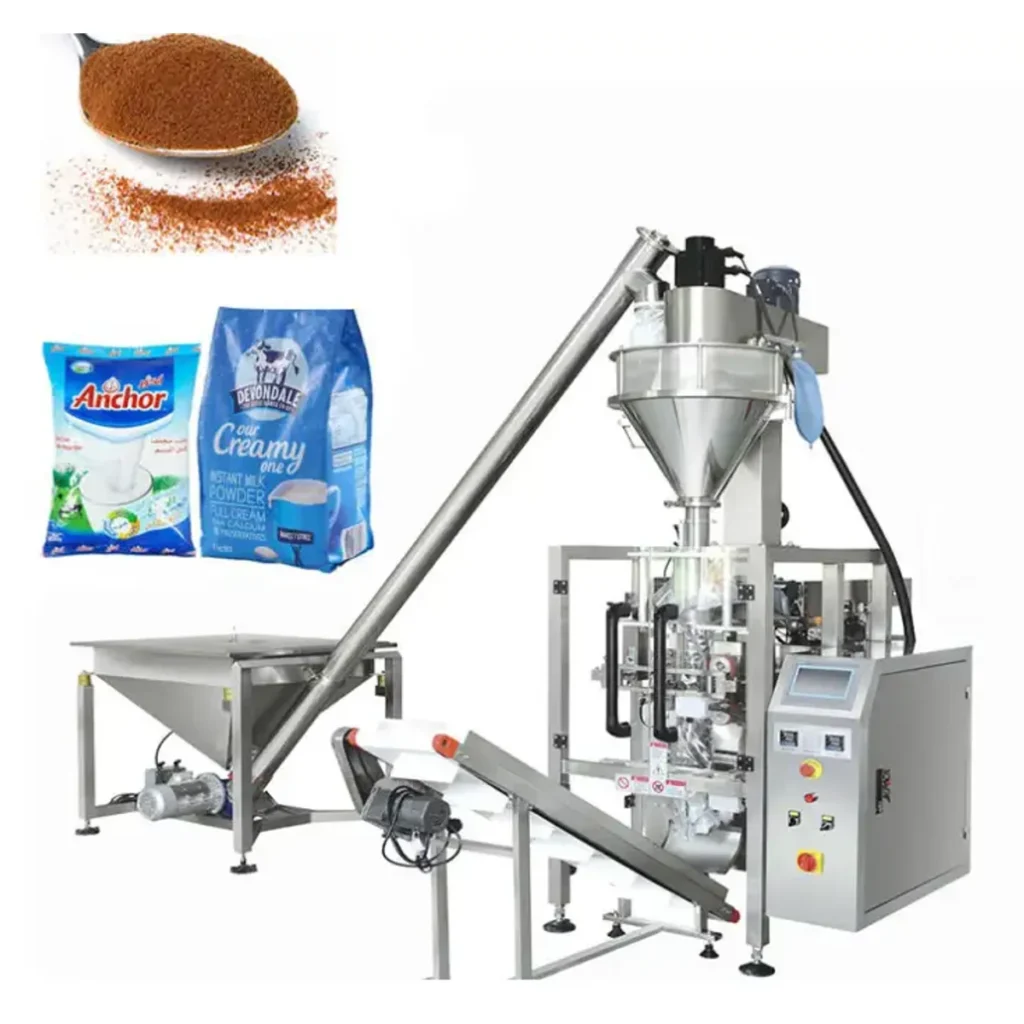
Check flowability, refill variation, dust at the cross-seal and access for cleaning.
Explore powder configuration →
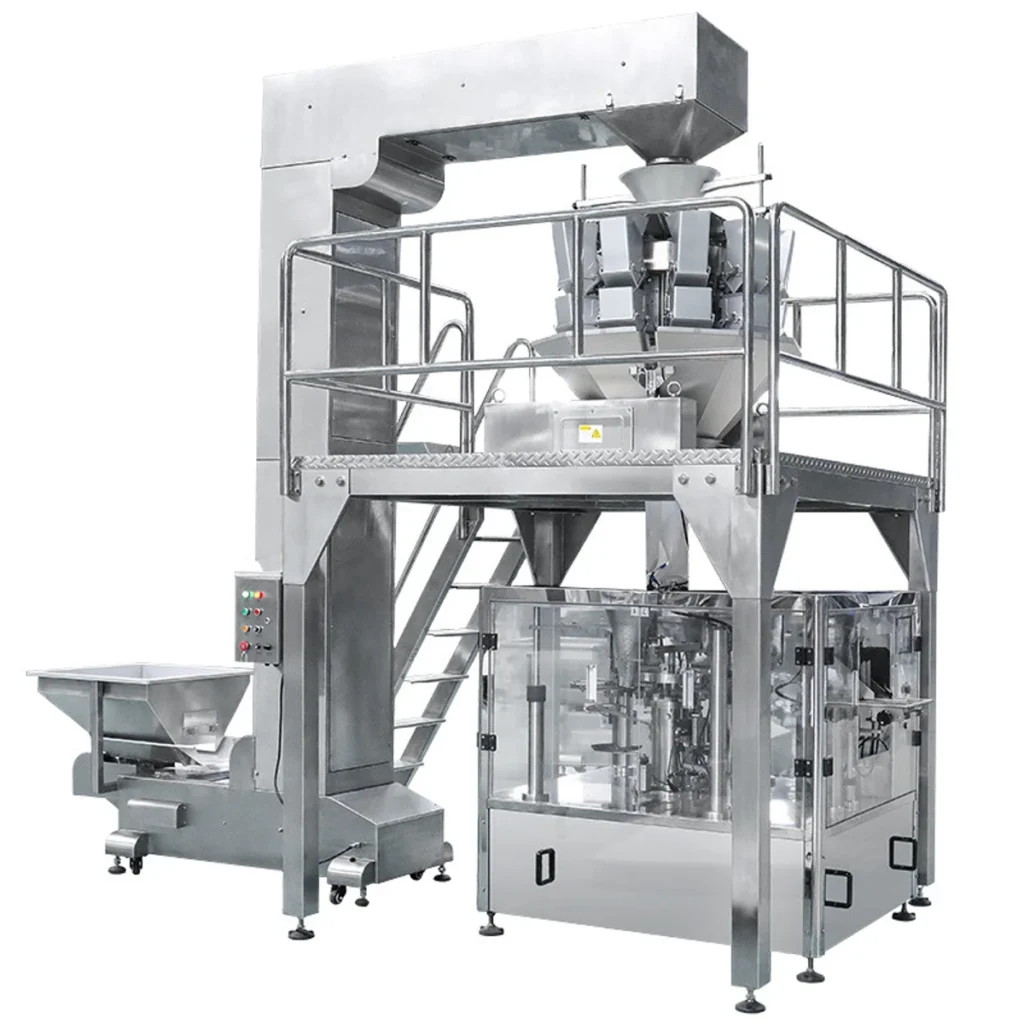
Choose by density variation, target weight, breakage and the required accepted output.
Explore granule configuration →
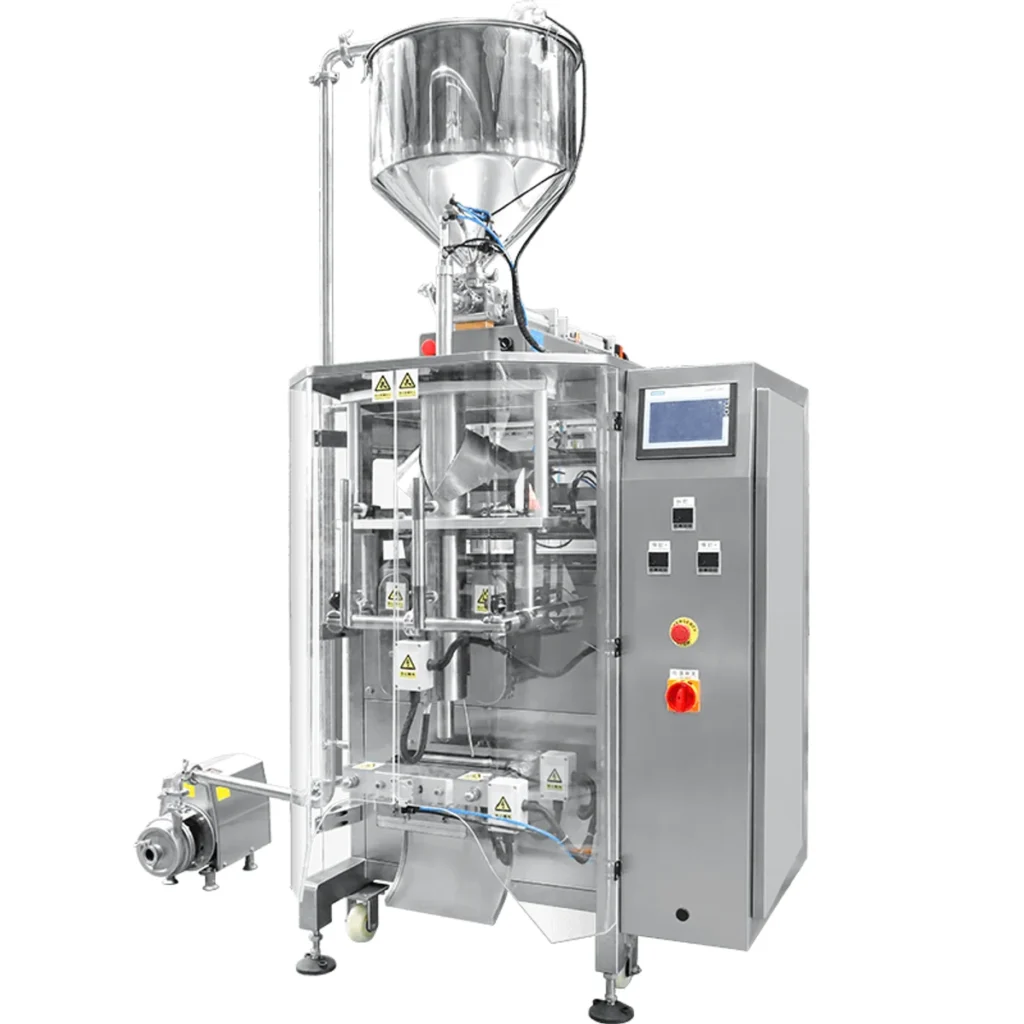
Match flow, temperature, inclusions, nozzle shut-off and seal cleanliness.
Explore liquid configuration →
Equipment examples: powder, granule and liquid dosing configurations.
Use these starting ranges to shortlist a line. We match the filler and bagger to the pack, SKU range and required output.
| Product condition | Reference configuration | Initial planning estimate (bags/min, single lane) | What can change the estimate? |
|---|---|---|---|
| Fine powders e.g. flour or milk powder | Auger filler + vertical bagger, with controlled feeding and dust management. | 10–50 | Fill weight, powder flow, refill variation, dust at the seal and cleaning/changeover time. |
| Uniform, free-flowing granules | Volumetric cup + vertical bagger, where volume-to-weight consistency meets the target tolerance. | 20–60 | Bulk-density and piece-size variation. If these shift pack weight, use weight-based dosing and recalculate the rate. |
| Variable pieces, nuts or fragile snacks | Linear or multihead weigher + vertical bagger, with a matched transfer layout. | 20–60 | Combination-weighing cycle, target weight, breakage limits, drop height and transfer speed. |
| Pumpable liquids or sauces | Matched pump or piston + vertical bagger, with suitable nozzle shut-off. | 10–40 | Viscosity at fill temperature, particles, foaming, fill volume, drip control and seal cleanliness. |
Start with the finished bag your customer needs. Each format needs the right film path and sealing arrangement.
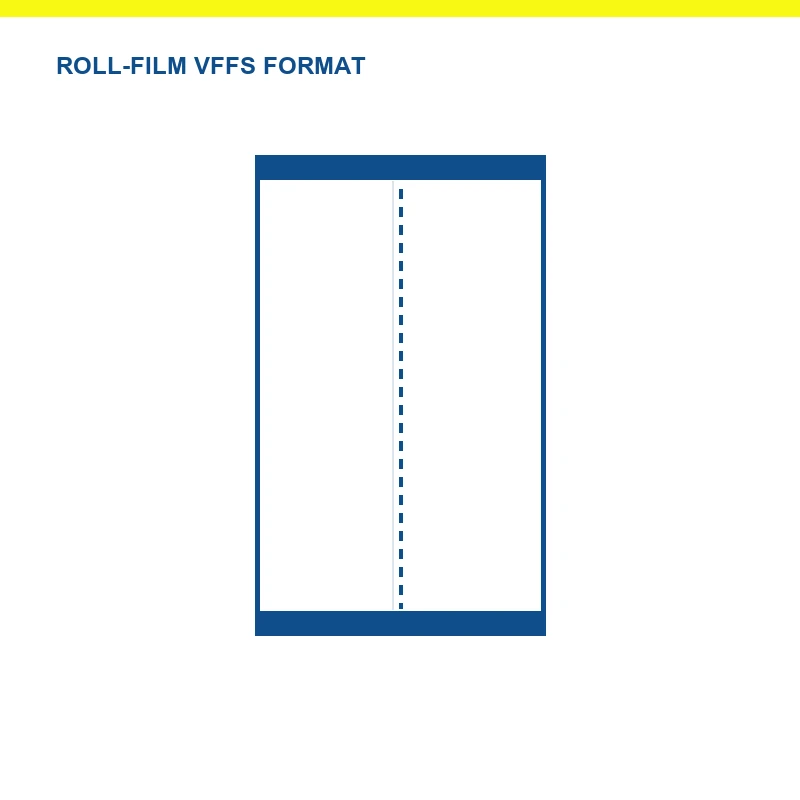
A practical start for conventional roll-film retail bags. Check fin-seal position, print area and product clearance at the cross-seal.
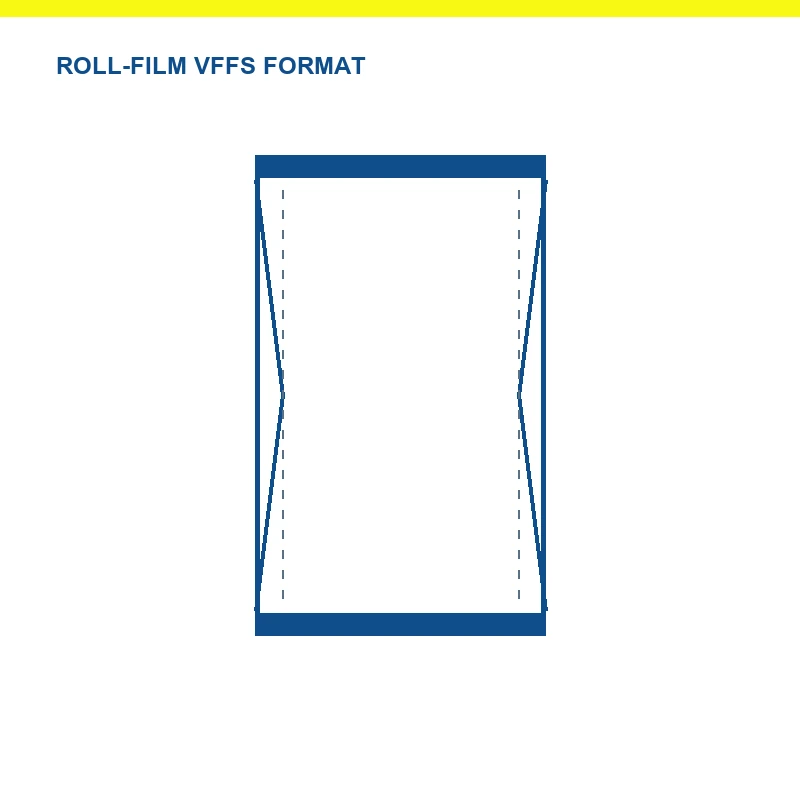
Choose side folds for a fuller profile. Include gusset-forming parts and confirm filled shape and seal consistency.
Choose a flat sachet with one folded edge and three sealed edges. Confirm fold direction, dose, seal width and opening notch.
Choose perimeter seals for a flat portion pack. Match film feed and sealing layout to dimensions; select lane count from the required output.
These are roll-film formats. Availability depends on the selected bagger and tooling; changing format can require change parts or a different configuration. In a collar-type packing machine, the forming collar shapes the film tube; confirm collar/former, film width and seal layout against your bag sample. A “vertical pouch packing machine” listing may mean roll-film VFFS or premade-pouch filling, so confirm which process is offered.
Need a finished stand-up or spouted pouch? Start with a premade-pouch filling solution.
A useful proposal connects the finished pack, the dosing system and the production schedule. Settling these choices early avoids comparing machines with different jobs.
For a retail pillow or gusseted bag, begin with the matching former. For three-/four-side sachets, select the vertical sachet sealing layout. Small portions alone do not mean you need multiple lanes.
Use an auger starting point for fine powder, cups for consistent free-flowing granules, weighing for variable pieces, and a matched pump for liquids. The filler must deliver the dose within the bagger’s cycle.
For short runs and several bag sizes, prioritize accessible cleaning and manageable change parts. For sustained output of one format, assess faster motion or more lanes together with product feed and discharge capacity.
A faster bagger helps only when dosing, product settling, sealing and downstream handling can support it. Comwin can combine these stages in one scoped proposal.
Match hopper capacity, refill method and conveying to the doser; avoid an output target that depends on constant manual intervention.
Match dose delivery and product settling with film advance and sealing. Resolve dust or drips before chasing a higher rate.
Select coding, weight checks and inspection to suit the product and required controls; include space for rejects and access.
Match conveyors, collection and case handling to the agreed output. Define the interface with your existing equipment.
Need a finished stand-up or spouted pouch? Start with a premade-pouch filling solution.
For milk powder, flour and fine spices, an auger is a useful starting point. The final combination depends on powder flow and the fill weight. If bulk density changes between batches, a volumetric dose can shift in mass.
For a specific application, see our milk powder filling guide.
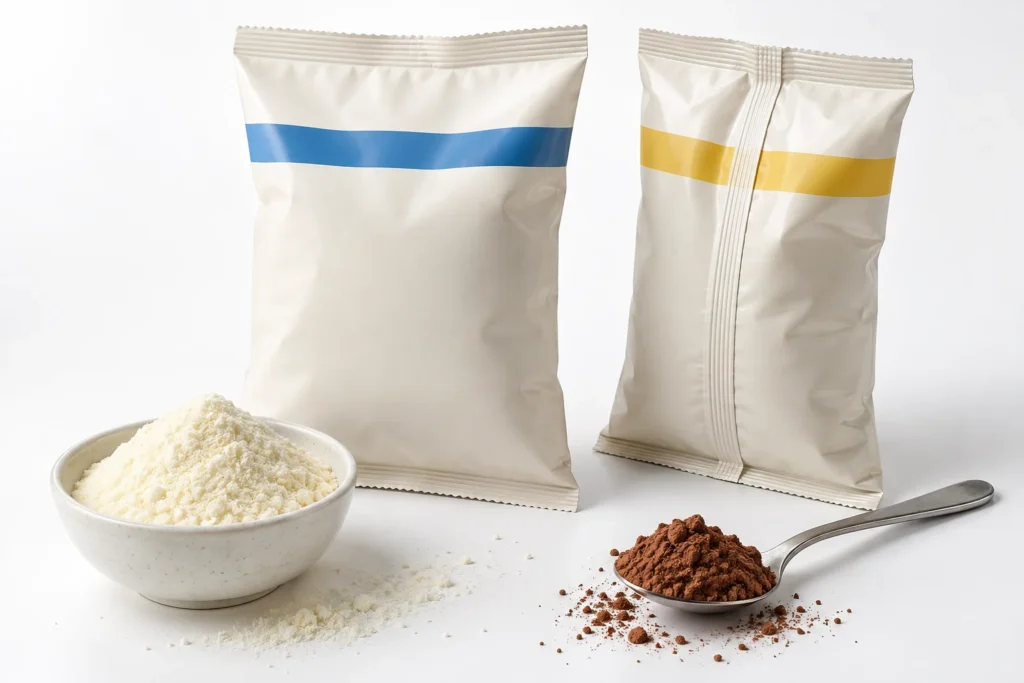
Powder packing samples
Rice, sugar, nuts and fragile snacks can need different handling even when they use the same bag style. Cups can suit consistent free-flowing products when measured weights remain within tolerance. A linear or multihead weigher is a starting point when mass accuracy and piece variation matter.
Compare the volumetric cup filling route for regular granules.
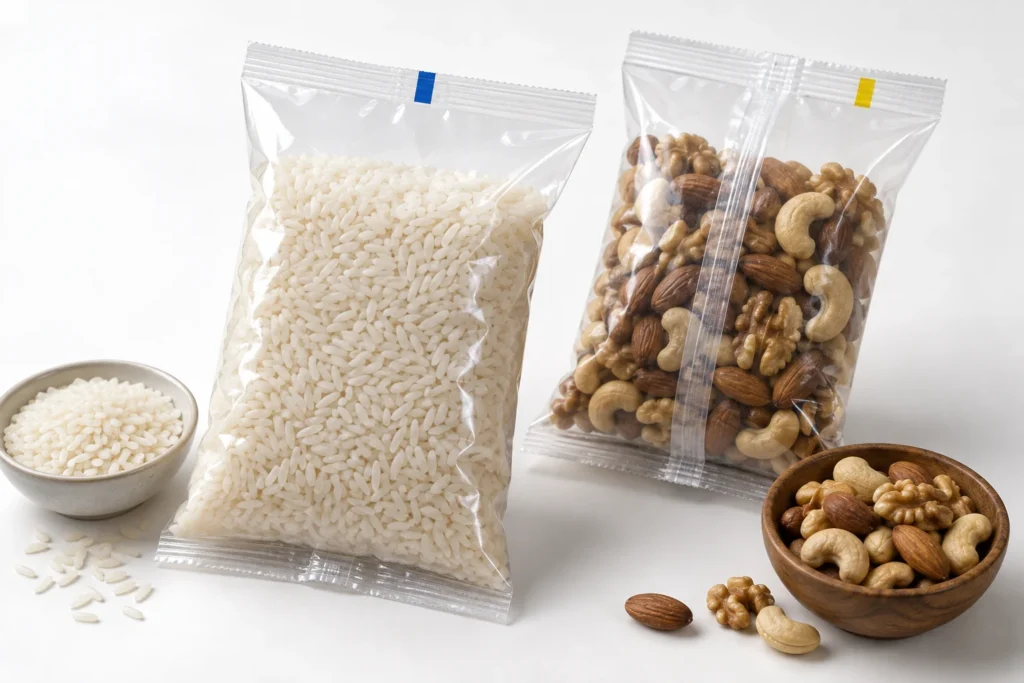
Granule packing samples
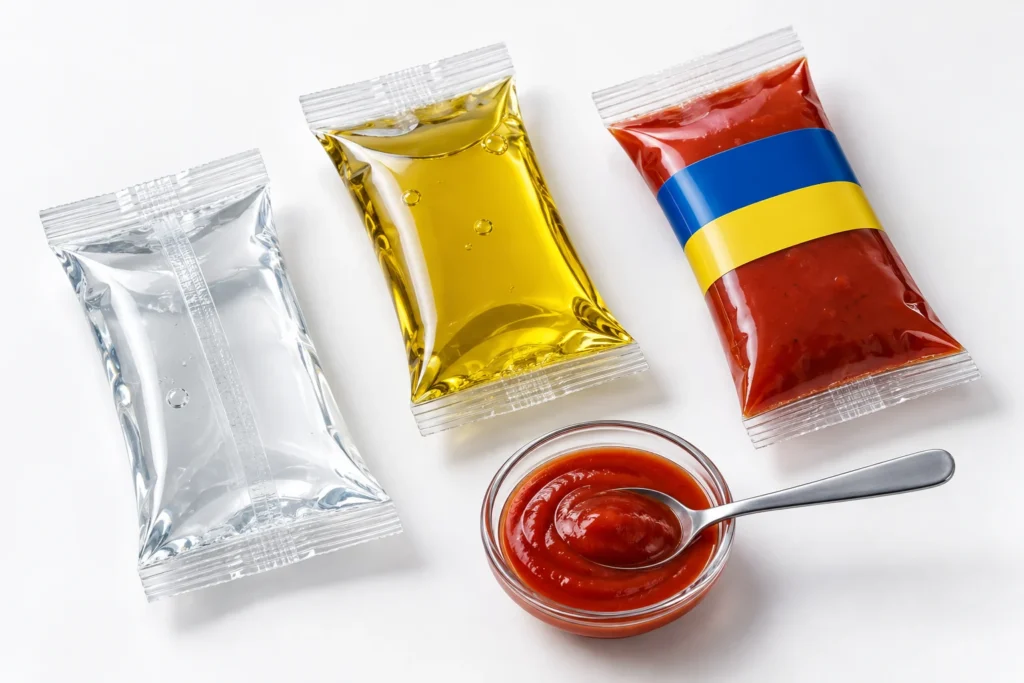
For compatible water, edible oil and smooth sauces, match a pump or piston system to viscosity at the filling temperature. Foaming, splashing, drip cut-off and particles can change the viable equipment layout.
Explore a product-specific ketchup sachet packing example.
Liquid packing samples
Product class helps shortlist a doser, but material behavior, pack barrier, hygiene and site requirements decide the final system. Use these differences to define the feeding, cleaning and inspection scope.
Check aroma protection, barrier film, piece breakage and—where specified—gas flushing or valves.
Match kibble or treat size to weighing, drop height, bag weight and seal-area control.
Laundry detergent and some cement additives may suit a powder/granule route, subject to dust, corrosion and site safety assessment. Do not assume a food-contact setup can be shared.
Protein, supplement or selected healthcare powders need product-specific cleaning, traceability and documentation. Regulated pharmaceutical use requires separate compliance review.
Choose the checks that could change your equipment selection. Agree the test method and acceptable result before placing the order.
| Production issue | Configuration to investigate | Evidence to record during the test |
|---|---|---|
| Fill weight varies | Weigher for variable pieces; a product-matched auger setup for powder. | Accepted bag weights over a continuous run at the target rate. |
| Powder reaches the seal | Adjust dosing timing, settling, extraction and dust control. | Filled seal samples, inspection results and leak-test outcome. |
| Liquid drips or leaks | Match pump/piston, nozzle cut-off, fill cycle and film seal. | Drip control, seal appearance and leak results after handling. |
| Pieces break during transfer | Review weigher/elevator layout and control product drop height. | Breakage level in finished accepted bags, not only at the infeed. |
| Changeovers take too long | Define former, dosing parts, cleaning access and changeover steps. | Repeatable changeover time and restart quality across representative SKUs. |
Start with the finished pack and how the product enters it. The equipment names alone do not settle the choice.
Your product can be dosed through a vertical forming tube into bags made from roll film. Compare doser, film, former and sealing on filled samples.
Define a VFFS project →
You need three-/four-side-seal portion packs or narrow sticks. These can use vertical form-fill-seal configurations with the appropriate film and sealing layout. Compare single-lane and multilane options by dose, output and changeover needs.
You will buy already formed spouted, shaped or zipper pouches and need equipment to open, fill and seal them.
A consistent stream of individual solid items, such as bars or biscuits, can be placed on a horizontal infeed and wrapped in film.
Need a connected production line? Add the upstream dosing, conveying, coding, inspection and downstream case handling to the project scope. Review our bagged-product packaging line route.
The range below is a planning reference from Comwin’s 4 September 2026 USD price sheet. A project quote must state the modules and acceptance conditions.
Send us your requirements for a recommended machine or line configuration and a project-specific quotation.
Comwin planning reference · 4 September 2026.
Compare quotes with the same bagger, doser and auxiliary scope. Additional automation or custom requirements can move the project outside this range.
Product sample, proposed film and finished bag, target fill weight, SKU range, line target and plant conditions.
Bag size, film, dosing setup, run time, good packs, rejects, fill distribution and seal/leak results.
List the bagger, doser, feeder, inspection and downstream units in the proposed scope and acceptance document.
Comwin’s stated service terms include a two-year whole-machine warranty and remote response within 24 hours. Confirm the applicable scope in the project agreement. Learn about sample testing.
Yes, in this page context. VFFS means vertical form fill and seal: the machine forms bags from roll film, fills them through a vertical tube and seals them. If a listing says “vertical filling machine,” confirm whether it fills roll-film bags or bottles; bottle filling is a different route.
Start with an auger for many fine powders, a weigher for variable pieces or tight mass targets, a cup for suitable free-flowing uniform granules, and a pump/piston for compatible liquids. Test the choice against your fill tolerance and target accepted rate.
A shared bagging platform may suit related products with compatible bag sizes, contact parts and cleaning needs. For frequent powder-to-liquid changes, compare the extra dosers, cleaning time and lost production with dedicated machines. We recommend one platform only when the changeover plan makes operational sense.
No. The roll-film configurations here cover pillow/back-seal, side-gusset and three-/four-side-seal bags with matching forming and sealing equipment. A vertical pouch packing machine for a purchased stand-up, spouted or shaped pouch usually needs a premade-pouch route; do not assume a roll-film VFFS bagger can fill it.
Yes, with the appropriate film-feeding, forming and sealing configuration. Three-side and four-side sealing are not the same tooling as a pillow/back-seal setup. Choose a single-lane starting point for suitable output needs; compare multilane equipment when portion-pack volume justifies the additional dosing and changeover complexity.
Specify accepted bags per minute for a stated product, fill weight, bag size and film. Calculate the required rate from good packs per shift divided by available production minutes, then confirm it in a filled-bag test; a cycle-rate claim alone does not establish sustained line output.
These guides address individual materials and pack formats. They supplement the VFFS equipment selection on this page.
Quick answer For chutney, match the filler to the recipe and the machine to the finished pack. Roll-film sachets suit
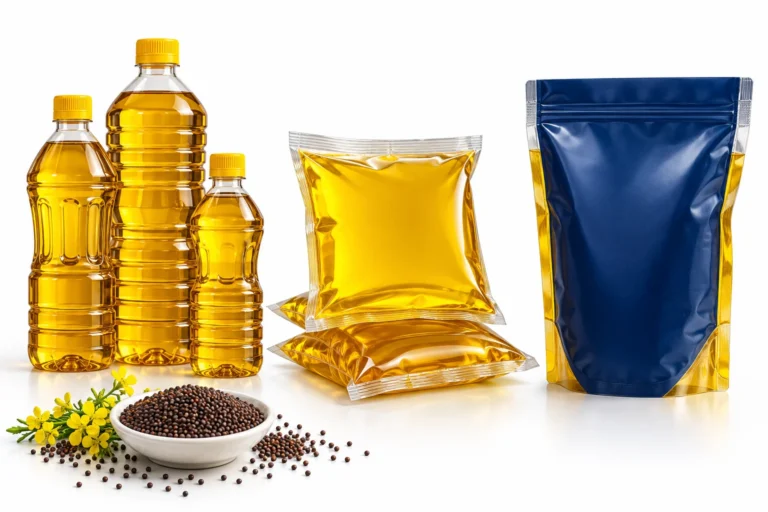
Quick answer For mustard oil, compare the finished bottle or pouch before fixing the packing machine. Bottle filling needs a

Quick answer Free-flowing granulated sugar can be portioned into stick packs or wider sachets with suitable volumetric dosing. Select the
We will use your materials and targets to recommend a VFFS configuration, separate the machine from optional modules and prepare a scoped quotation.
Explore the wider Comwin packaging automation range.
Automation Machine One-stop Solution
Huide International Building, Fuyong Street, Bao’an District, Shenzhen
© 2026 All Rights Reserved.