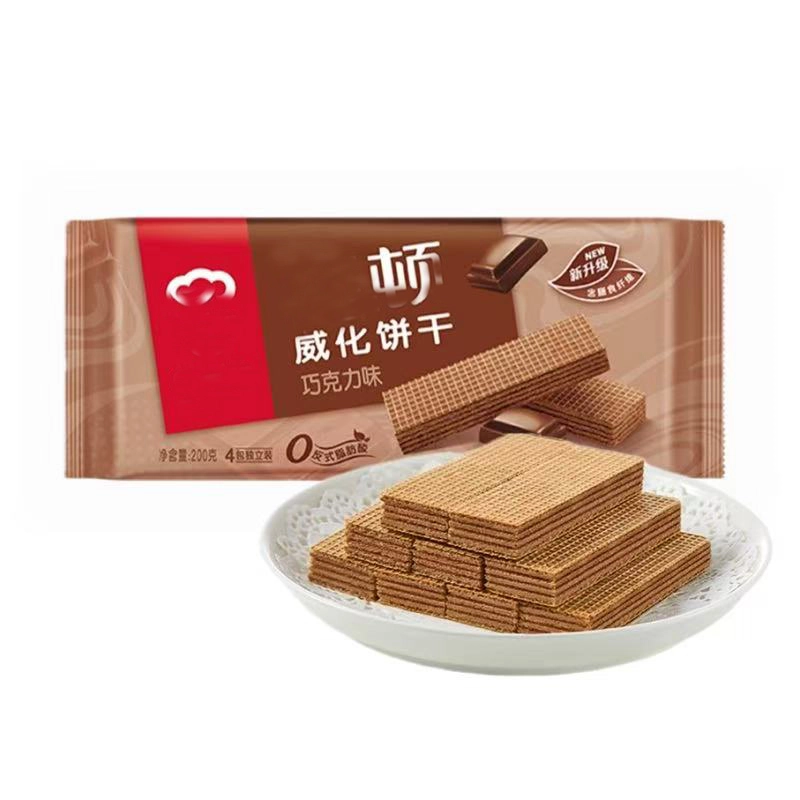
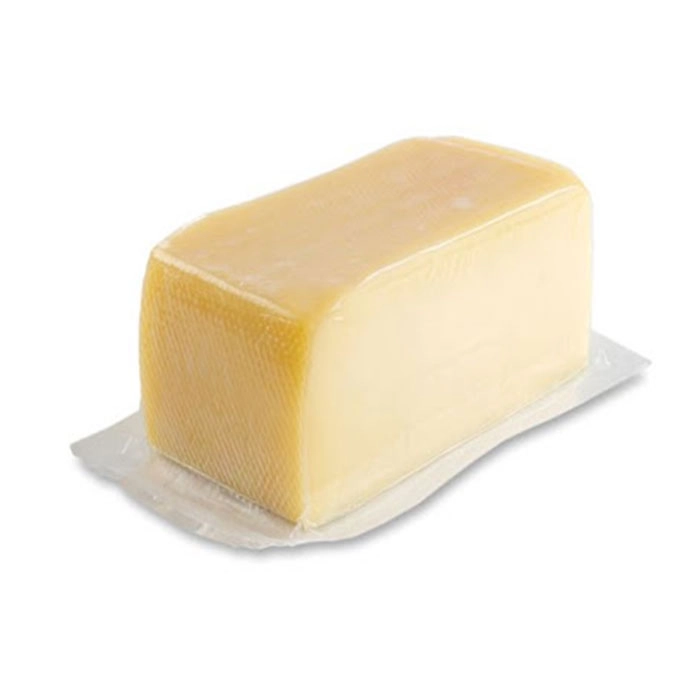
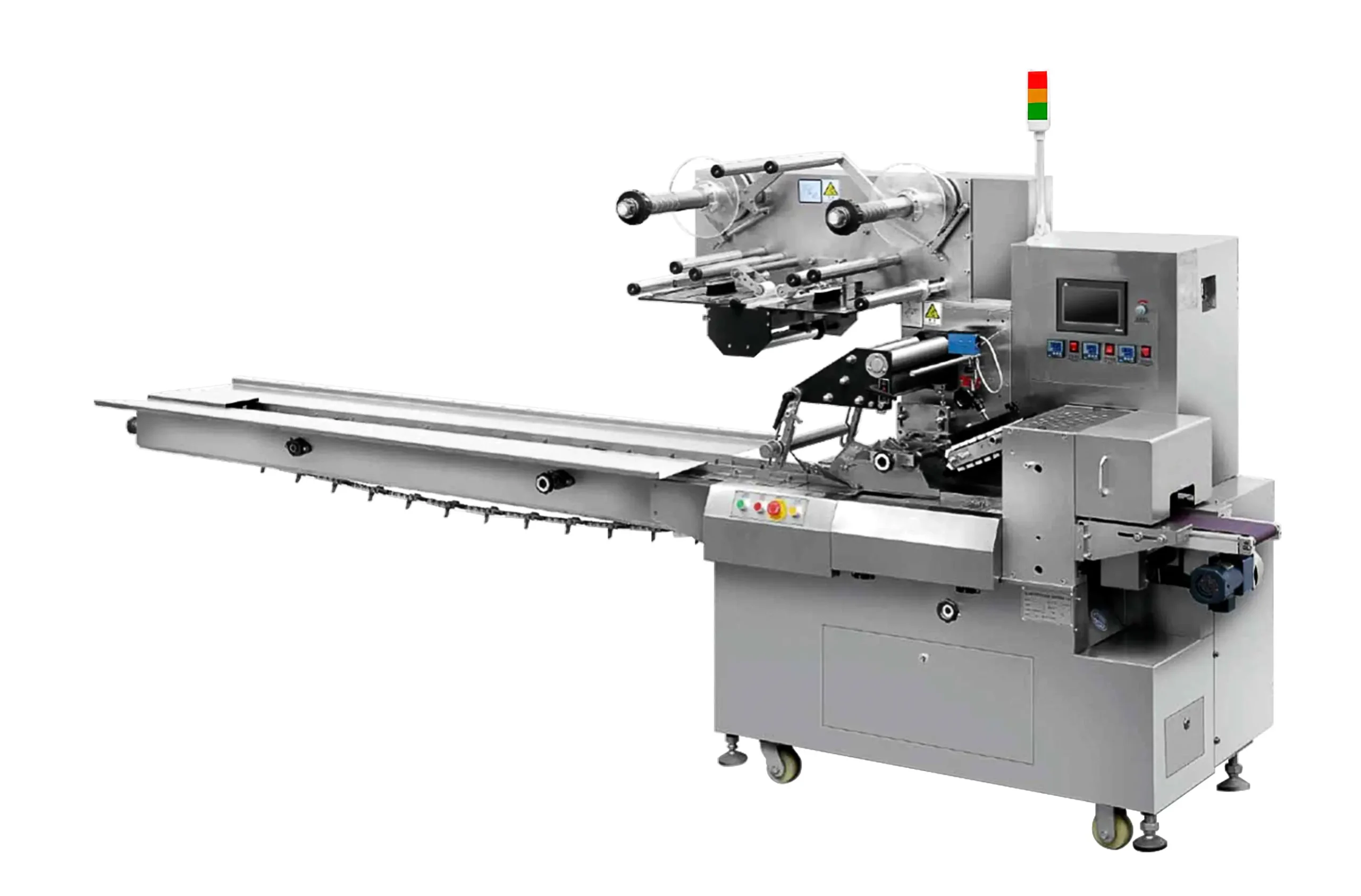
A plate packing machine groups finished disposable plates and wraps each stack in film. A flow wrapper makes a sealed pillow bag; a shrink system tightens film around the stack. Diameter, stack height and plate stiffness determine the handling requirements. Automatic counting is a separate upstream operation to specify when needed.
For initial budgeting, allow USD 5,000 to 25,000 for a suitable flow wrapper or USD 5,000 to 20,000 for shrink wrapping. Counting, stack transfer and flow wrapping for one plate format has an indicative range of USD 15,000 to 45,000. Comwin specifies the equipment for your plate samples and finished pack.

Match film wrapping to the plate stack
Counted paper plates in a pillow bag
Use horizontal flow wrapping when the finished pack needs a closed bag with some clearance around the plate rim. Prepared stacks enter a supported conveyor, film forms around each stack, and the machine makes the longitudinal and end seals. Check that the tallest stack passes without compressing the plate edges.
For regular runs, add a counting and stacking feed if manual preparation limits output. Test separation using the actual coating and rim profile. Nesting, static and plates sticking together can cause a counter to release the wrong quantity even while the wrapper produces neat bags.
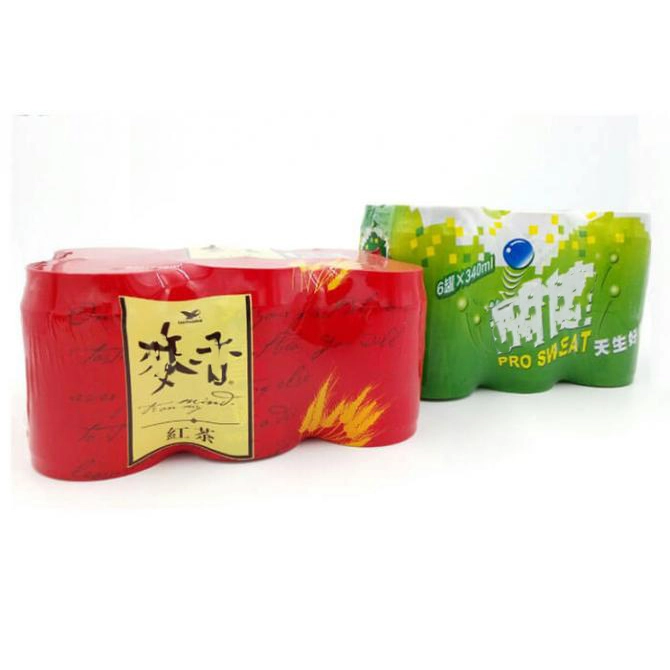
Shrink-wrapped plate bundles
Choose shrink wrapping when the buyer wants a close-fitting bundle and the plates tolerate the sealing and tunnel conditions. The sealer encloses the prepared stack in shrink film; controlled heating then tightens it. Compare the cooled pack for rim distortion, print change and stability.
Trial thin plates and heat-sensitive coatings before choosing shrink wrapping. Tight film can secure the stack, but plate count and suitability for food-contact storage still need to meet the packaging specification.
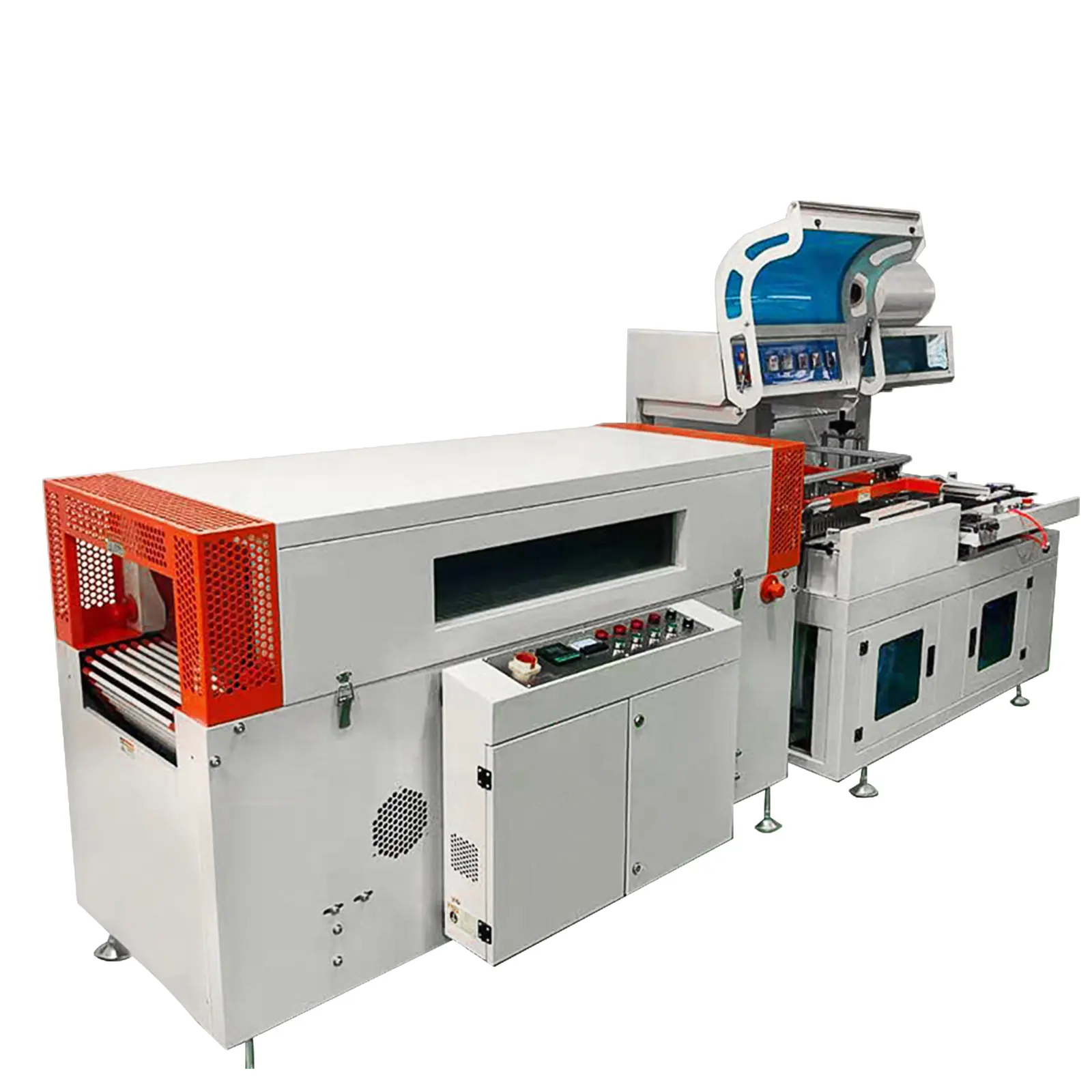
Protect plate rims and verify the stack count
| Packing problem | Matched equipment or configuration | How it responds and what to check | Applicable product |
|---|---|---|---|
| Two plates travel as one | Plate separation and count verification | Challenge the feed with nested or slightly distorted plates and verify the complete stack count. | Light paper and coated plates |
| Rims buckle during transfer | Supported conveyor and matched stack guides | Maintain support under the stack and clearance around the largest rim. | Thin or wide plates |
| Film pulls the bundle out of shape | Selected film and controlled shrink exposure | Inspect the cooled bundle as well as the pack leaving the tunnel. | Heat-sensitive or flexible plates |
| End seals catch a plate edge | Stable stack height and product spacing | Run the highest permitted stack and test restarts before accepting the seal setting. | Variable stack quantities |
Prepared stacks, automatic counting or a tight shrink bundle
| Production situation | Finished pack | Starting route | Configuration inputs |
|---|---|---|---|
| Short orders with frequent diameter changes | Flow-wrapped prepared stacks | Manual stack preparation plus flow wrapper | Diameter range, maximum height and film Add counting when preparation becomes the bottleneck. |
| Long repeating count per retail pack | Counted stacks in sealed bags | Plate counter and controlled transfer to wrapper | Nesting, count tolerance and replenishment Add counting when preparation becomes the bottleneck. |
| Rigid stacks needing a tight retail bundle | Shrink-wrapped plate stack | Film sealer and shrink tunnel | Heat response, bundle rigidity and cooling space Choose the pillow bag if heat or film tension deforms the plates. |
Work remaining at plate counting and stack loading
| Production mode | Operator work | Changeover implications | Acceptance focus |
|---|---|---|---|
| Manual preparation with powered sealing | Operator counts, stacks and loads | Broad format flexibility; counting remains manual | Complete pack count and safe handling |
| Wrapper with hand-fed stacks | Operator prepares and places each stack | Guides and film change with stack size | Seal clearance at the highest stack |
| Counting and wrapping configuration | Operator replenishes plates and film | Separation tooling and recipes need format trials | Count verification through stops and replenishment |
Plate dimensions, coatings and film
Send the plate material, coating, rim shape, diameter and a complete stack. Size the bag around the full bundle, including its height. Film must seal consistently without brittle edges that split during handling.
These machines pack finished, empty plates. Plate forming and food filling are separate processes, and a tray already filled with food needs its own loading and closure assessment. Nested paper cups and plastic drinking cups also require different counting and stack-handling trials. Send a finished-pack photo with an enquiry for a disposable packing machine so the product is clear.
Paper plate packing machine prices
These planning ranges concern new equipment supplied from China for a defined product and format. Product preparation, extra formats, freight, taxes, overseas installation and site work are excluded unless expressly listed. Equipment additions and commercial terms are settled in the formal quotation. Special product-contact, safety or environmental requirements can change the scope.
| Equipment scope | Planning budget | Range applies to | Items to define separately |
|---|---|---|---|
| Flow wrapper for prepared plate stacks | USD 5,000 to 25,000 | One specified stack format on a selected wrapping platform | Automatic plate counting, extra formats and special feeders |
| Plate-stack shrink packaging | USD 5,000 to 20,000 | Selected sealing and shrinking platform for a defined bundle | Automatic counting and heat-sensitive product changes |
| Plate counting and flow wrapping | USD 15,000 to 45,000 | One defined plate family, count and transfer arrangement | Additional diameter tooling, unusual plate separation and inspection |
Calculate plate feed and finished bags per minute
For an illustrative order of 12,000 plates packed 20 per bag, the requirement is 600 acceptable bags. With 120 available production minutes, that is 5 good bags per minute and a plate feed of 100 plates per minute. These figures define the trial workload; they are not an equipment rating. Include counting checks, film changes and rejected stacks in the available time.
Ask for a continuous trial that includes low supply, a deliberate stop and restart, and the smallest and tallest stacks. Count finished packs independently. Compare labour and film used per acceptable pack, including any stacks that must be opened and corrected.
Compare proposals on the same product and pack
| Dimension | Evidence to compare |
|---|---|
| Budget and scope | The equipment operations, product and formats represented by each price. |
| Output | Require the trial to show correct plate quantity and undamaged rims, rather than only the wrapping cycle. |
| Product and format fit | Plate diameter, material, coating and rim profile; Finished bag or shrink-film sample and artwork. |
| Support | Training, contact parts, spares and the responsibilities for commissioning and support. |
| Delivery | Samples, format confirmation, layout, documentation and acceptance milestones. |
Questions to settle before ordering
Can the same machine pack several plate diameters?
If the sizes fit the selected conveyor, guides and film arrangement, formats can share a platform with defined changes. Send the entire diameter and stack-height range before deciding which parts can be shared.
Is shrink wrapping suitable for every paper plate?
If the coating and stack remain acceptable after a representative heat trial and cooling, it can be considered. If the rim warps or the bundle compresses excessively, use a less restrictive wrap.
Does the quoted machine include counting?
If counting is required, the proposal should identify the separator, counter and stack transfer. A price for a wrapper alone assumes prepared stacks reach its infeed.
How should paper plate packing machine prices be compared?
For a useful comparison, fix the plate samples, count per pack, wrapping method and expected good output. Then compare included handling, tooling and acceptance work at that same scope.
Request a trial with your plate stacks
Send plate and finished-pack photos or samples, the fill or count, and the output you need. For a detailed proposal, include:
- Plate diameter, material, coating and rim profile
- Count per pack and minimum/maximum stack height
- Finished bag or shrink-film sample and artwork
- Required good packs per shift and available packing time
- Current manual work and upstream plate discharge arrangement
- Destination, utilities and available floor space
Comwin will recommend the counting and wrapping operations, explain the configuration and sample trial, and quote the agreed equipment scope.
Comwin provides free sample testing and can arrange real factory visits. Small-equipment support includes video tutorials and remote video calls. The whole-machine warranty is two years, with three years for core components and remote response within 24 hours. Support and installation responsibilities are specified for the project.
Arrange free sample testing · Send your packing requirements