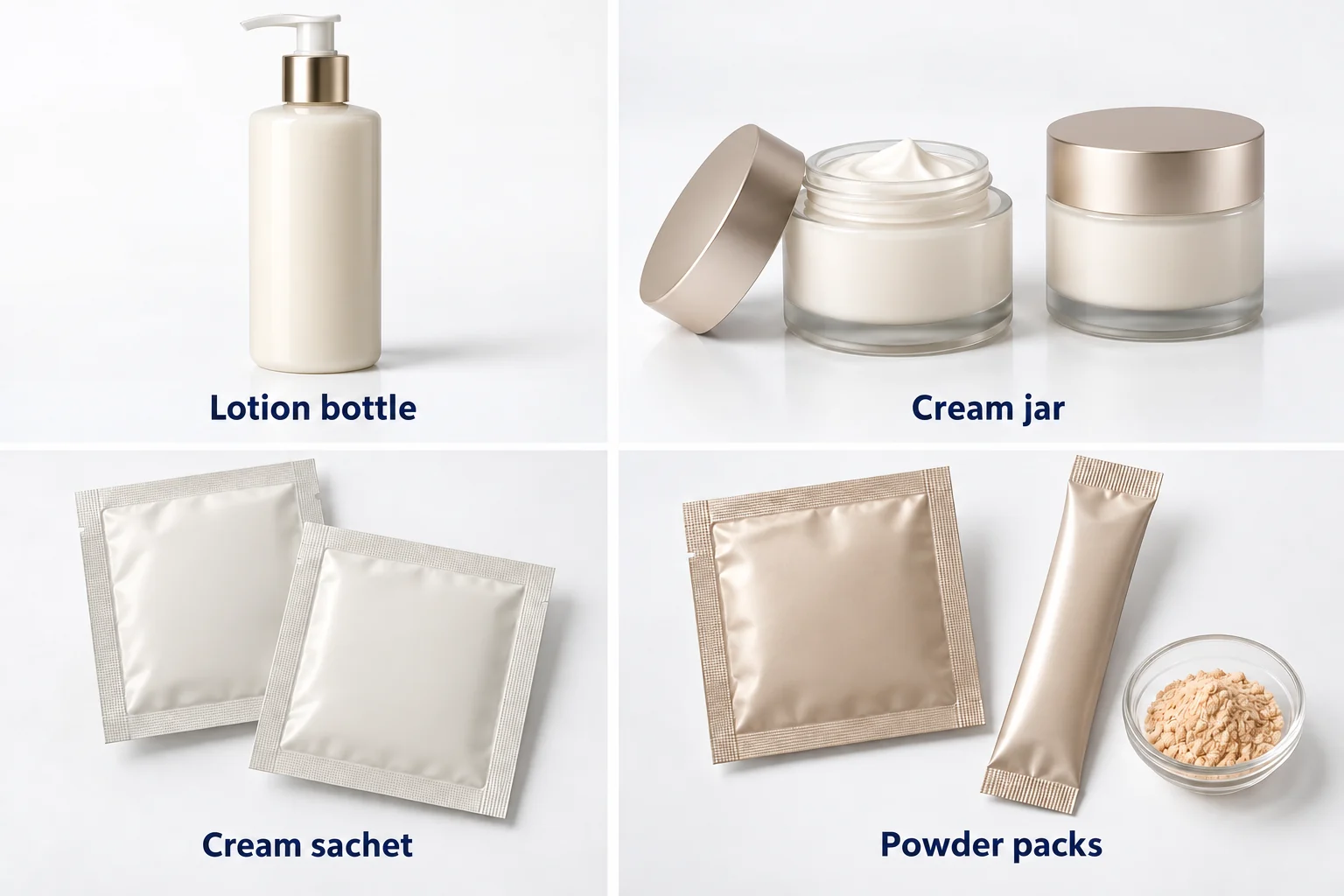
For compatible cosmetic powder bags, use powder metering and vertical rollstock bagging. For a cream sample sachet, use dosing and a seal path suited to paste. Bottles and wide-mouth jars each need compatible closures. Add cartoning after the primary pack is filled and closed when the retail format calls for it.
Indicative prices are US$5,000–30,000 for the defined powder VFFS configuration and US$15,000–45,000 for a single-lane cream sachet. Bottle filling and capping is US$12,000–50,000, cream jar filling and capping US$18,000–55,000 and a separate cartoner US$25,000–80,000 for the listed scope.
Start with the cosmetic product and its primary pack
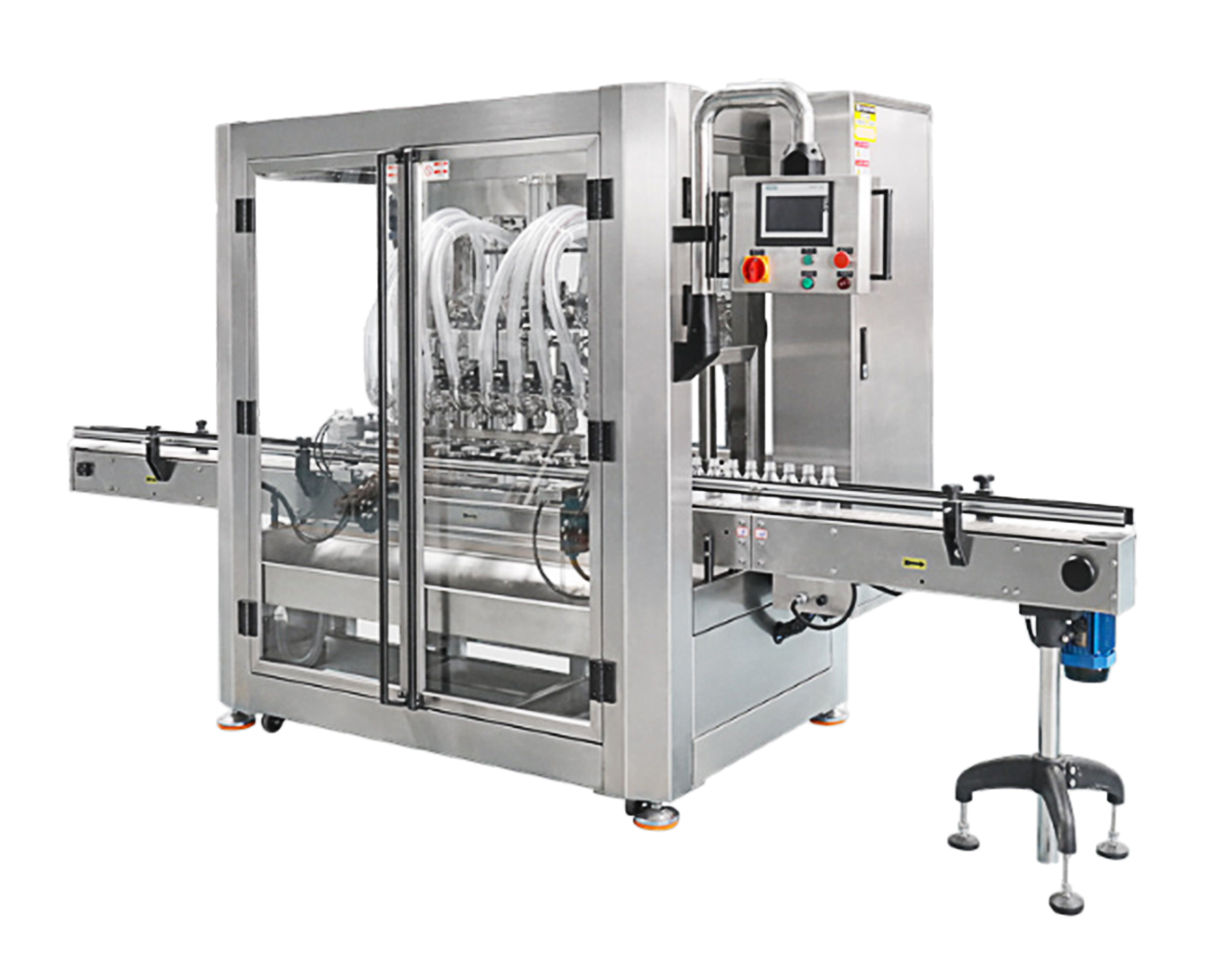
Lotion and liquid bottle filling
For a lotion, serum or other liquid cosmetic in bottles, select the filling principle and nozzle from product behaviour, dose and neck opening. The closure may be a screw cap, pump or another supplied assembly. Each has different presentation and closing requirements.
Choose this route when the bottle is the approved retail pack. A small-neck serum bottle and a larger pump lotion bottle may share some filling functions but need different handling parts. Present the complete bottle and closure family when the equipment is selected.
Cream jar and sachet filling
A cream filler meters paste into a jar or sample pack. Jar filling is followed by lid or closure application. For sachets, paste delivery must be timed with film handling and sealing. Check cutoff and product residue around the closing area in either case.
Use the actual cream to assess flow and cleaning. If the product changes with temperature or standing time, include that condition in the trial. A catalogue filling-volume range alone does not establish whether the formula will dose cleanly into the target pack.
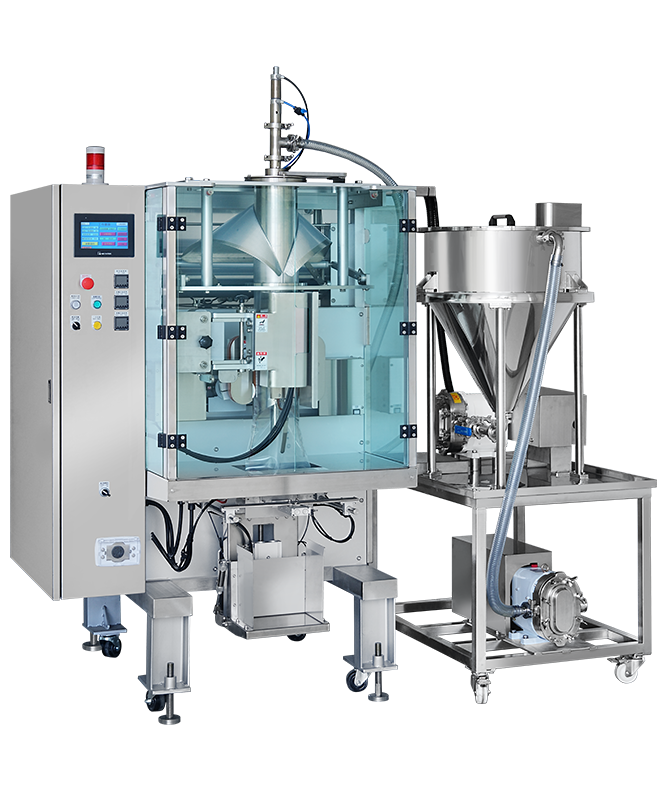
Cosmetic powder sachets and stick packs
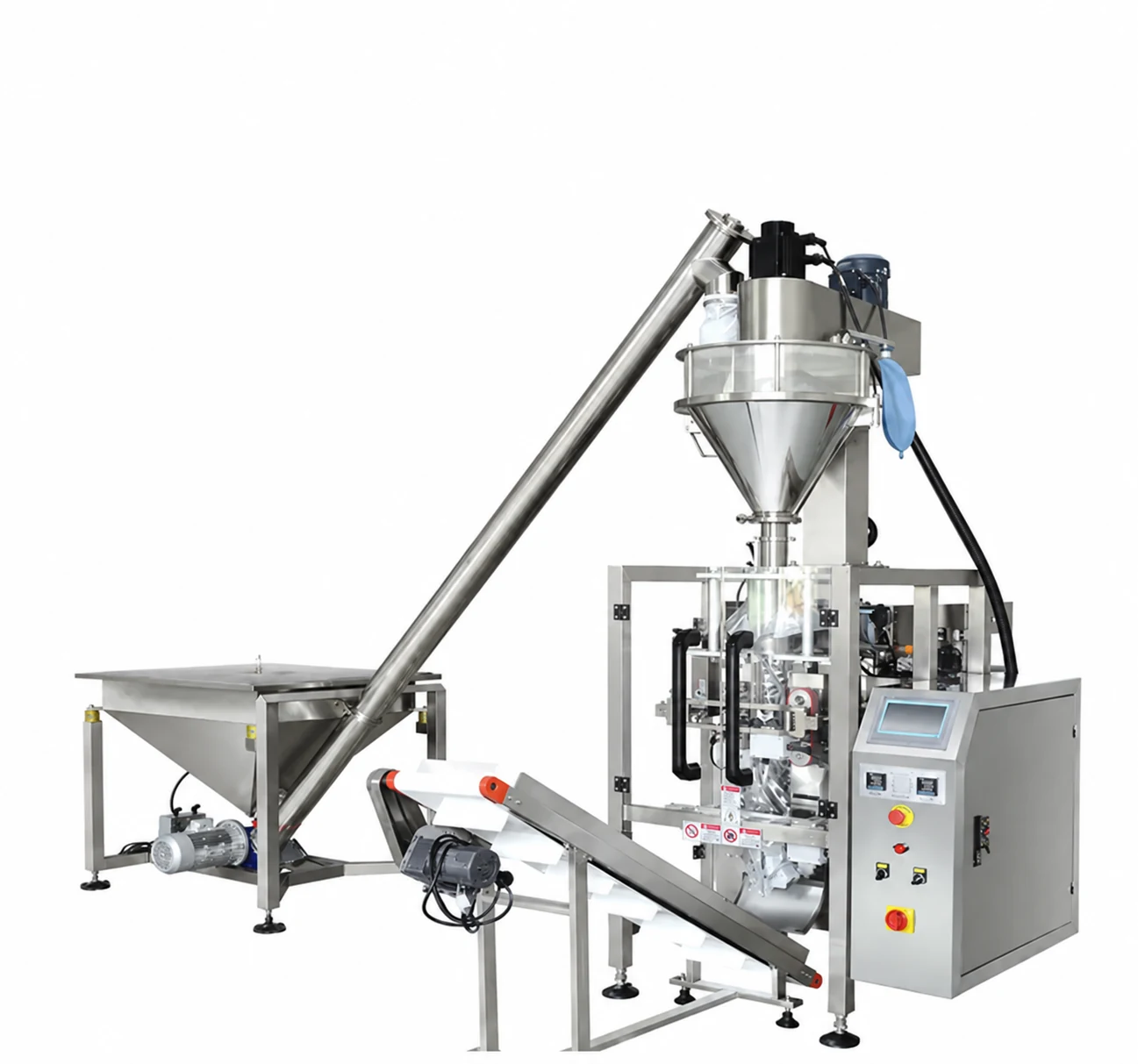
Assess fine cosmetic powder dosing from flow, bulk density and dose. Where controlled screw dosing suits the powder, pair an auger with forming and sealing equipment for the sachet or stick pack.
A broad sachet and a narrow stick need different forming parts and fill paths. Keep powder clear of the seal, and specify dust handling, contact surfaces and cleaning between products. Talcum powder has its own product requirements within this powder-filling assessment.
Match dosing and handling to cosmetic product behaviour
| Packing problem | Matched equipment or configuration | How it responds and what to check | Applicable product |
|---|---|---|---|
| Cream drips or leaves strings at the jar rim | Matched paste filler and nozzle cutoff | Control the dose and withdrawal sequence, then inspect the closing surface and the next fill. | Cream jars and sample sachets |
| Light powder reaches the sealing area | Controlled powder feed with an appropriate dosing path | Match product settling, dust handling and seal timing to the powder; weigh and inspect the finished packs. | Talcum and cosmetic powder sachets |
| A pump or cap is difficult to insert | Closure handling matched to the supplied assembly | Trial dip tubes, neck fit, torque/closing method and change parts with the complete container. | Lotion and serum bottles |
| Primary packs and cartons do not transfer reliably | Matched cartoner loader and product presentation | Set the orientation and support for the completed bottle, jar or sachet; assess any leaflet or insert separately. | Retail skin-care cartons |
Packing arrangements for lotions, cream samples and powders
| Production situation | Finished pack | Starting route | Configuration inputs |
|---|---|---|---|
| A skin-care brand launching a pump-bottle lotion | Filled and closed retail bottle | Liquid filling plus pump/closure handling | Viscosity, neck geometry and full pump assembly Change the nozzle/closure handling for a different product or pump. |
| A manufacturer making cream trial packs | Sealed cream sachet or closed small jar | Paste dosing with the selected primary-pack process | Dose, cutoff, formula temperature and closing surface A new pack format changes the closing equipment. |
| A cosmetics producer selling powder portions | Powder sachet or stick pack | Powder dosing plus matched film-forming/sealing | Bulk density, flow, dose and sealing-area cleanliness Select forming and dust handling from dose and pack geometry. |
| A finished skin-care product needs a retail carton | Primary pack inside paperboard box | Retail cartoner with suitable product loader | Product orientation, carton, insert and leaflet requirements |
Operator work from filling through cartoning
| Production mode | Operator work | Changeover implications | Acceptance focus |
|---|---|---|---|
| Assisted filling of several products | Operators present containers and manage selected closures | Less dedicated handling; more operator work per pack | Check dose, residue and closing quality for each formula |
| Automatic primary packaging | Container/film handling and filling are coordinated | Product cleaning and format parts both affect changeover | Run the smallest and largest approved formats |
| Primary packaging connected to cartoning | Transfer and retail-box loading are added | Carton and insert changes add independent setup work | Check completed primary packs through the final closed carton |
Contact materials, cleaning and formula compatibility
Specify contact materials, seals and cleaning access for each formula and process. Powders, oils, alcohol-containing liquids and creams have different requirements. Fragrance or solvent content can change compatibility and equipment needs; perfume packaging therefore needs its own product review.
Cosmetic packaging equipment prices
These planning ranges concern new equipment supplied from China for a defined product and format. Product preparation, extra formats, freight, taxes, overseas installation and site work are excluded unless expressly listed. Equipment additions and commercial terms are settled in the formal quotation. Special product-contact, safety or environmental requirements can change the scope.
| Equipment scope | Planning budget | Range applies to | Items to define separately |
|---|---|---|---|
| Defined cosmetic bottle filling/capping scope | USD 12,000 to 50,000 | Selected liquid and bottle/closure family | Pump insertion, labelling and formula preparation specified separately |
| Compatible powder VFFS configuration | USD 5,000 to 30,000 | Dry powder dosing with one matched film format | Narrow multi-lane stick packs and special containment require their own scope |
| Defined single-lane cream-sachet configuration | USD 15,000 to 45,000 | Indicative paste dosing and film sealing budget | Product heating, extra formats and multi-lane arrangements excluded |
| Retail cartoning machine | USD 25,000 to 80,000 | Defined completed product and paperboard carton | Leaflet, insert, product loading and connected-line interfaces identified explicitly |
| Cream-jar filling and capping configuration | USD 18,000 to 55,000 | One conventional wide-mouth jar, ordinary non-aseptic cream, selected dosing, jar transfer and cap placement/tightening | Mixing, heating, vacuum deaeration, foil sealing, labelling and extra formats excluded |
Add retail cartoning when the sales pack requires it
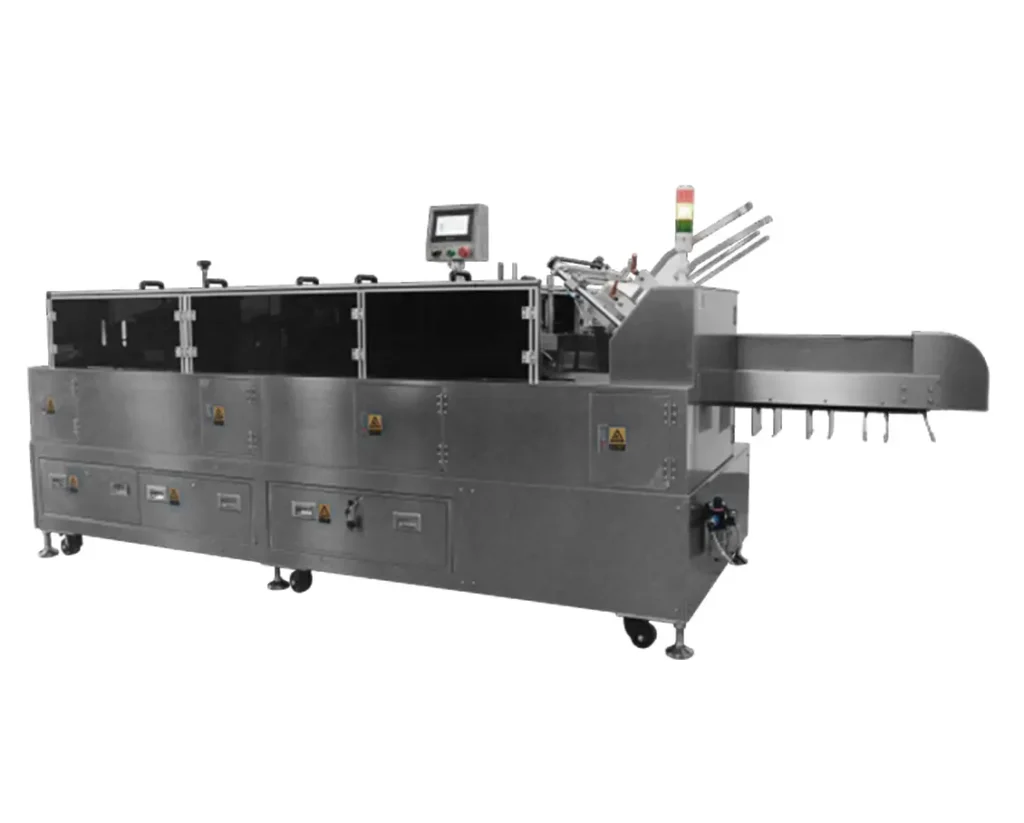
Add retail cartoning when the approved skin-care pack includes a paperboard box. A bottle can need an orientation guide or insert; a jar needs support suited to its shape; a sachet may need grouping before loading. Supply the completed primary pack, carton and any leaflet or insert. The cartoning machine is selected around that assembly and priced as a separate operation. Case packing and palletizing concern transport packaging and have their own scope.

Compare cost per finished retail pack
Calculate cost per accepted retail unit from the complete packaging bill: primary container, closure, label, carton or insert, direct labour, rejected packs and equipment allocation. Use the same bill of materials when comparing proposals. Sachet and bottle systems buy and handle different materials, so their machine prices alone cannot tell you which finished retail unit costs less.
Compare proposals on the same product and pack
| Dimension | Evidence to compare |
|---|---|
| Budget and scope | The equipment operations, product and formats represented by each price. |
| Output | Ask each supplier to distinguish the filler, primary-pack closing process and optional retail cartoning. Compare the same formula, approved container and required changeovers. |
| Product and format fit | Representative formulas and physical state, including viscosity or powder-flow information; Required acceptable output and the planned formula/SKU schedule. |
| Support | Training, contact parts, spares and the responsibilities for commissioning and support. |
| Delivery | Samples, format confirmation, layout, documentation and acceptance milestones. |
Questions to settle before ordering
Which packaging is best for skin-care products?
For machine selection, start with the formula and the approved sales pack. A lotion bottle, cream jar and sample sachet create different dosing and closure tasks. Send the target retail pack so Comwin can match the equipment to it.
Can one filler handle liquid lotion and thick cream?
If the selected pump, nozzle and contact path suit both products, shared filling may be possible with suitable settings and cleaning. Test the difficult product and define its temperature and standing condition.
Does a powder sachet machine also make stick packs?
If its forming and sealing arrangement supports the desired narrow pack, specify the appropriate format parts. Multi-lane stick production is a separate configuration and should have its own capacity and price scope.
Does a cartoner fill the cosmetic product?
A retail cartoner loads an already-filled and closed product into a paperboard box. Liquid or powder filling happens upstream. Transport case packing and palletizing are further operations to define for the project.
Request equipment for your cosmetic product range
Send formula and finished-pack photos or samples, the fill or count, and the output you need. Include these details for the proposal:
- Representative formulas and physical state, including viscosity or powder-flow information
- Target dose and all primary containers, closures or film samples
- Required acceptable output and the planned formula/SKU schedule
- Cleaning, contact-material and destination documentation requirements
- For cartoning: completed product, carton blank, insert and leaflet samples
- Coding, labelling, existing equipment interfaces and available layout
Comwin will recommend the filling and packing operations, explain the configuration and sample trial, and quote the agreed scope.
Comwin provides free sample testing and can arrange real factory visits. Small-equipment support includes video tutorials and remote video calls. The whole-machine warranty is two years, with three years for core components and remote response within 24 hours. Support and installation responsibilities are specified for the project.
Arrange free sample testing · Send your packing requirements