For hotel or travel shampoo in a heat-sealed sachet, choose the lane count from the actual dose, film and clean seal performance. A purchased refill pouch needs a matched opening and closing system. Bottles require stable presentation and a cap or pump matched to the neck.
Indicative prices are US$15,000–45,000 for a defined single-lane sachet configuration, US$40,000–80,000 for the four-lane example at 10–20 mL, US$10,000–45,000 for a compatible premade-pouch platform and US$12,000–50,000 for bottle filling and capping. Specify spout and pump handling separately.

Select a shampoo route from the finished pack
Retail bottle filling and cap handling
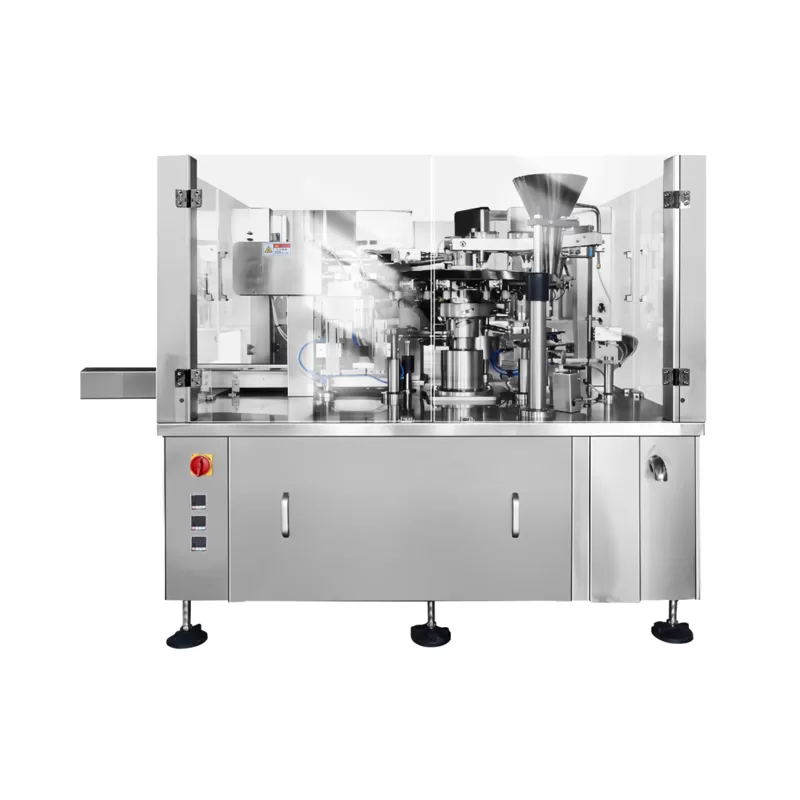
A liquid or paste filler doses the shampoo before the specified cap, flip-top closure or pump is fitted. Bottle guides and a repeatable fill height keep the nozzle positioned. Pump insertion needs separate assessment because dip-tube length and orientation affect how it enters the bottle.
Assess piston metering with the viscous shampoo you plan to fill. For a foaming formula, coordinate liquid delivery with nozzle withdrawal; a rising nozzle may help control foam. Check tip cutoff for stringing and inspect the neck before capping. These faults also depend on filling motion and cutoff, so pump choice alone will not resolve them.
This route suits a retail bottle range and projects that need several fill sizes. Share the minimum bottle neck opening, all bottle heights and the full closure family. The filler and capper must be assessed together when you compare good bottles per shift.
Travel and hotel shampoo sachets
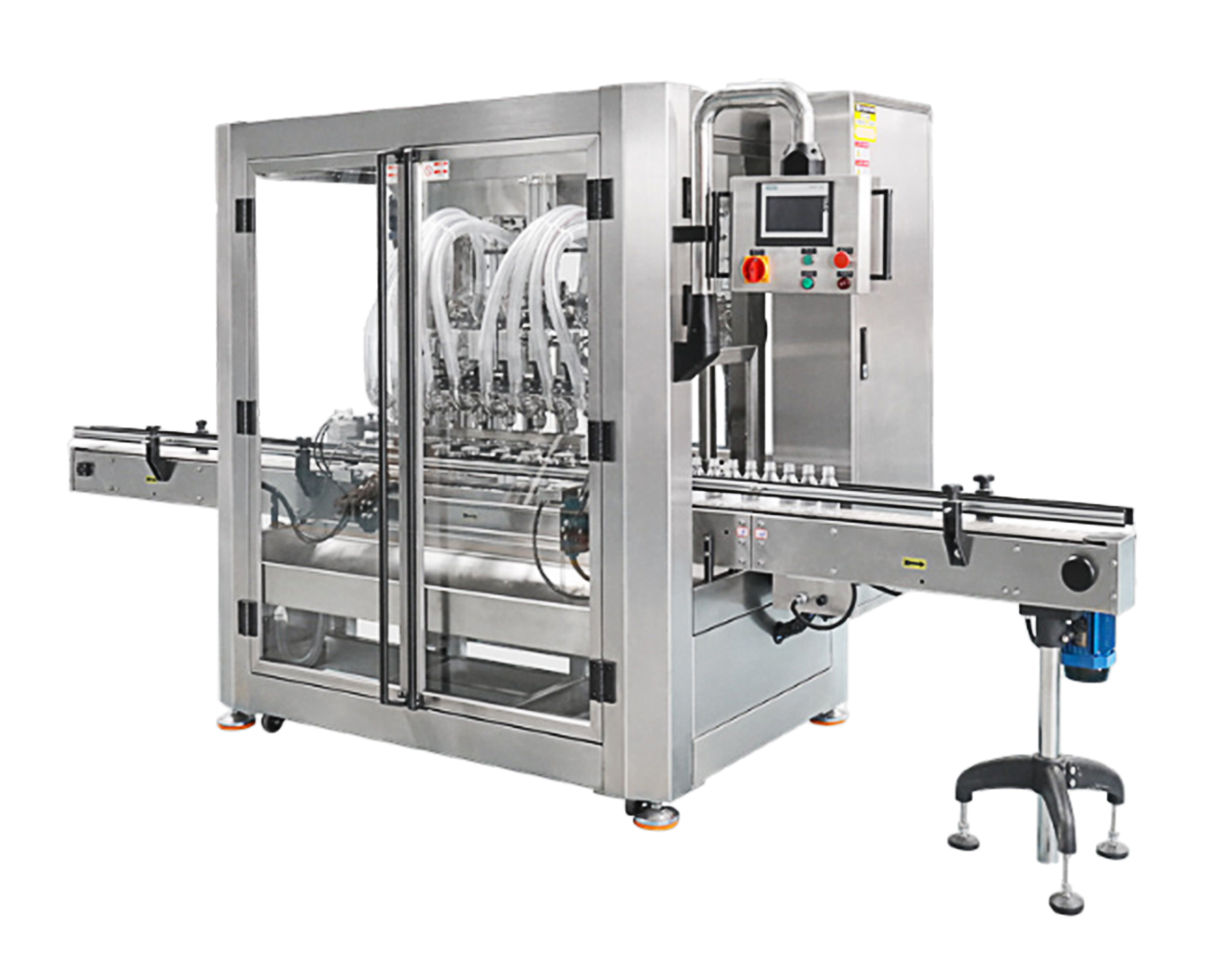
For small portions such as a 10 mL travel pack, a sachet machine meters shampoo into film formed and sealed on the machine. Select single or multiple lanes from the required total sachet output, batch size and film format.
Small fill quantities make dosing consistency and cutoff important. Shampoo left across a seal can cause leakage even when the bag looks acceptable. Run the formula at its actual filling temperature and inspect each lane after start-up, a normal stop and a product replenishment.
Premade refill-pouch filling
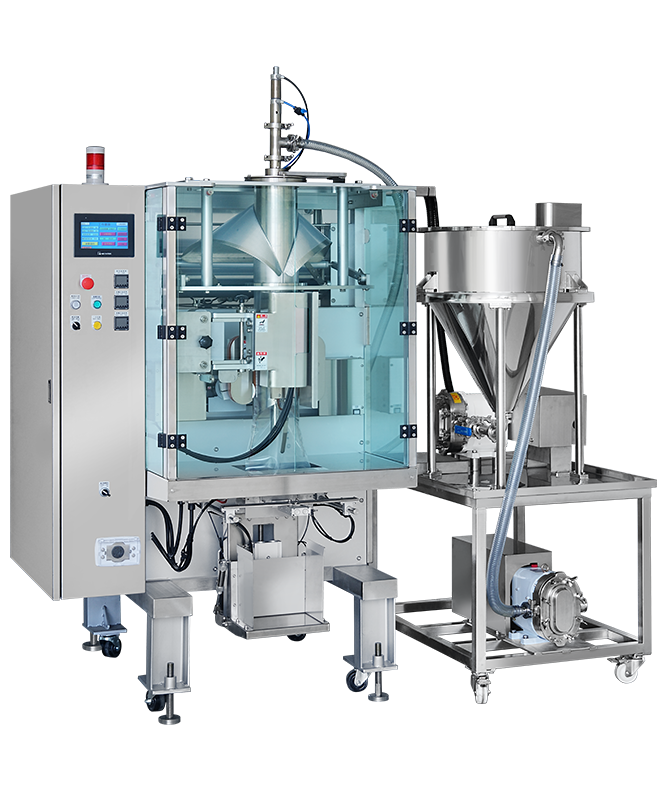
Use a pouch-handling and liquid-dosing arrangement for a defined premade refill bag. A plain top-sealed pouch and an already-spouted pouch require different filling and closing operations. The bag needs enough support while it is opened, filled and closed.
This route fits an established refill-pack design. Send bags from the intended supplier, including spout and cap samples. Confirm the filling interface before assuming that one premade-pouch machine covers both plain and spouted formats.
Manage shampoo foam, cutoff and format changes
| Packing problem | Matched equipment or configuration | How it responds and what to check | Applicable product |
|---|---|---|---|
| Foam interferes with a stable bottle fill | Controlled liquid delivery and selected nozzle movement | Use the actual formula to set filling sequence and check net contents after the agreed settling procedure. | Foaming shampoos and body-wash products |
| Viscous shampoo strings from the nozzle | Matched pump and cutoff nozzle | Assess cutoff, nozzle withdrawal and product supply; inspect the next container and the sealing area. | Creamy shampoos and small sachet doses |
| One sachet lane behaves differently | Balanced distribution and lane-by-lane setup | Inspect fill quantity, timing and seal condition on every lane, including after a stop. | Multi-lane travel-sachet production |
| Changing product or bottle size takes too long | Accessible contact path, guides and saved settings | Separate cleaning from format adjustment and confirm the required change parts. | Several formulas, bottles or sachet sizes |
Bottle ranges, hotel sachets and household refills
| Production situation | Finished pack | Starting route | Configuration inputs |
|---|---|---|---|
| A retail brand offering several bottle sizes | Capped or pump-closed shampoo bottle | Bottle filler plus matched closure handling | Neck, cap or pump geometry; fill quantity; formula behaviour Different pumps can change insertion and capping scope. |
| Hotel amenities in small repeated portions | Travel sachet | Liquid sachet machine with suitable lane count | Dose, film width, seal pattern and each-lane output Add lanes only when product supply and output justify them. |
| A household refill range | Spouted or plain refill pouch | Defined pouch filling and closure setup | Bag support, filling opening and seal or cap interface Plain top seals and spout caps need different closure operations. |
Replenishment, cleaning and format changes
| Production mode | Operator work | Changeover implications | Acceptance focus |
|---|---|---|---|
| Assisted filling | Operator loads containers and handles selected closures | Useful for variable batches; cleaning remains part of every change | Check dose, nozzle cutoff and closure quality |
| Automatic bottle or pouch operation | Operators replenish product, packaging and closures | Format parts and product cleaning both affect change time | Trial the smallest and largest formats |
| Multiple sachet lanes | Several doses are packed in parallel | Film width, lane balancing and wash/change procedures become important | Check every lane and the total acceptable output |
Formula compatibility and packaging specifications
Send Comwin a formula sample, its normal filling temperature and viscosity information. Shampoos differ in flow, foam and cleaning behaviour. Select seals, hoses and wetted parts for that formula and the cleaning method. Add heating or agitation when the product requires it.
For sachets, confirm the seal layer, laminate thickness, print repeat and opening feature with the packaging supplier. For spouted pouches, include the neck and cap drawings. Good visual appearance is one part of acceptance; net content, seal integrity and closure performance also need a defined check.
Shampoo filling and packing machine prices
These planning ranges concern new equipment supplied from China for a defined product and format. Product preparation, extra formats, freight, taxes, overseas installation and site work are excluded unless expressly listed. Equipment additions and commercial terms are settled in the formal quotation. Special product-contact, safety or environmental requirements can change the scope.
| Equipment scope | Planning budget | Range applies to | Items to define separately |
|---|---|---|---|
| Bottle filling and capping | USD 12,000 to 50,000 | Defined bottle/closure and selected shampoo filling system | Pump insertion, bottle feeding, labelling and extra sizes identified separately |
| Single-lane liquid shampoo sachet configuration | USD 15,000 to 45,000 | Indicative budget for one dose, laminate and non-aseptic product | Additional formats and specialised product handling excluded |
| Four-lane shampoo sachet configuration | USD 40,000 to 80,000 | One ordinary non-aseptic shampoo, 10 to 20 mL per sachet, one film format, metering to all four lanes and filling/sealing/cutting | Product preparation, extra formats, specialist cleaning, inspection and secondary packing excluded |
| Compatible premade-pouch platform | USD 10,000 to 45,000 | Reference only where the bag and liquid configuration match | Spout/cap handling and specific filling interfaces quoted explicitly |
Size sachet output for the available shift
For an illustrative requirement of 12,000 travel sachets during 6 available packing hours, target at least 2,000 acceptable sachets per hour. A lane-count proposal should explain that aggregate output using the actual dose and film. Compare lane setup, replenishment and cleaning as well as the short-run cycle rate.
Compare proposals on the same product and pack
| Dimension | Evidence to compare |
|---|---|
| Budget and scope | The equipment operations, product and formats represented by each price. |
| Output | Use the same shampoo formula, fill size and packaging samples in each proposal. Look for evidence from all selected lanes or closures and a workable cleaning/changeover plan. |
| Product and format fit | Shampoo/conditioner sample, filling temperature, viscosity and foam behaviour; Cap, pump, spout and neck drawings where applicable. |
| Support | Training, contact parts, spares and the responsibilities for commissioning and support. |
| Delivery | Samples, format confirmation, layout, documentation and acceptance milestones. |
Questions to settle before ordering
Can shampoo and conditioner share a filler?
If the pump, nozzle and contact materials suit both products, the same filling platform may cover them with suitable settings and cleaning. Trial the thicker and more difficult product before selecting the shared configuration.
Is a 10 mL sachet simply a small bottle-filling job?
For roll-film sachets, dosing must work with film forming and sealing. Specify the sachet structure and the liquid cutoff needed at the small dose rather than choosing from bottle volume alone.
When are multiple sachet lanes worthwhile?
When a stable format and repeat volume justify parallel operation, compare multi-lane output with its added setup and cleaning work. Frequent small batches may favour fewer lanes and simpler changes.
Can the bottle and refill-pouch range run on one machine?
They use different container handling and closing systems. Parts of product supply may be shared in a planned project, while bottle filling/capping and pouch handling remain separate equipment operations.
Get a proposal for your shampoo packs
Send the formula and finished-pack photos or samples, the fill or count, and your required output. For the equipment proposal, include:
- Shampoo/conditioner sample, filling temperature, viscosity and foam behaviour
- Fill volume range and every target bottle or pouch sample
- Cap, pump, spout and neck drawings where applicable
- Sachet dimensions, laminate, print repeat and target lane/output requirement
- SKU schedule, cleaning procedure and changeover expectations
- Coding/label requirements, destination, utilities and available space
Comwin will recommend the dosing, filling and closing operations, explain the configuration and sample trial, and quote the agreed scope.
Comwin provides free sample testing and can arrange real factory visits. Small-equipment support includes video tutorials and remote video calls. The whole-machine warranty is two years, with three years for core components and remote response within 24 hours. Support and installation responsibilities are specified for the project.
Arrange free sample testing · Send your packing requirements