
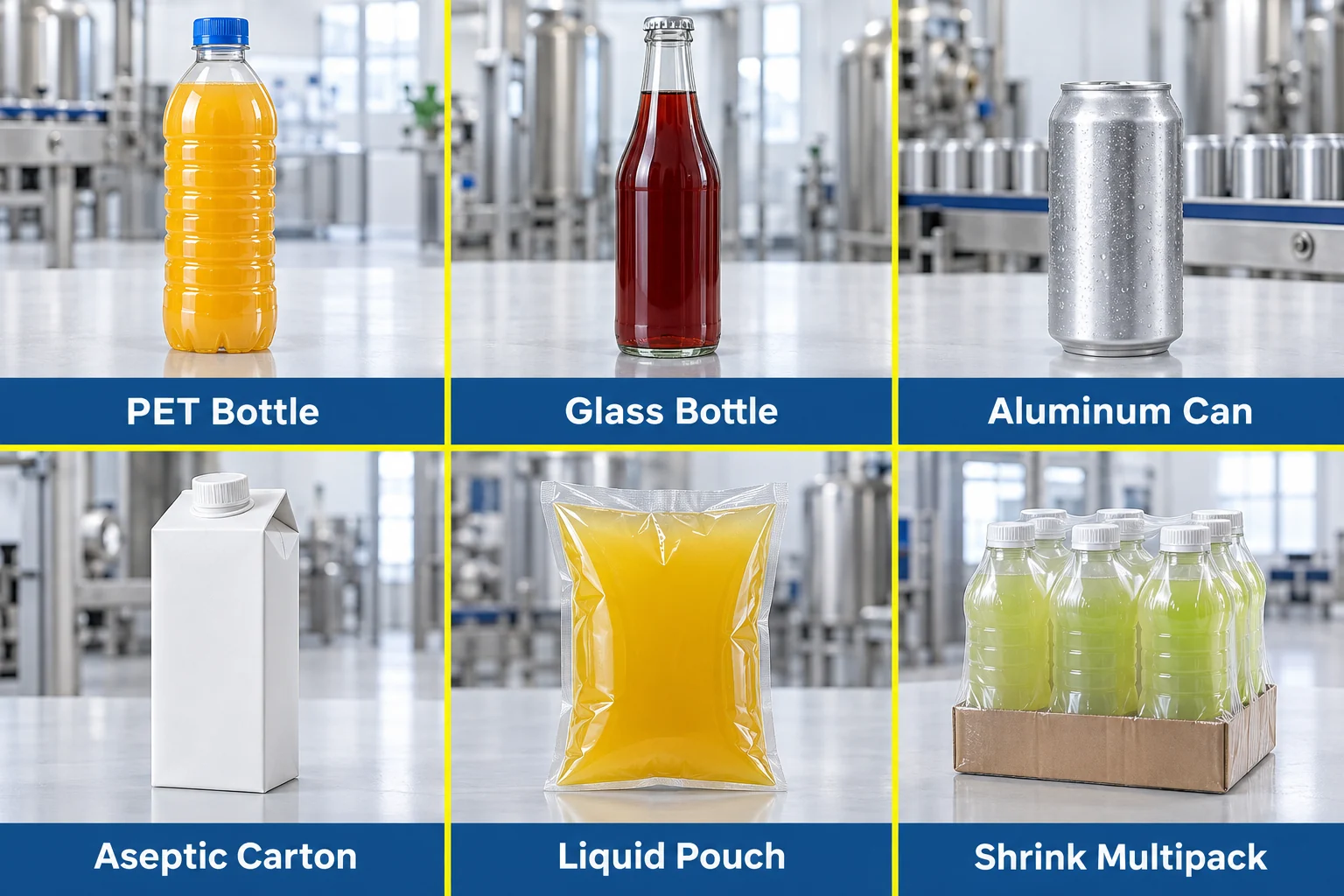
As a beverage packaging equipment manufacturer in China, Comwin matches each drink packaging machine to the product, finished package, accepted output and factory conditions. We supply configurable standalone equipment and coordinated lines rather than treating every beverage as the same filling job.
1. Equipment Selection Guide: Choose Your Comwin Solution
Start with the package you want to sell. We recommend the following equipment combinations, then match dosing, product handling and closing to your beverage samples.
Solution A: Liquid VFFS for economical drink sachets
Best for: still water and suitable thin drinks in roll-film sachets or pillow bags. The machine forms the film into a bag, doses the liquid and seals the pack.
Why choose it: this is our recommended starting point when material cost per serving matters most. We select the liquid dosing unit, film handling and sealing configuration around your drink and pack size. Different seal formats may require different machine configurations.
Solution B: Premade or spouted pouch filling for premium drinks
Best for: juice, smoothies and liquid jelly in stand-up or spouted pouches. Choose premade-pouch filling and top sealing for open-top bags, or matched spout filling and capping for capped packs.
Why choose it: select this route when shelf presentation or a reclosable spout justifies the pouch cost. For thick or pulpy drinks, we match the pump, passages and nozzle to your recipe. Explore our bagged packaging solutions and send your pouch for a filling trial.
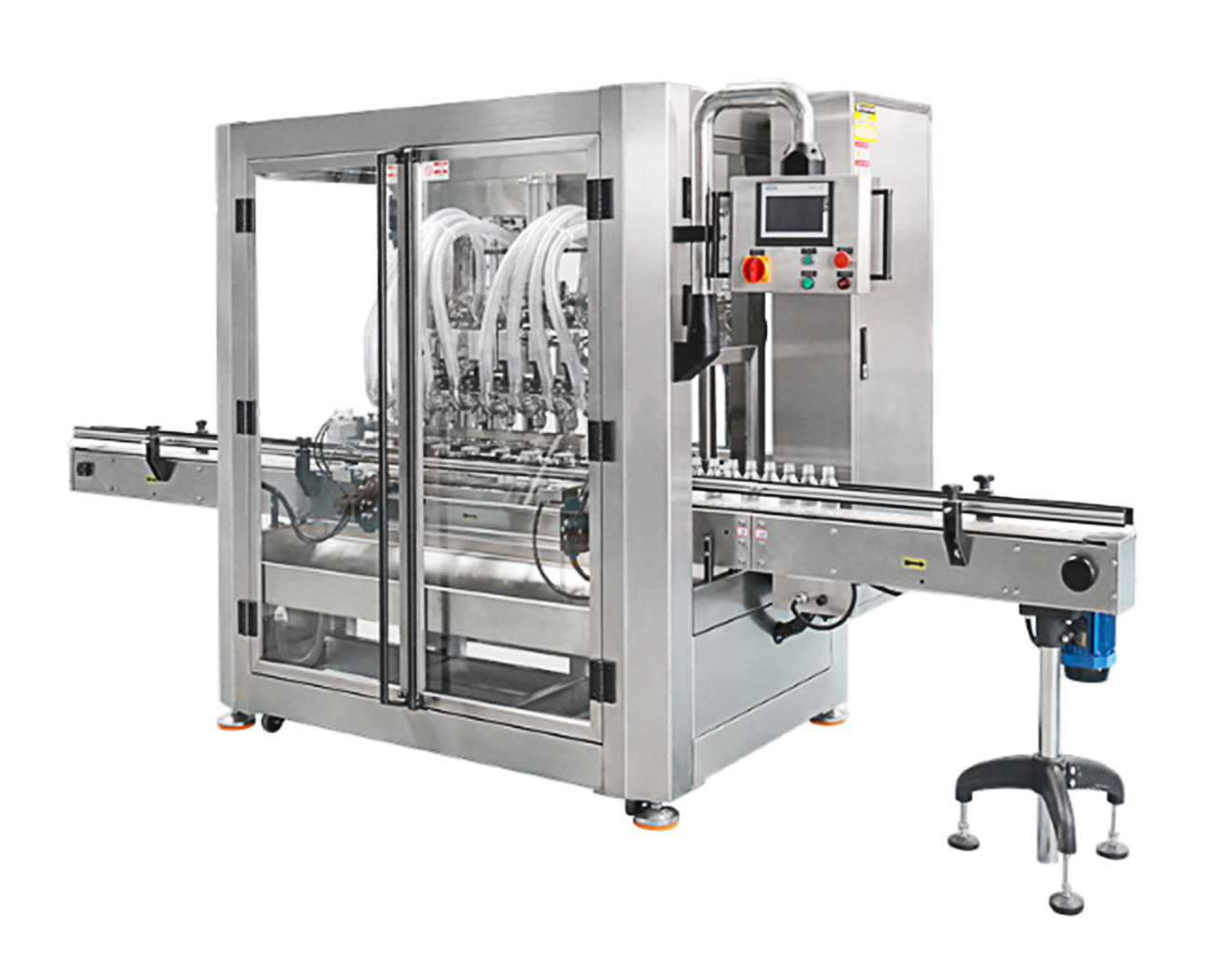
Solution C: Bottle filling and capping for ready-to-drink beverages
Best for: water and still drinks in PET or glass bottles. Our bottle filling and sealing equipment combines dosing with matched bottle positioning and closure handling.
Why choose it: this suits conventional bottled distribution and upgrades from manual filling or capping. We specify filling shutoff, guides and cap tooling together. Carbonated drinks need a separately specified pressure-compatible filling route.
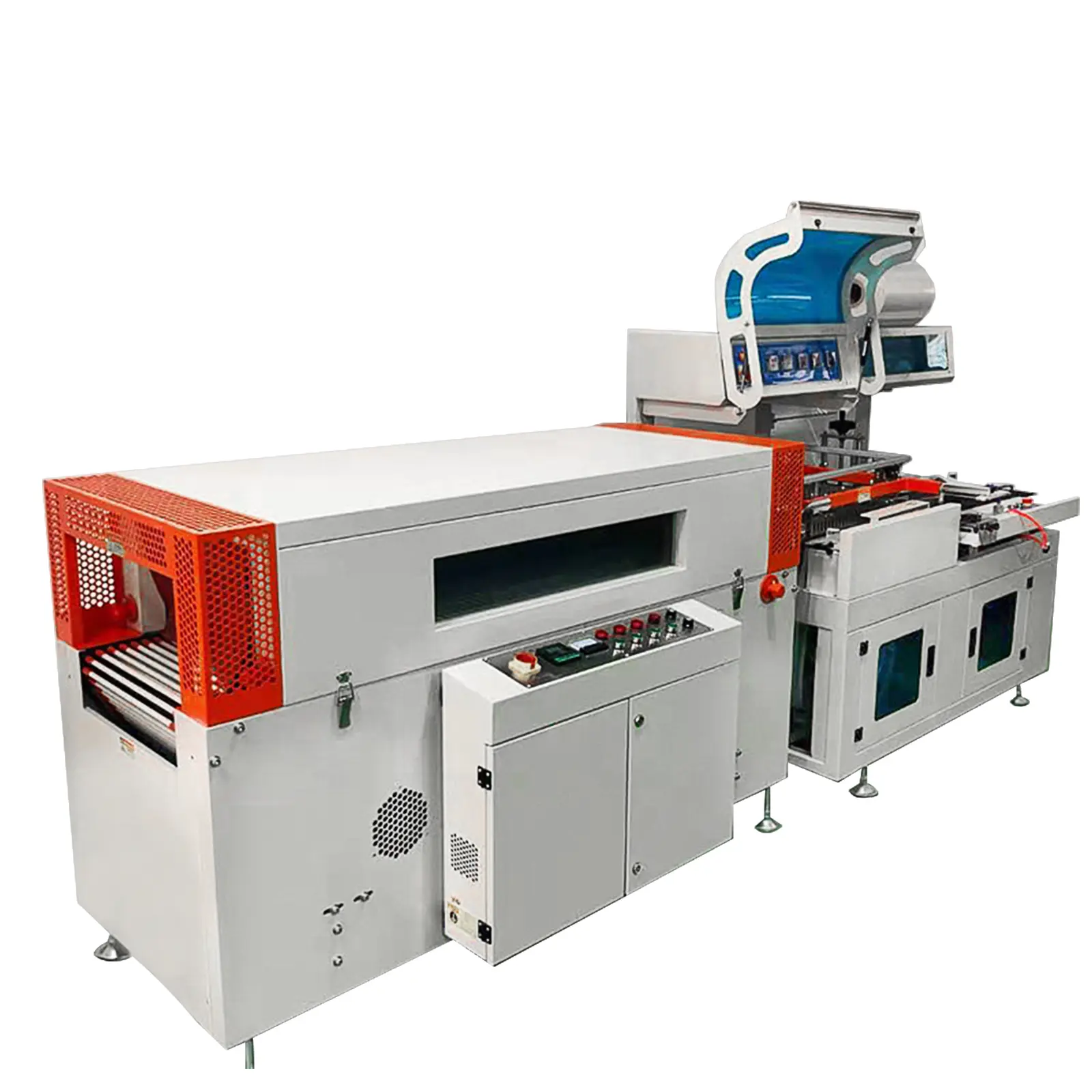
Solution D: Shrink bundling and case packing for the finished line
Best for: factories where filled packs accumulate before bundling or shipment. Choose shrink wrapping for retail bottle multipacks, or case loading and sealing for shipping cartons.
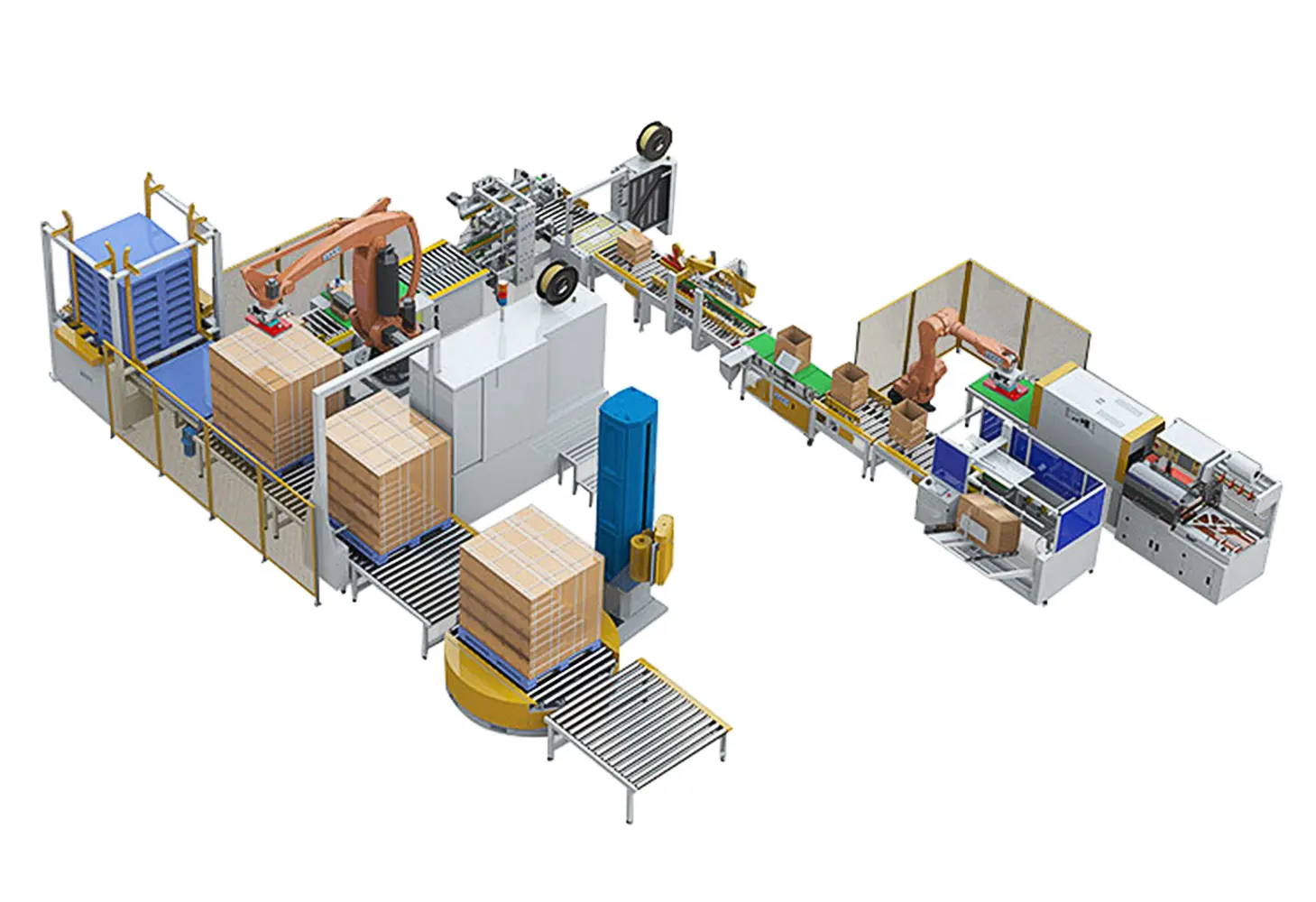
Why choose it: this addresses the handling step that limits dispatch. Our filling-product packaging line can combine your primary machine with conveying, inspection and final packing. We quote the modules your project needs.
2. Your Pain Points and Our Recommended Solutions
Find the issue closest to your line. Each row names the equipment and configuration we recommend.
| Your problem | Recommended solution | How it helps | Best fit |
|---|---|---|---|
| High cost per sachet | A: Liquid VFFS with roll-film forming and sealing | Forms packs from roll film; compare film consumption and cost per accepted pack with premade bags. | Standard water or still-drink sachets |
| Weak shelf presentation | B: Premade-pouch filler or spout filling and capping | Supports the selected stand-up shape or reclosable spout for a differentiated retail pack. | Premium juice and sports drinks |
| Drips contaminate pouch seals | B: Pouch filler with matched shutoff nozzle and pouch support | Controls liquid cutoff and nozzle withdrawal to help keep the seal area clear; settings are established with samples. | Liquid pouches with sealing rejects |
| Thick drinks block or slow filling | B: Premade-pouch system with product-matched pump and passages | Sizes the product path for viscosity and particles; trials check flow and dose consistency. | Smoothies, puree and liquid jelly |
| Manual bottle filling cannot keep pace | C: Coordinated bottle filler and capper | Combines dosing, bottle positioning and closure handling; a trial establishes accepted bottles per hour. | Bottled water and still drinks |
| Too much manual retail bundling | D: Heat-shrink wrapper and tunnel | Groups filled bottles into the selected retail pattern and applies shrink film. | Bottle multipacks |
| Pouches pile up before shipment | D: Automatic case packer with matched infeed and sealing | Organizes and loads finished packs into cases, reducing repetitive manual case loading. | Pouch lines supplying distributors |
3. Beverage Applications: Match Your Product to Our Solution
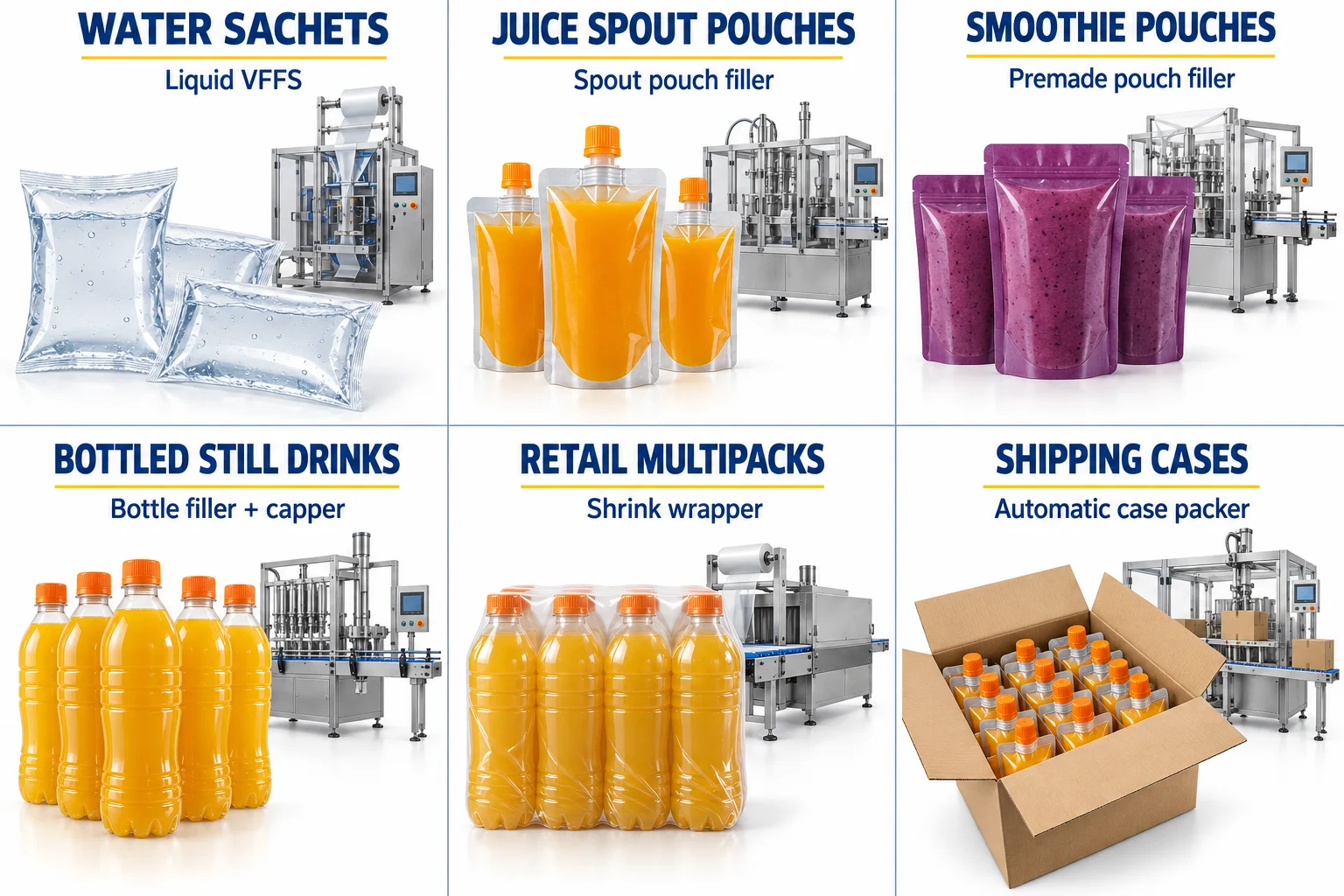
- Water in small sealed sachets → Solution A. We recommend liquid VFFS for economical roll-film servings. Send the sachet volume and film sample so we can match dosing and sealing.
- Juice in reclosable spout pouches → Solution B. We recommend spout-compatible filling and capping for on-the-go packs. Your pouch and cap determine the feeding and closing tooling.
- Smoothies or liquid jelly in stand-up pouches → Solution B. We recommend premade-pouch handling with a pump and product path selected for the recipe, combining retail presentation with filling suited to thicker drinks.
- Water or still juice in retail bottles → Solution C. We recommend filling and capping with labeling or coding as required. This is a practical upgrade when manual dosing and cap handling constrain production.
- Bottles sold as retail multipacks → Solution D. Add shrink wrapping after filling and labeling. Specify the bottle count and layout so grouping and tunnel performance can be checked.
- Filled pouches shipped to distributors → Solution D. Add a case packer and sealer. We use the pouch orientation, count per case and carton sample to match the loading arrangement.
Need help choosing? Send your product and packaging samples for free testing. We will recommend the primary machine and downstream modules for your output and budget.
Single Machine or Complete Beverage Packaging Line?
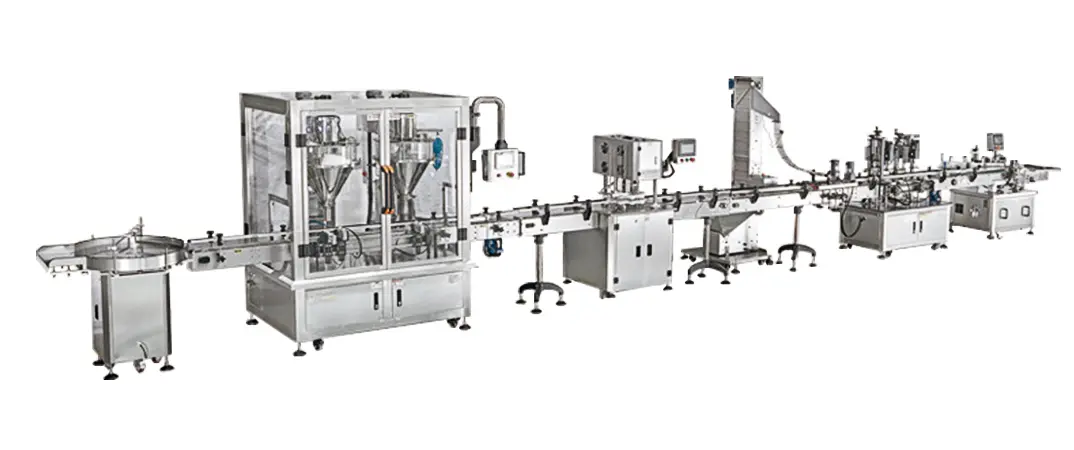
Buy a single machine when the upstream and downstream interfaces are already stable. Choose a coordinated line when a new project needs shared controls, accumulation, speed balancing and one accepted final output. A realistic line may begin with product preparation and finish with a transport-ready pallet. Comwin can configure OEM/ODM changes around verified packages, plant interfaces and the agreed acceptance method; customization does not mean that one universal machine can run every format.
| Stage | Typical equipment | Output evidence | Scope question |
|---|---|---|---|
| Product preparation | Water treatment, mixing, carbonation, pasteurization, UHT or holding as required. | Validated product condition at the filler inlet. | Who owns the recipe process and hygienic interface? |
| Container preparation | Depalletizer, rinser, bottle washer, blow moulder or cup/pouch/carton feed. | Clean, undamaged containers at stable flow. | Are empty containers supplied or made on site? |
| Primary packaging | Filler plus capper, crowner, seamer, carton sealer, cup sealer or pouch sealer. | Fill level/weight and closure integrity on saleable packs. | What product, package and accepted speed define the FAT? |
| Decoration and inspection | Labeling, coding, fill/closure inspection, checkweighing and reject handling. | Readable code and agreed reject criteria. | Which defects must be detected and recorded? |
| Secondary packaging | Shrink bundling, tray packing, case packing and case sealing. | Correct retail or shipping pattern. | Is the final pack film-only, tray-and-film or corrugated case? |
| Pallet and data | Palletizing, stretch wrapping, conveyors, line controls and production data. | Stable accumulation and dispatch-ready pallet. | What interfaces, reports and upstream/downstream signals are required? |
Drink Packaging Machine Budget
Package technology and project boundary drive cost more than the words “drink” or “beverage.” The ranges below help you budget for the Comwin equipment relevant to your project.
| Reference | Planning range | Scope | How to use it |
|---|---|---|---|
| Comwin liquid VFFS machine | US$5,000–30,000 | Roll-film pouch forming, liquid dosing, sealing and cutting. | For a defined flexible liquid pack; process and shelf-life equipment may be separate. |
| Comwin bottle filling and capping machine | US$12,000–50,000 | Configured filling and closing equipment for an agreed bottle, cap and beverage. | Compare only after the fill method, output and hygiene scope are fixed. |
| Comwin heat-shrink packaging machine | US$5,000–20,000 | Shrink film application and tunnel for suitable bottles, cans or retail packs. | This is downstream equipment, not the beverage filler. |
| Comwin automatic case packer | US$25,000–80,000 | Automatic loading of agreed finished packs into shipping cases. | Case erection, sealing, coding and palletizing must be itemized. |
| Comwin filling-product packaging line | US$80,000–500,000+ | A coordinated project that can combine filling, closing, labeling, inspection and final packing. | Use for capital planning; confirm every included module and FAT condition. |
| Krones, Sidel, KHS and Tetra Pak / Europe | Quote-based | High-output bottle, can or specialist carton systems, depending on supplier. | Compare performance guarantee, validation, documentation, lifecycle service and consumables. |
These Comwin ranges are experience-based budget references rather than binding quotations or market averages. Freight, tax, molds/change parts, installation, validation and local compliance are included only when the quotation states them. Compare itemized modules under the same commercial terms.
Plan Secondary Packaging Around the Sales Unit
The primary package protects the drink; secondary packaging creates a retail bundle or shipping unit. Bottles and cans may move into film-only bundles, tray-and-film packs or corrugated cases. The correct choice depends on distribution, shelf presentation and pallet stability. Compare a heat-shrink packaging machine with an automatic case packer only after the finished sales unit and shipping pattern are fixed.
Information Required for a Useful Quotation
| Input | Provide | Why it changes the proposal |
|---|---|---|
| Beverage | Product category, pH/acidity, viscosity, particles/pulp, carbonation, foam and fill temperature. | Selects treatment interface, filler principle, product path and cleaning method. |
| Primary package | PET or glass bottle, can, carton, cup or pouch; dimensions, volume, material, closure and samples. | Selects the machine family, change parts and closing system. |
| Shelf life | Ambient or chilled distribution, target shelf life and validated preservation method. | Defines hot-fill, cold-fill, aseptic or other hygienic requirements. |
| Accepted output | Saleable containers per hour for every format and recipe, including normal rejects. | Sets valve/lane count, buffers, downstream capacity and FAT target. |
| Final pack | Label/code, pack pattern, tray/film/case details and pallet layout. | Defines labeling, shrink, case packing and palletizing scope. |
| Factory and support | Layout, utilities, standards, documents, installation plan, spares and local service needs. | Defines interfaces, contract boundary and landed project cost. |
Representative product and packaging samples allow Comwin to evaluate flow, foaming, seal or closure behavior and changeover needs. Test the most difficult recipe and package—not only the easiest format.
Customization and Project Support
Customization should solve a documented production requirement. Typical engineering work may involve product-contact paths, filling method, container guides and change parts, closure tooling, guarding, inspection, line direction, controls and upstream/downstream interfaces. The proposal should identify standard equipment, project-specific work, options and exclusions.
- Before engineering: review the drink, package samples, drawings, output target, utilities and layout.
- Before shipment: run the agreed product and package under a defined FAT method.
- For support: small machines can use video tutorials and remote video calls. Machines carry a two-year warranty, core components three years, with remote response within 24 hours.
Factory Acceptance Criteria
Define the FAT around saleable output: stable fill quantity, controlled foam or carbonation, closure/seam/seal integrity, readable code, agreed rejects, changeover and cleaning. For a complete line, measure accepted packs per hour during a stated run with normal stops and rejects. Sensitive and aseptic beverages also need process and microbiological validation beyond a mechanical FAT.
Frequently Asked Questions
What machine do I need for bottled beverages?
Start with the beverage and bottle. Still products may use atmospheric or gravity filling; carbonated products normally need counter-pressure filling; hot-fill and aseptic products require compatible containers and validated process controls. Then add capping, labeling and final packing.
Can one beverage packaging machine run PET bottles, glass bottles and cans?
Usually not as one universal primary machine. PET and glass may share parts of a line only when handling and filling conditions are compatible, while cans require a seamer and dedicated conveyance. A shared downstream packer may handle multiple formats with change parts.
How do I compare beverage packaging machine prices?
Normalize the product process, primary filler/closer, output, inspection, labeling, secondary packing, controls, FAT, installation and commercial terms. A low single-machine listing cannot be compared with an accepted complete-line proposal.
Should I use shrink film or corrugated cases?
Use shrink bundles when the container and distribution system support economical visible multipacks. Choose cases when protection, stacking, concealment or retailer logistics require corrugated packaging. Tray-and-film provides an intermediate option.
Can Comwin test my drink and package?
Yes. Send representative samples, including the foamiest, most viscous or most particulate product. Testing helps determine the product path, filler, seal/closure controls, shared configuration and required change parts.
Request a Factory-Matched Beverage Packaging Proposal
Use our contact page to send:
- the beverage specification and preservation or shelf-life route;
- container, closure or pouch drawings plus representative samples;
- the required saleable output for every format;
- the final bundle, case and pallet pattern; and
- layout, utilities, standards and installation destination.
Comwin will use these inputs to separate the recommended primary machine, inspection, secondary packaging, change parts, options and exclusions. Free sample testing and real-factory visits are available for suitable projects.