Compare individual wrapping finishes
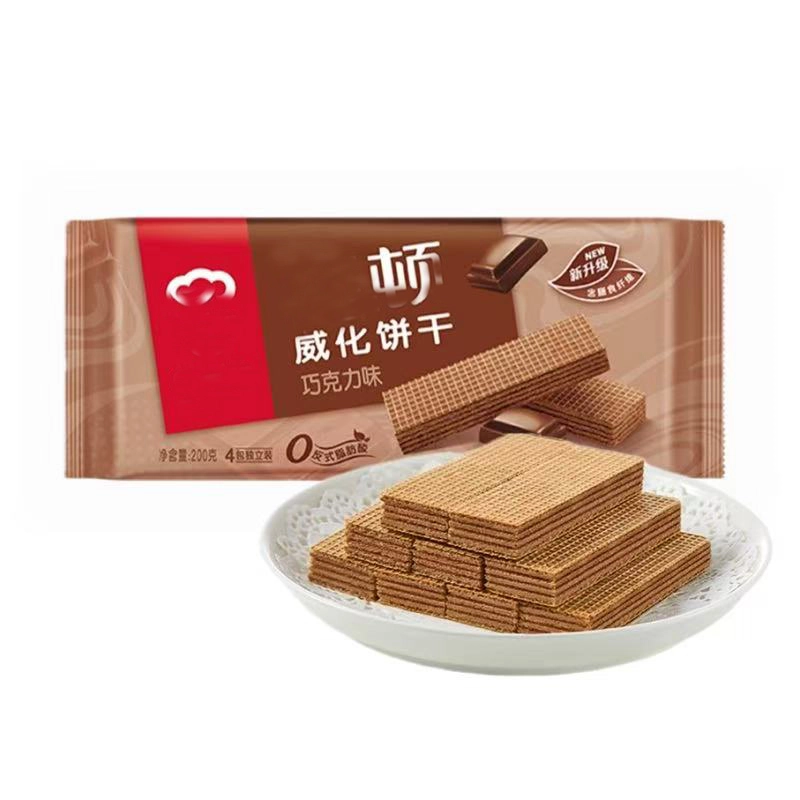
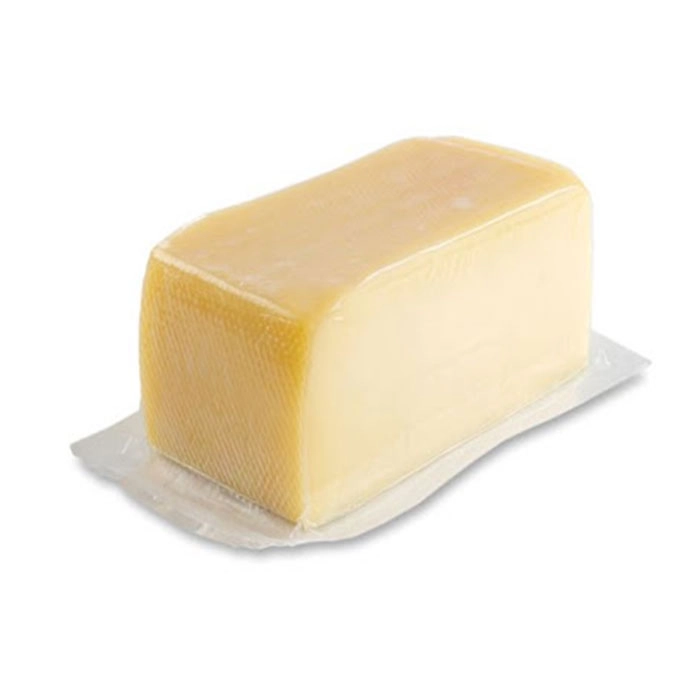
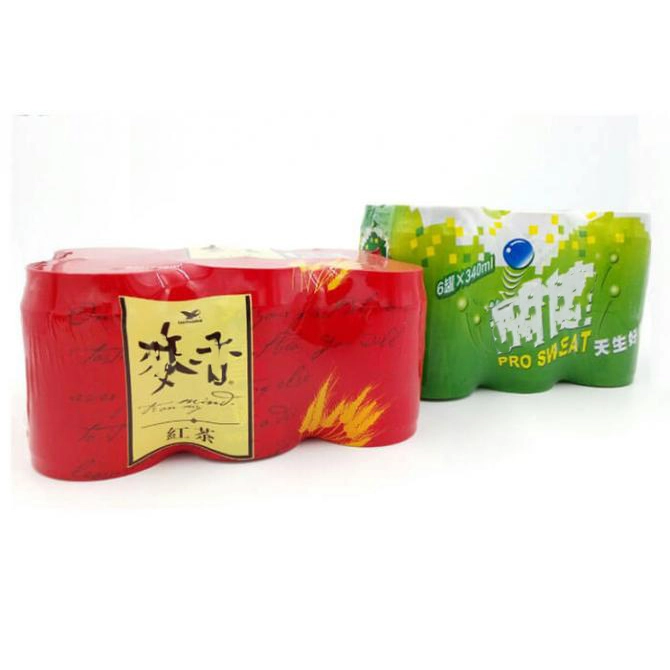
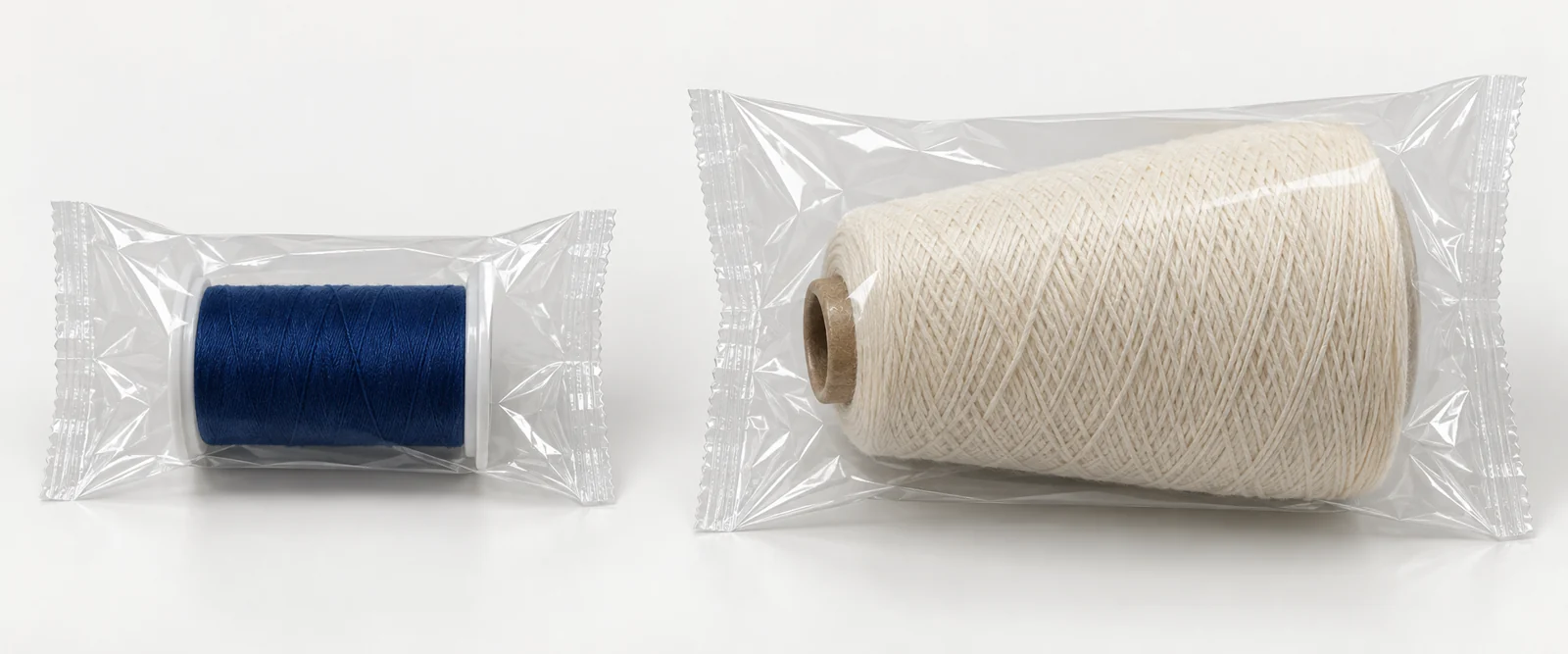
A closed pillow pack covers the outer winding without a shrink step. If the customer requires a visible core or a tight outline, compare the specified core protection or shrink finish on the same spool. Inspect the thread after opening the sample to find marks that were hidden by film.
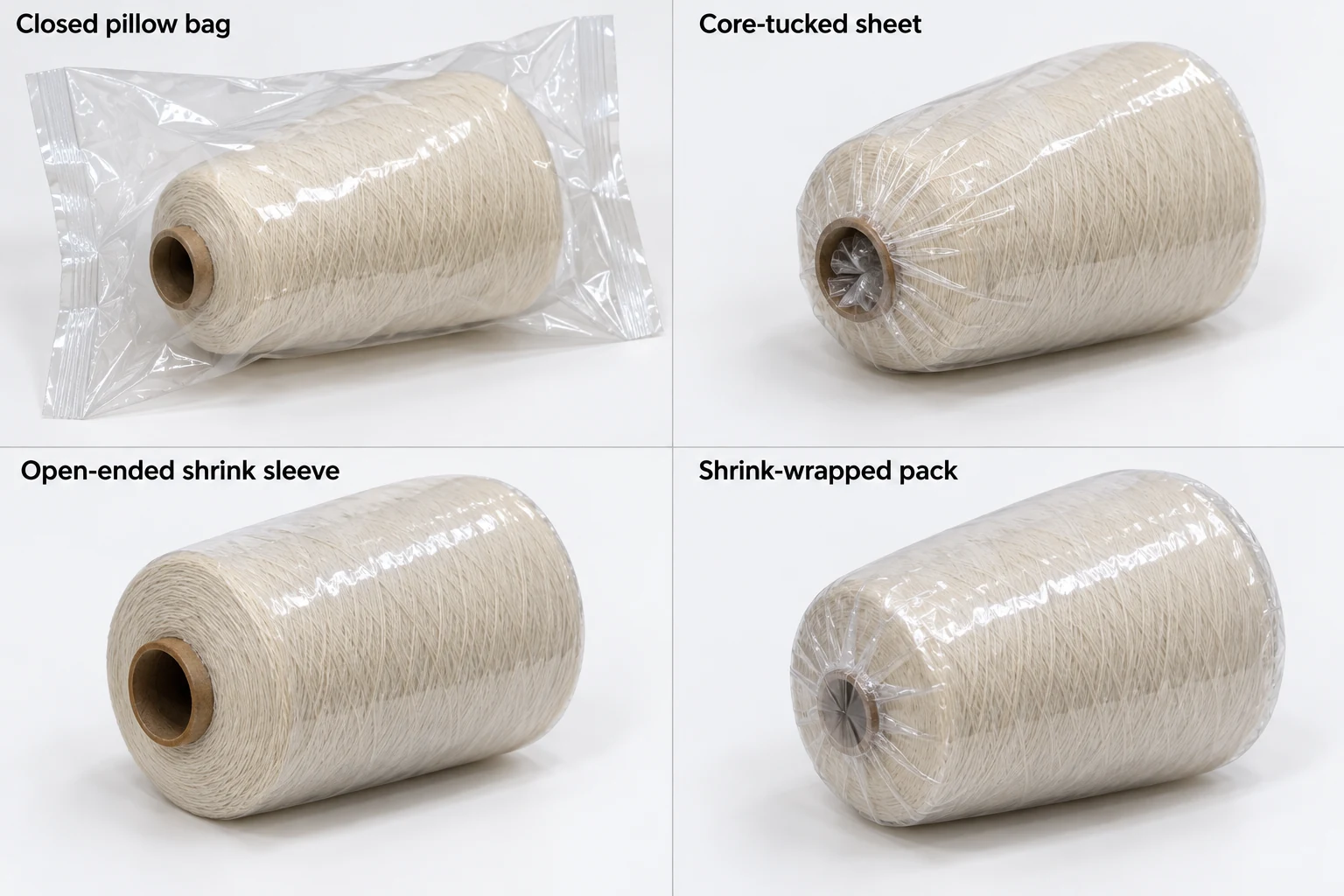
| Finished wrap | Coverage and process | When to assess this finish |
|---|---|---|
| Closed non-shrink pillow bag | Longitudinal and transverse seals enclose the product with clearance. No shrink-heating stage. | When the customer needs a closed outer bag and the product is to be packed without a shrink-heating stage. The budgets below concern this route. |
| Core-tucked sheet | Sheet covers the cone; surplus film is retained inside the hollow core. The tuck is not a welded closure. | When the specified pack uses film retained inside the hollow core and the customer accepts a tucked end. Confirm that the core can receive the film and that it can be removed as intended. |
| Open-ended shrink sleeve | Heat contracts the sleeve around the side; the illustrated ends remain open. | When a close-fitting side wrap and accessible core openings suit the required handling. Check that the yarn, core and label tolerate the shrink process. |
| Shrink-wrapped pack | Film contracts to the product. Specify actual seams, end coverage and any vents; the illustration shows coverage, not a seal drawing. | When the required pack combines a close fit with specified end coverage. Agree the seams, vents and opening method, then check the product after heating. |
Support the winding through the film path
Check the actual spool or cone before choosing the machine
A proposed setup needs a product-specific layout showing the sample profile, contact areas and clearances. Until dimensions and trials establish that fit, a general wrapper photo cannot show that a large cone will pass through it.During a sample transfer, observe the cone at the change between supports. If it rotates or the narrow end drifts, adjust the orientation and guiding arrangement before wrapping. Inspect the unpacked yarn for contact marks and pulled loops. A stable empty core is not a substitute for the normal wound product.1. Measure the complete profileRecord maximum wound diameter, height, projecting core and weight, including normal variation.
2. Choose working orientationA cone on its side may drift; an upright cone may tip at transfer. Observe the actual sample.
3. Locate support surfacesUse suitable rigid flanges/core surfaces where available; otherwise support the winding without snagging or flattening it.
4. Check the full passageConfirm support across transfer gaps and space through film forming, sealing and discharge.
Keep spools and cones as the main handling tasks
Small sewing-thread spools
For one rigid spool, keep the bag clear of its flanges and hold the tail inside the product profile. For a fixed multipack, retain the group until the film holds it. A colour assortment needs the specified colours supplied; correct quantity alone does not establish the right assortment.Yarn cones for textile production
A thread cone packing machine needs the end secured and the lot label positioned before transfer. Use surfaces that can tolerate guidance and support the cone through discharge. Cotton crochet yarn wound on a rigid cone follows this cone-handling assessment.At a lot change, clear remaining cones and incomplete groups from the previous batch. Identify how a rejected cone is segregated. Batch separation, mechanical counting and automatic identification are different controls.Soft balls and skeins are a different handling task. If that is how your yarn arrives, submit that product form for a separate support and restraint review. The cone and spool samples in this article do not demonstrate suitability for soft balls.Inspect the thread after opening the pack
| Problem | Configuration to examine | Result to inspect |
|---|---|---|
| Loose yarn reaches the seal or cutter | End retention and clearance through guides and film forming | A secure end that remains accessible after opening |
| Cone tips or turns during transfer | Working orientation, product support and transfer gaps | Stable position through bag formation and discharge |
| Winding is flattened or snagged | Contact pressure, surface friction and film tightness | Acceptable surface and winding condition after unpacking |
| Correct-count packs contain mixed lots | Batch separation, identification and rejected-product handling | The agreed lot in each released pack or group |
Budgets for non-shrink spool and cone flow wrapping
These October 2026 allowances concern new China-supplied equipment for one approved, end-retained rigid spool or a cone demonstrated to fit the selected support and film path. Both rows produce a closed non-shrink pillow bag. They do not price the other three finishes in the comparison.| Planning allowance | Machine work | Incoming product and operator duties |
|---|---|---|
| US$5,000 to 25,000 Non-shrink pillow wrapper | Specified infeed support, film forming, sealing and discharge | Operators place finished spools or cones with the end already retained. |
| US$15,000 to 45,000 Non-shrink feed and wrap section | Agreed transfer and orientation/support arrangement, wrapper and basic controls | Products enter in the specified orderly condition. The offer identifies replenishment and any remaining manual positioning. |
The common wrapping operation
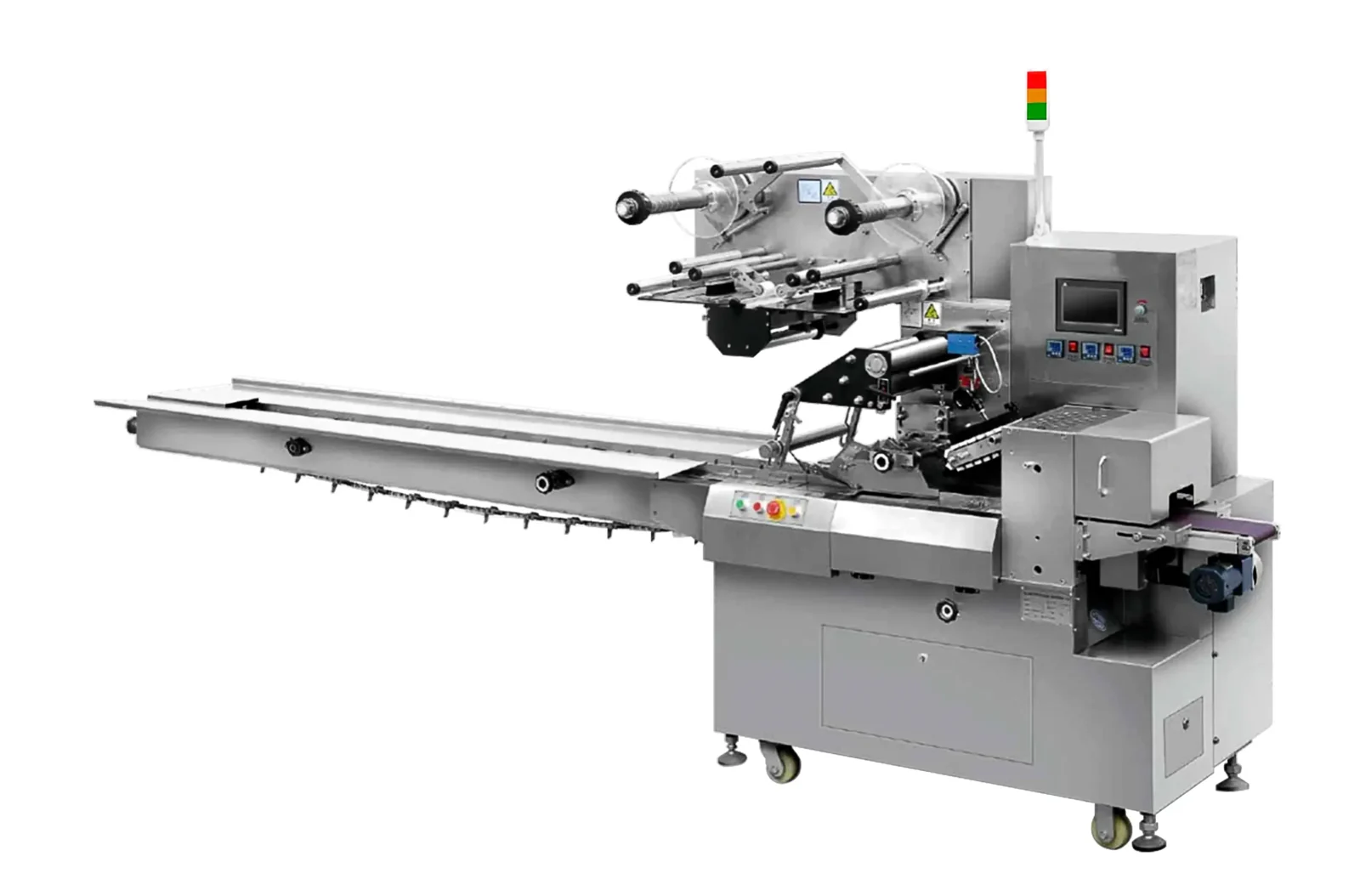
A horizontal flow wrapper forms and seals the pillow bag. The platform photograph illustrates those functions; cone support is selected from the product dimensions and transfer trial.