We are a leading tin packaging machine manufacturer offering a complete setup from primary filling and sealing to secondary carton packaging and labeling. This page outlines our tin packaging machine options, with practical guidance on configurations, cost considerations, and customization to fit your line. If you’re evaluating a tin packing machine price, you’ll find clear guidance on throughput, packaging form, and the best-fit scenarios.
Tin Packaging Machine Selection Guide: How to Choose the Right Tin Packaging Solution
For tin can lines, we recommend a practical packaging stack that pairs a robust primary filling/sealing stage with efficient secondary packaging and labeling. We’ve selected suitable options from our catalog and omitted formats that aren’t typically used for cans, such as blister packaging or stretch-film outer wraps for standard can products.
- Primary fill and seal (can-ready):
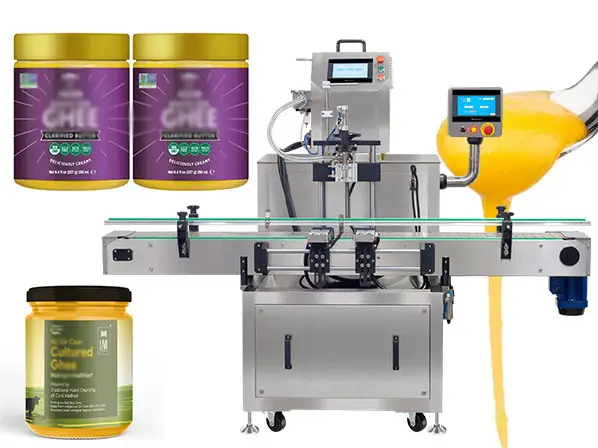
Filling and Sealing Machine (core unit for canning with downstream seaming)- Throughput: High and scalable with multiple filling heads
- Packaging form: Primary inside metal cans; downstream seaming required
- Characteristics: Precise fill, secure seal, sanitation-friendly design
- Best for: Sauces, oils, and foods that are canned
- Secondary outer packaging:
- Throughput: High and scalable with parallel stations
- Packaging form: Cardboard cartons, cases
- Features: Forming, packing, and sealing outer packaging to protect cans during transport
- Best for: Retail-ready or distributor-ready packaging of canned products
- End-of-line labeling and traceability:
Unboxing, sealing and labeling production line- Features: Labeling, seals, optional date/lot printing for traceability
- Best for: Retail compliance and batch traceability
- Packaging formats to avoid for tin cans:
Blister packaging and stretch-film-based outer wraps are generally not used for standard tin can lines unless you have a specific non-standard requirement.
Tin Packing Machine Price: What Affects the Quote
The tin packing machine price depends on line complexity, throughputs, number of filling heads, and downstream options. We provide transparent quotes for the core can-filling setup and modular add-ons, so you can scale your line without surprises.
Configurable Tin Packaging Line Options with Useful References
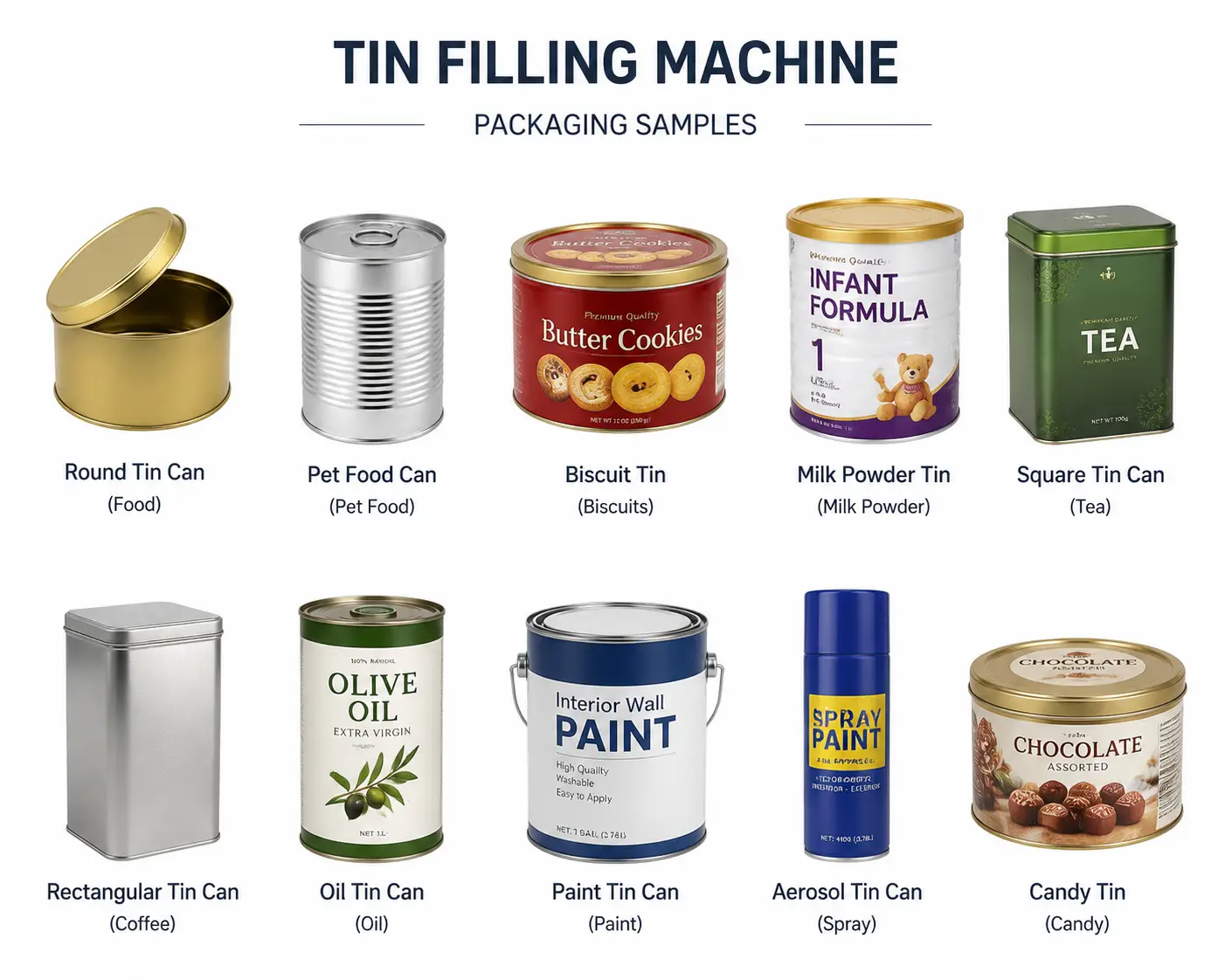
Below are the core configurations we recommend for tin can lines. Each item links to the product page for more details.
- Primary fill and seal configuration:
Core unit: Filling and Sealing Machine (can-ready) - Outer carton packaging stack:
Automatic carton packaging machine,
Automatic case packer,
Automatic box sealer - End-of-line labeling and integration:
Unboxing, sealing and labeling production line - Notes on non-standard options:
We tailor non-standard configurations to fit unique can sizes, carton dimensions, and downstream requirements.
Tin Packaging Solutions: Pain Points We Solve
Each configuration tackles common challenges head-on: fill accuracy, seal integrity, protective outer packaging, traceability, and scalable throughput. We focus on can-friendly designs and avoid formats that don’t suit tin cans.
| Solution | Packaging Form | Throughput (illustrative) | Pain Points Addressed | Best For | Key Links |
|---|---|---|---|---|---|
| Primary Fill & Seal (Can-ready) | Can or bottle inside with downstream seaming | High and scalable (depends on head count and can size) | Fill accuracy, seal integrity, sanitary design | Foods, sauces, oils canned in metal cans | Filling and Sealing Machine |
| Automatic Carton Packaging | Cardboard cartons or cases | High | Protective shipping, standardization, pallet-ready packaging | Retail/distributor-ready cans | Automatic carton packaging machine |
| Automatic Case Packer + Box Sealer | Grouped cans in cases, sealed for transport | High | Efficient conveying, stable load for bulk shipments | High-volume distribution | Automatic case packer • Automatic box sealer |
| Unboxing, Sealing & Labeling Line | Boxed packaging with labels | Medium to High | Traceability, batch/date coding, end-of-line efficiency | Retail-ready labeling and compliance | Unboxing, sealing and labeling production line |
Applicable Scenarios and Product Examples for Tin Packaging Lines
These scenarios show how our tin packaging machine configurations fit real-world products.
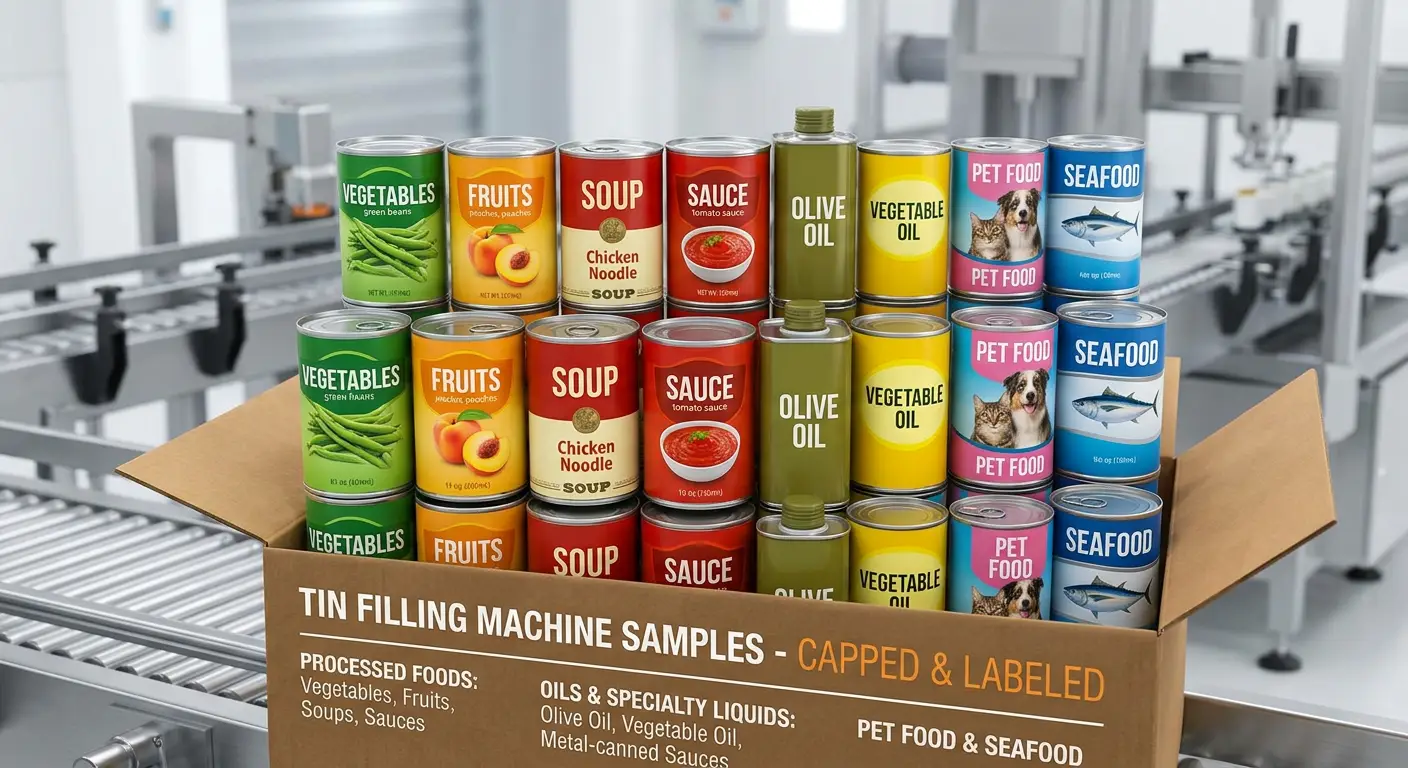
- Scenario A – Canned foods: vegetables, fruits, soups, sauces. Primary fill/seal creates hermetic cans; cartons/cases offer retail packaging; labeling provides batch/date information.
- Scenario B – Oils and specialty liquids: olive oil, vegetable oil, sauces in metal cans. Uses high-viscosity-friendly filling heads with secure sealing; outer cartons protect during distribution; optional date/lot printing.
- Scenario C – Pet food and seafood: pet foods and canned fish require reliable sealing and market-ready outer packaging; the packaging line ensures consistent presentation and traceability.
Technical Specifications and Customization Capabilities
We tailor tin packaging machine configurations to your product mix and factory layout. Our capabilities include, but go beyond, the following:
- Non-standard customization: accommodate different can diameters/heights, neck finishes, and customized seaming heads; sync upstream filling with downstream carton lines; factory acceptance testing and on-site commissioning.
- Bag styles and materials: bag packaging serves secondary packaging; we can support compatible configurations where applicable (e.g., bagged product lines) but primary tin cans typically use carton/case outer packaging.
- Machine frame and materials: sanitary design with stainless steel 304/316 contacts; food-grade finishes for wash-down environments.
- Packaging aids: gas/venting options for modified atmosphere packaging if needed; punching/perforation devices where required; integrated labeling and date/lot printing.
- CIP/SIP and sanitation: CIP/SIP options for suitable lines; hygienic design to meet food industry standards.
- Modularity: scalable with additional filling heads, carton stations, and downstream labeling modules for future expansion.
Why Choose Us for Tin Packaging Solutions
- We bring deep industry experience and match tin packaging machine configurations to diverse product needs, optimizing cost and quality.
- We tailor solutions to your product, container, shelf-life, and throughput targets, including tin packing machine price considerations.
- We offer free sample testing and can arrange factory visits to verify performance on real lines.
- We partner with you from concept through commissioning, delivering transparent quotes and practical line optimization.
Installation, Training, and After-Sales Support
- Remote and on-site support: For small equipment, we provide video tutorials and remote assistance to minimize downtime and cost.
- Warranty and service: 2-year overall machine warranty; 3-year warranty on core components; 24-hour remote response for critical issues.
- Training: Operator and maintenance training during installation; ongoing technical support with spare parts guidance.
Tin Packaging Machine Price Guide: Standalone Equipment and Full Line Solutions
Prices shown are indicative and quoted in USD. Approximate RMB equivalents can be estimated using an exchange rate of about 1 USD ≈ 7 RMB. Final quotes depend on your exact configuration and region (China included).
| Equipment Type (Standalone) | Price Range (USD) | Key Notes |
|---|---|---|
| Automatic Unboxing Machine | $1,428.57 – $8,571.43 | Example: Suzhou vertical unboxing line; speed 4–10 boxes/min; changeover 1–5 min. |
| Automatic Box Sealer | $1,971.43 – $2,257.14 (starting) | Basic model from a reliable supplier; customization available. |
| Automatic Packaging Line (Basic) | $1,428.57 – $2,857.14 | Applies to simple bottle shapes; integrates unboxing, boxing, and sealing. |
| Line Solution Price Reference | Total Price Range (USD) | Throughput / Suitable Applications |
|---|---|---|
| Economic Tier (Column Palletizing) | $37,142.86 – $51,428.57 | 400–600 boxes/hour; fits food, household & personal care, and e-commerce warehousing; ideal for small to mid-sized businesses. |
| Standard Industrial (China 6-axis Palletizing) | $54,285.71 – $78,571.43 | 600–900 boxes/hour; mainstream market price; suitable for grains/oils, prepared meals, continuous 24/7 production. |
| High-end Config (Servo + Clean + Imported Components) | $82,857.14 – $114,285.71 | Suitable for GMP pharma environments, 100k-class clean rooms, rapid changeovers, high-speed mass production. |
| Imported Full Line (Europe/Japan/US brands) | $128,571.43 – $214,285.71 | Robotics and main equipment from international brands; highest performance and support. |
Key price drivers for tin packaging lines
- Capacity and cycle rate: 400 boxes/hour vs 600–900/hour creates noticeable price differences.
- Drive and control systems: standard VFDs are cheaper; servo-driven systems raise costs by about 30–40%. Imported sensors and controls add 15–25%.
- Machine frame and cleanliness: basic carbon steel is cheapest; 304 stainless increases by 20–35% for food/pharma use. Explosive- or moisture-proof modifications add more.
- Non-standard customization: standard machines handle a single box size; frequent changeovers or very wide/narrow boxes or recycled boxes count as non-standard and can lift costs by 20–50%.
- Auxiliary features and digital expansion: adding safety light curtains, MES integration, remote maintenance, automatic weighing, and print/labeling drives up cost.
- Brand and after-sales: in-house R&D, service networks, remote diagnostics, and full-line customization influence total value.
For precise pricing, share your product specs, line speed targets, and footprint. We’ll tailor a quote that reflects your needs and provide options for tin packaging machine price optimization.
Ready to optimize your tin packaging line?
Contact us to tailor a tin packaging machine solution that fits your product, line speed, and footprint. We provide transparent tin packing machine price quotes and timelines, and we can arrange samples or factory visits.