For a single-dose detergent sachet that accepts rollstock, use a liquid doser and compatible vertical form-fill-seal machine. Test foam and the cutoff so detergent stays out of the seal. A purchased refill pouch needs its own opening and closure. For a rigid bottle, match the filler to the bottle and cap.
Indicative prices are US$15,000–45,000 for a defined single-lane non-aseptic rollstock sachet configuration, US$10,000–45,000 for compatible premade-pouch equipment and US$12,000–50,000 for bottle filling and capping. Confirm spout handling, pumps and upstream preparation in the quotation.
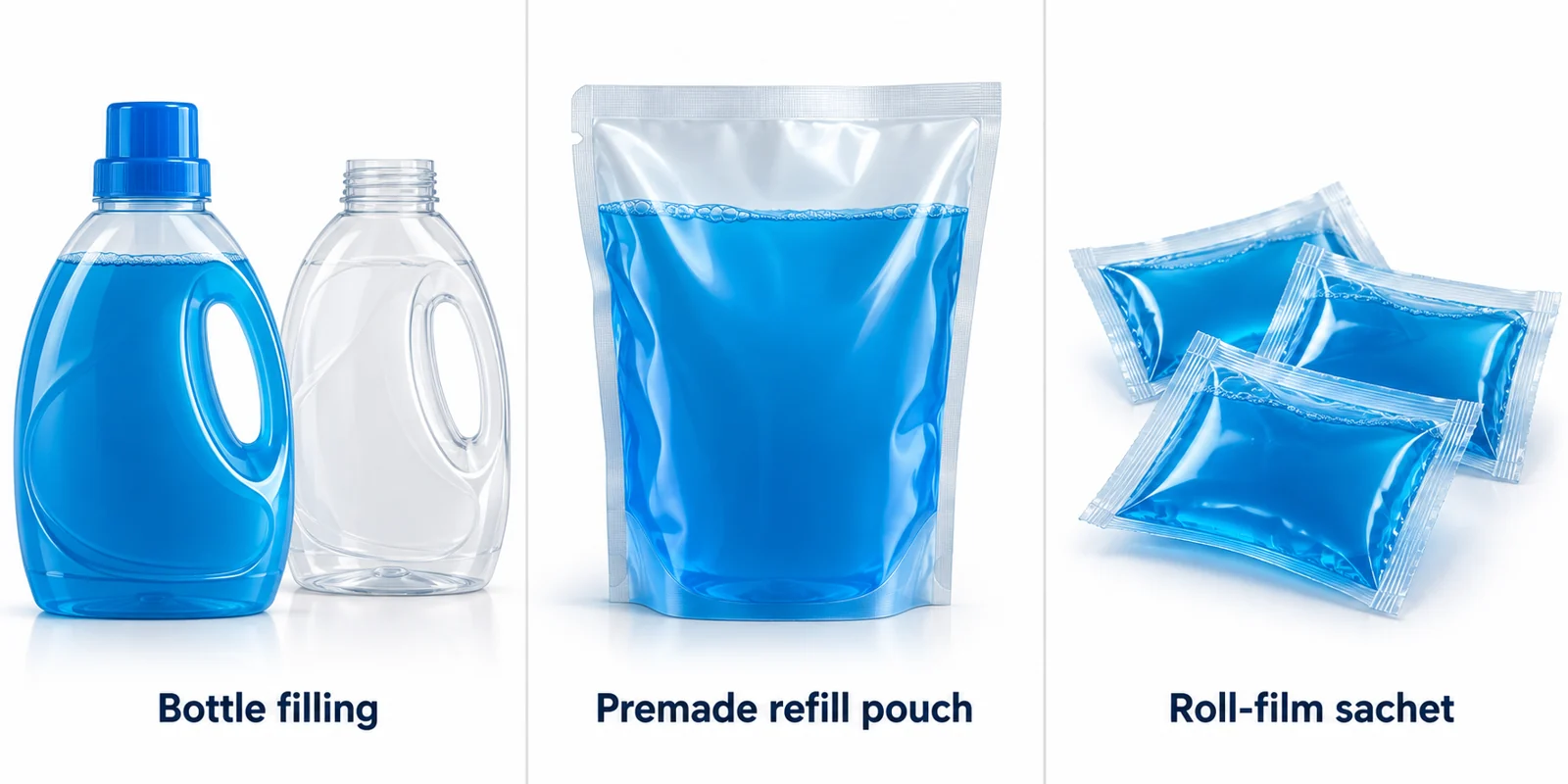
Match the liquid detergent machine to its container
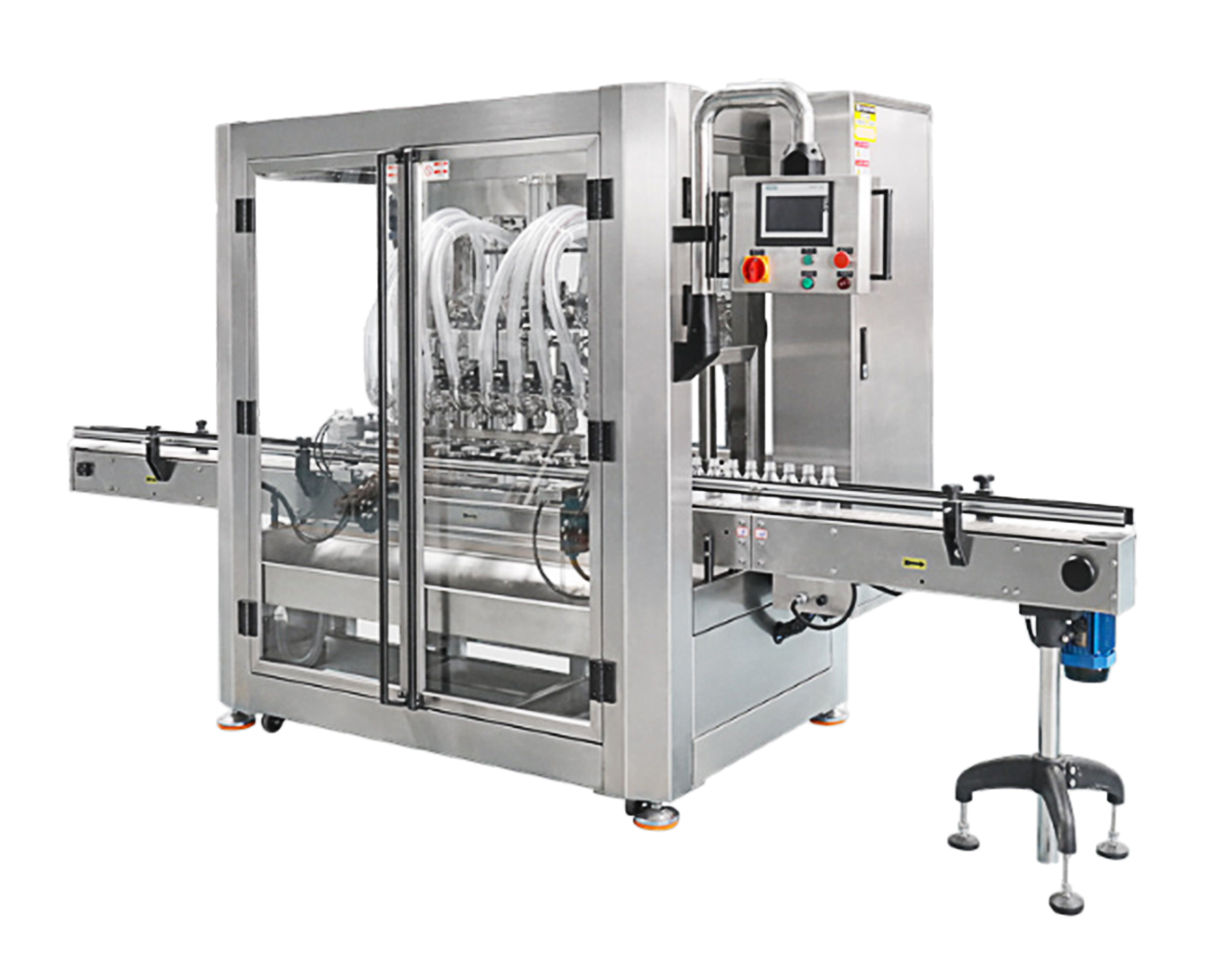
Bottle filling and capping
A bottle filler doses the detergent through suitable nozzles, followed by screw capping or the specified closure. Bottle support, nozzle movement and the filling sequence help control overflow and inconsistent fills with foaming products.
Piston metering is an option for a stable viscous detergent. With a foaming product, assess the fill profile and nozzle movement in the bottle. Where appropriate, test a rising nozzle and compare settled net fill and neck cleanliness. Dripping or stringing needs a suitable nozzle cutoff; increasing pump speed alone will not resolve it.
This route suits reusable or rigid retail bottles and projects that already have a bottle supply chain. Confirm the smallest bottle opening, body stability and cap geometry. Increasing the number of nozzles is useful only when product supply, filling time and downstream capping support the required output.
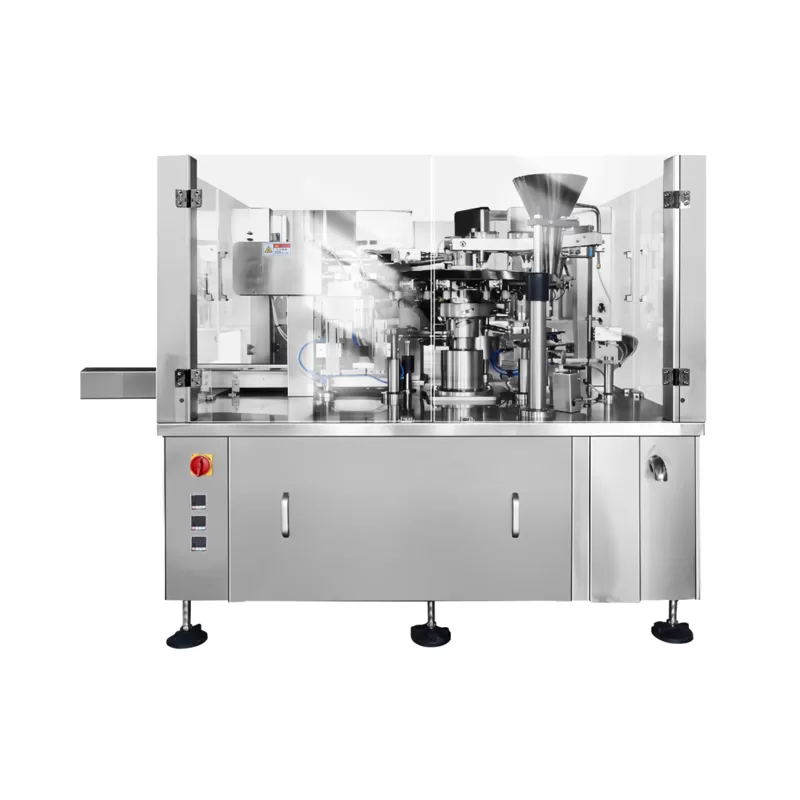
Premade refill-pouch filling and sealing
A pouch-handling machine picks and opens the specified bag, receives the liquid dose, then closes the pouch. This is a useful route for retail refill packs where the bag shape and shelf presentation are already defined.
A plain heat-sealed pouch and a spouted refill pouch have different filling and closing interfaces. Supply the finished bag, its opening and any spout or cap drawings. We then select the suitable liquid dosing and closure arrangement; a generic premade-pouch listing does not define every spout operation.
Roll-film detergent sachets
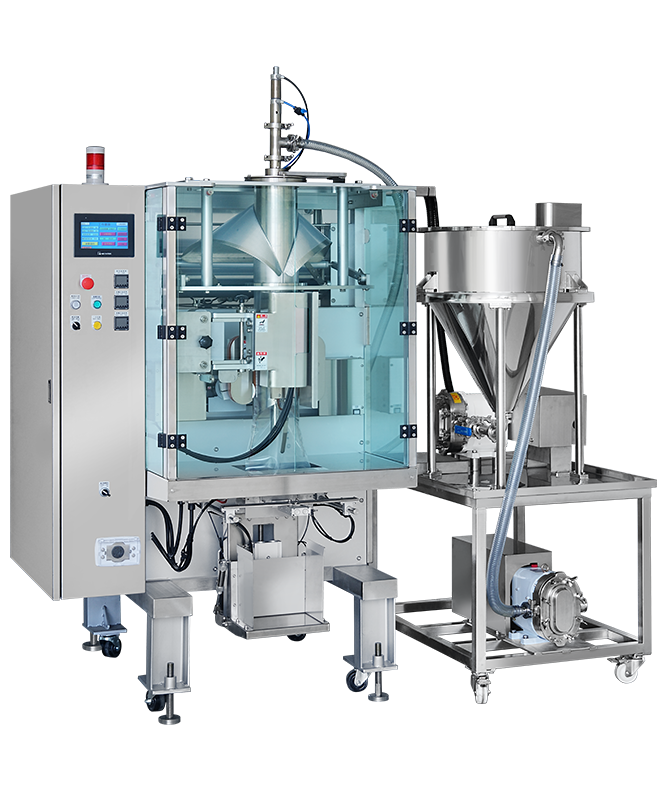
A liquid sachet machine forms the pack from roll film, doses the detergent and seals it. Choose this route for smaller sealed doses when the product and laminate are suited to that pack format. The pump cutoff and filling timing must keep detergent out of the seal zone.
Specify bag dimensions, seam layout, fill quantity and product condition. Assess the number of good sachets the equipment produces with all lanes running, including film handling and liquid delivery. Lane count alone does not establish output.
Control foam, dripping and liquid in the seal
| Packing problem | Matched equipment or configuration | How it responds and what to check | Applicable product |
|---|---|---|---|
| Foam rises before the target dose is complete | Bottle filler with controlled nozzle position and fill profile | Set the filling sequence from an actual product trial and verify net content after the agreed settling procedure. | Foaming laundry liquid |
| Detergent drips or strings onto the container | Matched dosing pump and nozzle cutoff | Select a cutoff arrangement for the product and test the transition between containers. | Viscous liquid and refill packs |
| Liquid contaminates a pouch seal | Coordinated dose, settling and pouch-sealing sequence | Keep the fill level and nozzle path clear of the seal; test filled packs with the proposed film. | Sachets and premade pouches |
| Container changes interrupt production | Container guides, recipes and accessible contact parts | Define bottle, cap and bag changes separately from cleaning; trial the longest expected change. | Several detergent sizes or formulations |
Detergent packs for bottles, refills and small doses
| Production situation | Finished pack | Starting route | Configuration inputs |
|---|---|---|---|
| A retail brand using screw-cap bottles | Filled and capped bottle | Bottle filler plus matched capper | Foam, viscosity, bottle opening and cap details Match bottle stability and foaming behaviour. |
| A retailer introducing larger refill packs | Sealed premade refill pouch | Pouch handling plus liquid dosing and closure | Bag opening, stability, seal/spout structure and net fill Change the closure module when bag structure changes. |
| A producer packing small detergent doses | Roll-film sachet | Liquid sachet forming, dosing and sealing | Fill quantity, film laminate, lane demand and seal clearance Confirm the fill and seal at the required aggregate output. |
Manual handling after filling is automated
| Production mode | Operator work | Changeover implications | Acceptance focus |
|---|---|---|---|
| Assisted bottle or pouch filling | Operator presents container and completes selected handling | Useful for variable batches; manual placement remains | Check fill consistency and closed-pack handling |
| Automatic filling and closure | Operators replenish containers and closures | Guides, nozzle settings and cap/bag formats change | Measure good containers through both fill and close steps |
| Connected filling and downstream handling | Conveying and coding/label interfaces are coordinated | More interfaces to reset when container format changes | Confirm line balance, accumulation and rejected-pack handling |
Detergent compatibility and pouch requirements
Provide the detergent formulation and cleaning method when specifying equipment. Surfactants, solvents, acidity and other ingredients affect seals, hoses and product-contact materials. Select these parts for the product and cleaning conditions; a stainless frame alone does not establish chemical compatibility.
Doypack and stand-up describe the pouch; rotary describes its handling. The machine still needs liquid dosing and sealing suited to that bag. Assess a filled, closed pack made with your detergent and include leak and handling tests.
Budget for the selected equipment scope
These planning ranges concern new equipment supplied from China for a defined product and format. Product preparation, extra formats, freight, taxes, overseas installation and site work are excluded unless expressly listed. Equipment additions and commercial terms are settled in the formal quotation. Special product-contact, safety or environmental requirements can change the scope.
| Equipment scope | Planning budget | Range applies to | Items to define separately |
|---|---|---|---|
| Bottle filling and capping | USD 12,000 to 50,000 | A defined bottle, cap and liquid-filling scope | Nozzle count, cap feeding, coding and labelling identified separately |
| Compatible premade refill-pouch equipment | USD 10,000 to 45,000 | Defined pouch size and selected liquid filling/sealing setup | Spout insertion, cap handling and unusual bag formats require specific scope |
| Roll-film liquid sachet equipment | USD 15,000 to 45,000 for a defined single-lane configuration | Indicative budget for non-aseptic detergent dosing and sealing | Multiple lanes, specialised liquid handling and extra formats need a separate budget |
Calculate good bottles per shift
For an illustrative target of 3,000 good bottles in 6 available production hours, the requirement is 500 good bottles per hour. Use that requirement when comparing nozzle arrangements and capping. Product preparation, bottle replenishment, foaming delays and cleaning can constrain the shift even when the filler has a higher short-run rate.
Compare proposals on the same product and pack
| Dimension | Evidence to compare |
|---|---|
| Budget and scope | The equipment operations, product and formats represented by each price. |
| Output | Compare the actual detergent, bottle or pouch and closure. Require clear responsibility for pumps, product-contact parts, net-content checks and leak testing. |
| Product and format fit | Detergent sample or formulation details needed for compatibility review; Fill quantity, container dimensions and cap or pouch/spout samples. |
| Support | Training, contact parts, spares and the responsibilities for commissioning and support. |
| Delivery | Samples, format confirmation, layout, documentation and acceptance milestones. |
Questions to settle before ordering
Can the same machine pack powder and liquid detergent?
Liquid detergent needs a pump and nozzle; powder needs metering and dust handling suited to powder. Identify the product state before considering whether equipment can be shared.
Should I specify eight filling nozzles?
If the required output and container handling justify eight heads, assess that arrangement with the actual filling time and capper. Nozzle count on its own does not establish acceptable bottles per hour.
Can a refill pouch have a spout?
For a spouted pack, supply the pouch, spout and cap details. The proposal must identify whether it fills through an existing spout or requires another filling/closing arrangement.
How do I compare quotations from different countries?
Use the same liquid, container, output and included operations. Then compare packing, freight, import duties, installation responsibilities and local support separately. A regional search price is not a quote for the defined project.
Request a detergent filling or packing proposal
Send product and finished-pack photos or samples, the fill or count, and the output you need. For the equipment proposal, include:
- Detergent sample or formulation details needed for compatibility review
- Viscosity, temperature and foaming behaviour at filling
- Fill quantity, container dimensions and cap or pouch/spout samples
- Required good bottles or pouches per shift and SKU mix
- Cleaning/changeover requirements, coding and labelling scope
- Destination, utilities, layout and any existing upstream or downstream equipment
Comwin will recommend the filling and closing operations, explain the configuration and sample trial, and quote the agreed scope.
Comwin provides free sample testing and can arrange real factory visits. Small-equipment support includes video tutorials and remote video calls. The whole-machine warranty is two years, with three years for core components and remote response within 24 hours. Support and installation responsibilities are specified for the project.
Arrange free sample testing · Send your packing requirements