Quick answer: A pickle bottle packing machine is usually a coordinated jar route rather than one universal filler. Whole cucumbers or sliced vegetables are loaded as solids, brine or oil is dosed separately, and the bottle is then capped, sealed, inspected and labeled. Use a manual or semi-automatic cell for small batches and many SKUs; use an automatic solid-plus-liquid jar line when bottle sizes, recipes and output are stable.
Comwin planning price: the current September 4, 2026 reference range for a configured bottle filling and capping machine is US$12,000–50,000. A complete filling-product packaging line is US$80,000–500,000+. A manual pickle filling machine and a pickle bottle sealing machine priced as a standalone module are quote-based when the exact jar, lid, closure and operator workflow are not defined. These are experience-based budget references, not binding quotations; solids feeding, brine dosing, cap supply, labeling, installation, freight and taxes can change scope.
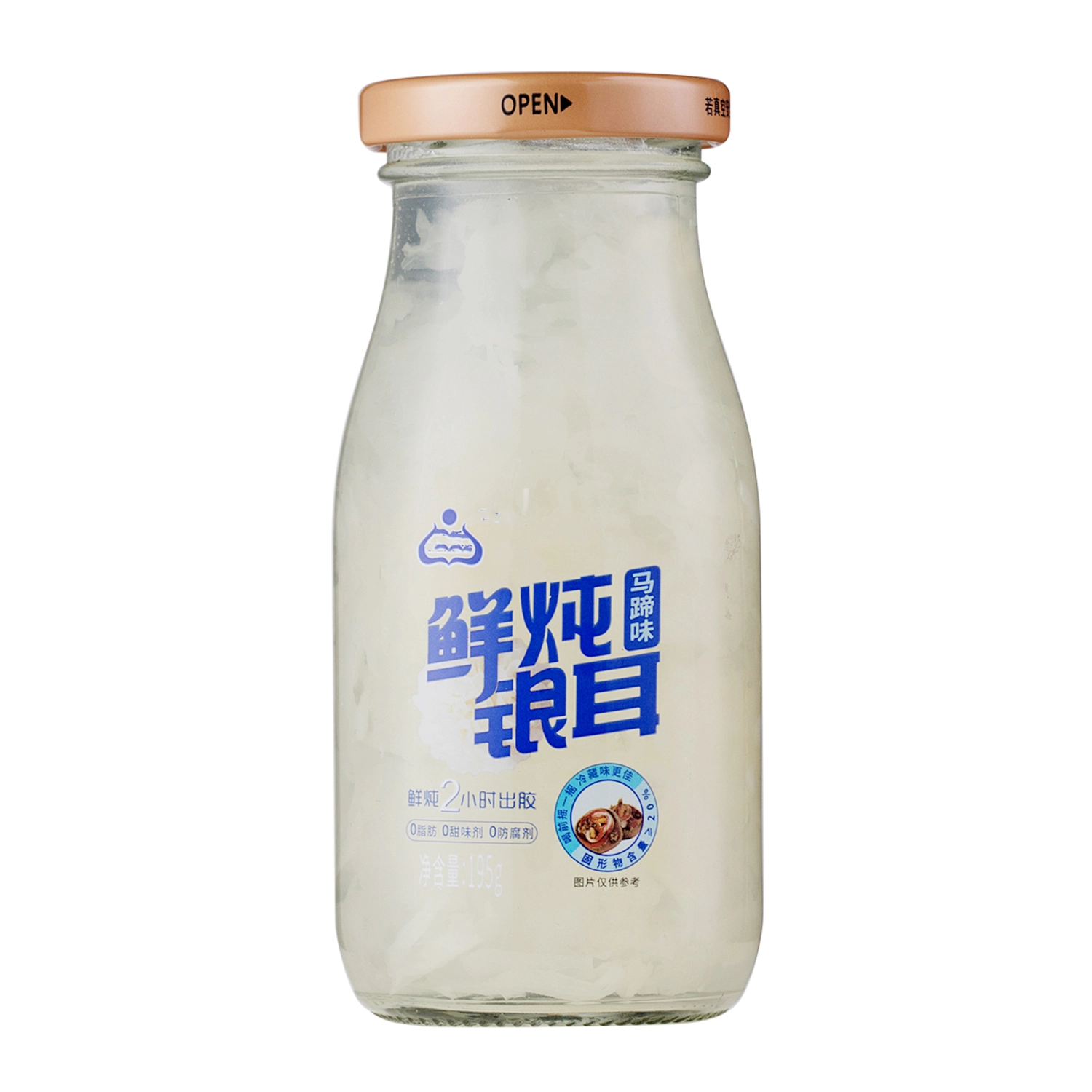
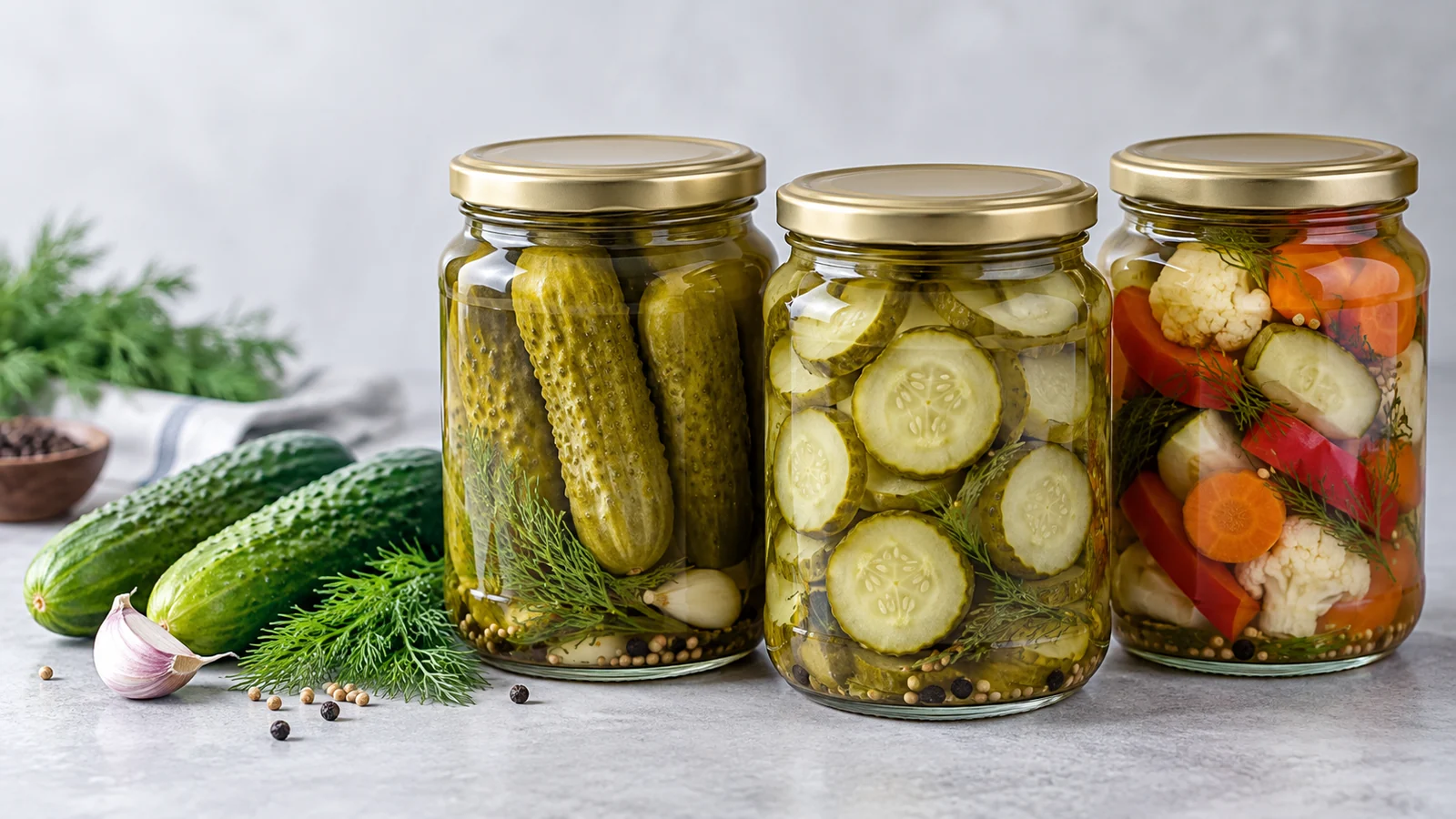 Bottle-route hero image: finished pickle jars and clean twist-off closures help define the container and sealing task. This AI-generated image is an application illustration, not factory or test evidence.
Choose a Pickle Bottle Packing Machine Route
Start with the bottle and product relationship. Whole pickles need gentle loading and enough neck clearance; sliced pickles need repeatable portioning; brine or oil needs a separate liquid cutoff. The right route keeps solids out of the cap thread and makes the sealing step measurable. Compared with a broad pickle packing machine, a bottle route is defined by the container, closure and solid-plus-liquid sequence. A standalone pickle sealing machine only solves the final closure step.
Choose the automation level first, then confirm bottle, lid, product and acceptance samples.
| Route | How it works | Best fit | Selection signal |
|---|---|---|---|
| A. Manual bottle cell | Operators place whole or cut pickles; a bench filler doses brine/oil and a manual or pneumatic capper closes the jar. | Startups, seasonal production, recipe trials and many small SKUs. | Choose when flexibility and low initial complexity matter more than labor reduction. Confirm operator pace and cap torque. |
| B. Semi-automatic solid-plus-liquid filling | A guided bottle station feeds solids, a separate filler doses brine/oil, then an assisted capper or pickle bottle sealing machine closes the package. | Growing producers with repeat jar sizes but changing recipes. | Choose when you need repeatable fill levels without a fully synchronized line. Confirm solid-to-liquid ratio and changeover time. |
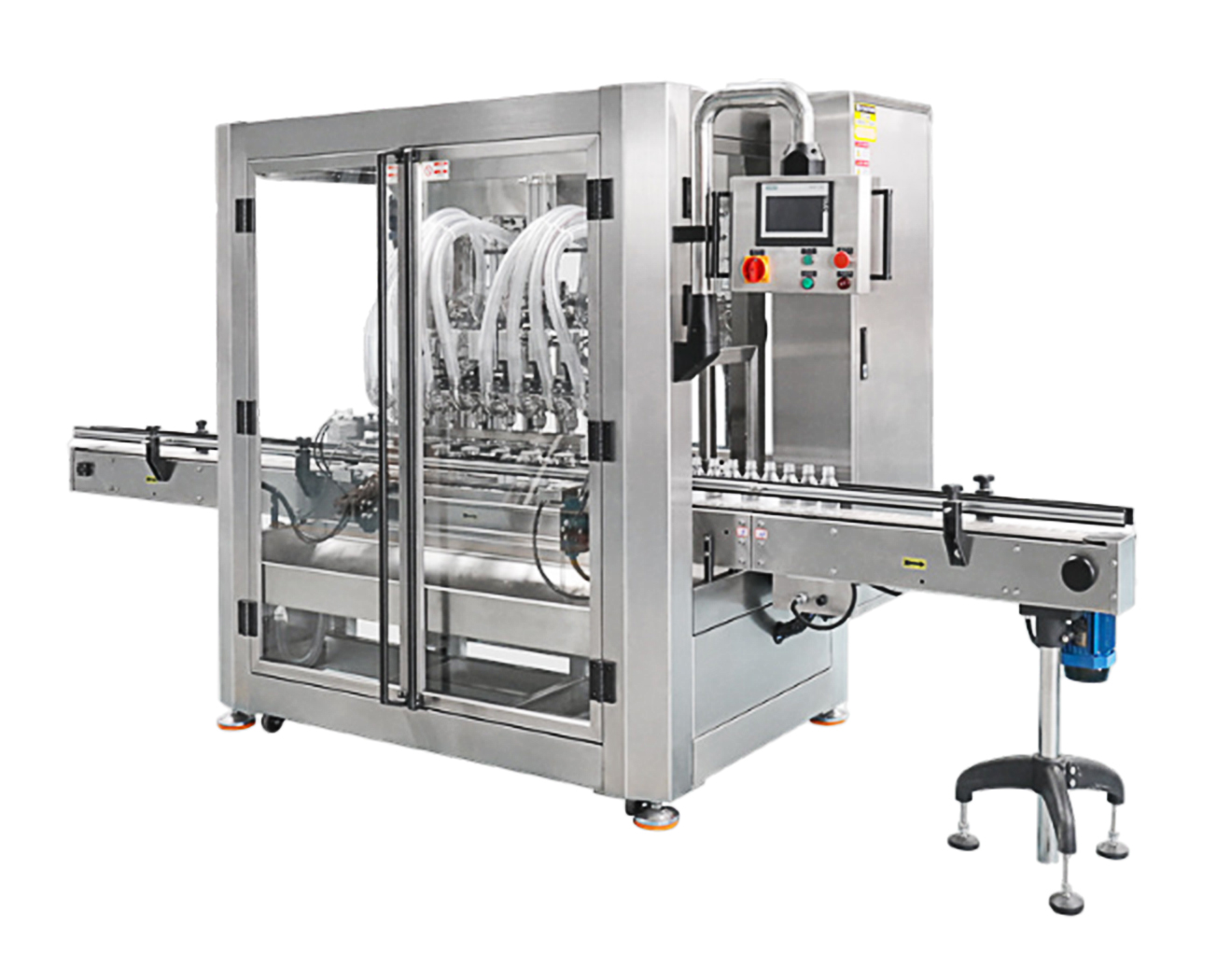
| C. Automatic bottle filling and capping | Bottle infeed, solids loading, liquid dosing, cap placement, tightening/sealing and discharge are coordinated around the selected jar and closure. Pair the liquid stage with our filling and sealing equipment route. | Stable recipes, one to a few jar formats and continuous retail output. | Choose when labor, fill consistency and downstream labeling justify integration. Confirm samples before freezing tooling. |
Use the published filling and sealing equipment as the reference for the liquid-dosing and closure stage; pickle solids loading is configured separately.
Bottle-Line Problems the Configuration Should Solve
Pickle bottles combine irregular solids, a mobile liquid phase and a closure that must remain clean. Each problem below maps to a concrete configuration and a practical acceptance check.
Source types and engineering boundaries are recorded in the research note; verify each point with the real product.
| Plant problem | Recommended Comwin route | Configuration response and check | Suitable product |
|---|---|---|---|
| Solids bridge or arrive at different weights | Route B or C: guided solid loading / solids feeder before liquid filler | Separate solids handling from brine dosing; check piece count, target solid weight and neck clearance with representative cucumbers. | Whole cucumbers, spears and mixed cut pickles |
| Brine level varies or wets the cap thread | Route B or C: dedicated liquid filler with controlled cutoff | Dose liquid after solids, keep the sealing zone clean and inspect headspace and thread contamination during FAT. | Brined pickles, oil pickles and mixed vegetables |
| Caps are cross-threaded or torque is inconsistent | Route A/B assisted capper or Route C cap placement plus tightening | Match cap feeder, chuck or spindle and torque window to the jar and lid; sample-check closure integrity. | Glass jars with twist-off or screw caps |
| Recipe and jar changes stop production | Route A or B with quick-change contact parts and guided changeover | Keep bottle guides, nozzles and cap tooling accessible; document changeover steps and cleanability. | Many SKUs, seasonal or contract-packed pickles |
| The team cannot prove seal quality | Route B/C with inspection points after capping/sealing | Define visual, torque, leak or vacuum checks appropriate to the closure; use a sample plan rather than an unqualified speed claim. | Retail jars requiring transport and shelf presentation |
Applicable Bottle-Packing Scenarios
Use these combinations as a starting point for a project brief. The final pickle bottle packing machine is matched after product trials, bottle and lid samples, target output and factory utilities are reviewed.
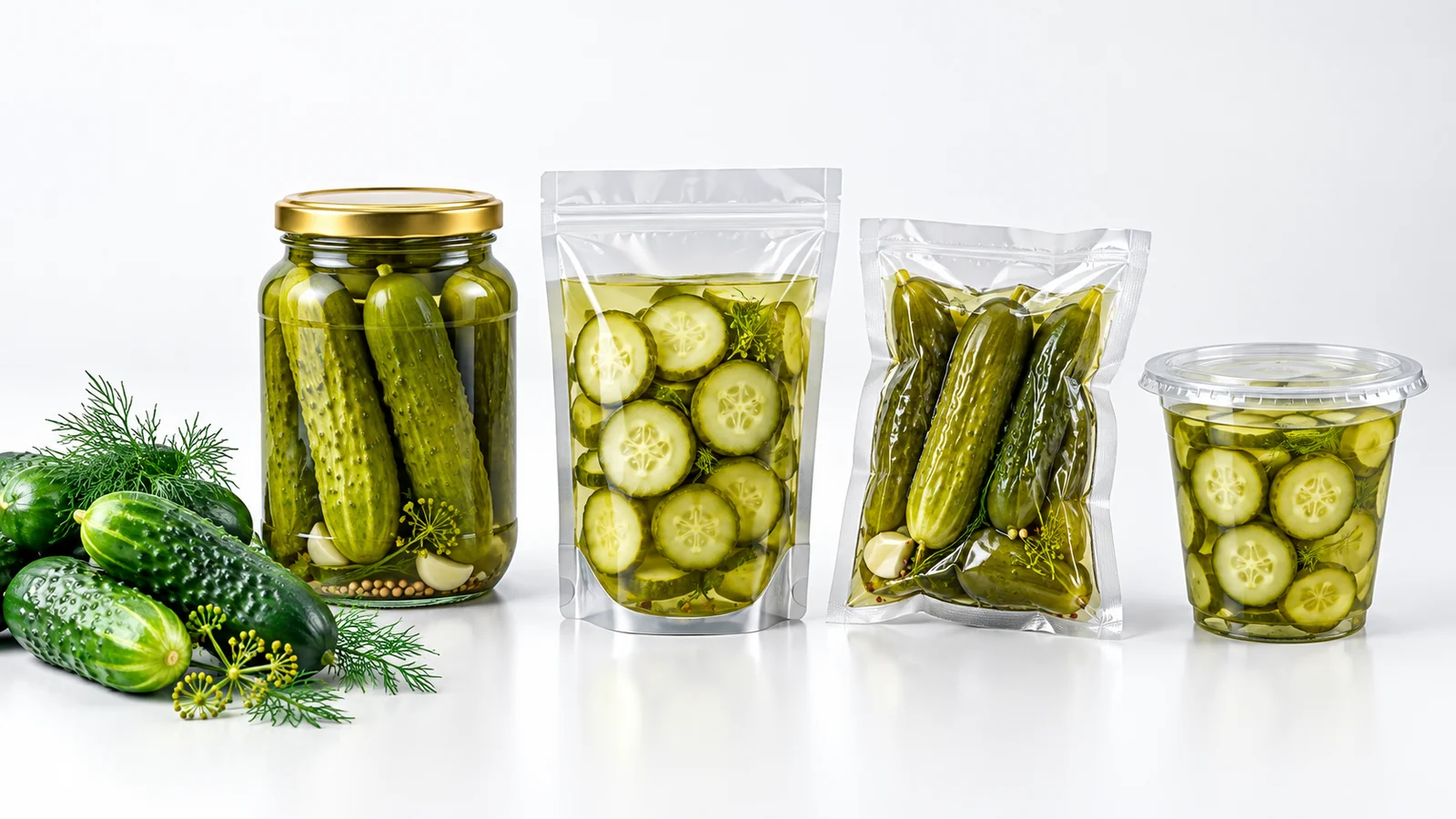
The package and product state determine the recommended starting configuration.
| Product and channel | Finished bottle | Recommended route | What to confirm |
|---|---|---|---|
| Whole cucumber pickles for retail | Glass jar with twist-off lid | Route B for growing volume; Route C for stable repeat production | Whole-piece orientation, neck clearance, brine headspace, cap torque and label space |
| Sliced or mixed pickles | Wide-mouth jar | Route A/B with accessible solid loading and separate liquid dosing | Slice size distribution, solid weight, liquid volume and cleanup between recipes |
| Oil-rich achar or mixed vegetables | Glass jar or foodservice bottle | Route B/C with product-specific dosing and closure checks | Viscosity, temperature, oil drip behavior and sealing-zone cleanliness |
If the finished pack changes from a jar to a pouch, compare the separate bagged packaging solution rather than adapting the bottle route by assumption.
Bottle, Filling and Sealing Specifications to Define
A bottle packing machine cannot be selected from the keyword alone. Send the physical samples or a complete data sheet for the items below:
- Product: whole, sliced, shredded or mixed solids; brine/oil ratio; viscosity; temperature; pieces that can break or bridge.
- Container: material, mouth diameter, height, nominal volume, tolerance, bottle orientation and whether the jar is glass or plastic.
- Closure: lid type, cap diameter, liner, torque or vacuum target, tamper evidence and whether an induction or heat-seal step is required.
- Output: bottles per minute or per shift, SKU count, changeover frequency and the acceptable reject or rework rule.
- Utilities and hygiene: electrical standard, compressed air, drainage, washdown expectations, contact-part materials and factory footprint.
Pickle Bottle Packing Machine Price and Scope
The phrase pickle bottle sealing machine price can refer to a capper, a filling-and-capping module or a complete bottle line. Keep those scopes separate when comparing quotations. For a coordinated project, compare the filling-product packaging line scope separately from a bottle capper.
Comwin experience reference dated September 4, 2026; USD ranges are planning figures, not binding quotations.
| Scope | Comwin reference | Included logic | Main price drivers |
|---|---|---|---|
| Bottle filling and capping machine | US$12,000–50,000 | Configured single-machine or coordinated module for bottle filling and closure | Solids handling, liquid filler, cap feeding, tooling, inspection and automation level |
| Manual pickle filling machine | Quote-based | Bench or assisted filling matched to product and operator workflow | Nozzle/filler type, product viscosity, bottle and required cap process |
| Standalone bottle sealing or capping module | Quote-based | Closure equipment priced against the exact lid and container | Cap style, torque/vacuum requirement, cap supply and inspection |
| Complete filling-product packaging line | US$80,000–500,000+ | Broader coordinated line scope, not the minimum for every jar project | Infeed, solids preparation, filling, capping, labeling, case packing and integration |
How to request an accurate quote: send product samples or videos, bottle and lid drawings/samples, target fill weights and liquid volume, bottles per minute or shift, desired automation level, seal/torque requirements and factory power/air details. We can then return a route recommendation, scope boundary, sample-test plan and a configuration-based budget.
For labeling, inspection and downstream case handling, define the boundary through a filling-product packaging line.
Which Supplier Profile Fits a Bottle Project?
Use the matrix to compare fit, not to assume one supplier is best for every bottle project.
| Dimension | Comwin fit | European high-end fit | Other China supplier fit |
|---|---|---|---|
| Budget | US$12K–50K bottle filling/capping reference; larger projects are scoped | Quote-based; suitable when high documentation or specialized hygiene scope is required | May fit basic standard equipment at a lower entry scope |
| Production scale | Small-to-medium projects moving from manual to coordinated lines | Large continuous plants with established local engineering networks | Small batches or standard semi-automatic transitions |
| Customization | Bottle, product, closure and single-machine-to-line configuration can be matched | Deep process engineering for defined industry packages | Best when a standard frame needs limited changes |
| Support | Free sample testing, 2-year machine warranty, 3-year core-component warranty and remote response within 24 hours | Local service or on-site engineering may be available under the supplier contract | Support terms vary; verify response route and spare-parts scope |
| Delivery and response | Direct technical discussion and a project-specific schedule to be confirmed | Formal project gates and fixed production slots | Potentially quick standard delivery; confirm engineering depth |
FAQ: Pickle Bottle Packing and Sealing
Is a pickle bottle packing machine the same as a pickle sealing machine?
No. If you only need to close pre-filled jars, choose a sealing or capping module. If you need solids, brine/oil and closure handled as one workflow, choose a filling-and-capping route.
When should I choose a manual pickle filling machine?
If batches are small, recipes change often or you are validating a new jar, start with a manual or semi-automatic cell. Move to Route C when repeat output and labor balance justify synchronized equipment.
What determines pickle bottle sealing machine price?
If the lid and jar are already fixed, the quote is driven mainly by cap supply, torque/vacuum requirement, speed and inspection. If the closure is not fixed, send samples before comparing prices.
Can one machine fill whole and sliced pickles?
If both products fit the same bottle and the solid-loading method can be changed without damaging pieces, a configurable Route B may work. For large differences in size or recipe, plan separate contact parts and a documented changeover test.
Should I use bottles or pouches for pickles?
If shelf presentation, rigid protection and a screw or twist-off lid are priorities, choose bottles. If lightweight retail packs or flexible formats are the priority, use a pouch route and compare it separately; do not force pouch requirements into a bottle quotation.
What should be tested before accepting the line?
For every bottle and recipe, run representative solids and liquid, then check fill weight/volume, headspace, thread cleanliness, cap torque or seal integrity, leakage and changeover repeatability against agreed samples.
Request a Bottle-Packing Recommendation
Send the minimum information for this bottle project:
- Product: whole/sliced/mixed pickle, brine or oil, viscosity and temperature.
- Bottle: material, dimensions, neck and nominal fill volume.
- Closure: lid sample, cap diameter, torque/vacuum or tamper-evident requirement.
- Production: bottles per minute or shift, SKU count and changeover frequency.
- Quality: fill-weight tolerance, headspace, leak/torque checks and acceptance samples.
- Factory: power, air, washdown, footprint and downstream labeling/case-packing needs.
We will return a module-by-module recommendation, supply boundary, sample-testing plan and configuration-based quotation. For projects that later add flexible packs, review our bagged packaging solution separately. Use our contact page to start the discussion.