
Water bottle packing starts with the finished bottle and shipment format. Comwin matches filling, capping and downstream packaging equipment to the water product, bottle, target output and factory interface. A suitable machine can be supplied on its own; connected equipment is specified when the project needs it.
Quick answer
A water bottle packing machine may mean a filler and capper, a shrink bundler, a case packer or a coordinated line. For early budgeting, Comwin’s bottle filling and capping equipment is US$12,000–50,000; shrink packaging is US$5,000–20,000 separately. A broader filling and downstream packaging project may be US$80,000–500,000+, depending on its agreed scope. These are Comwin planning ranges, not a formal quotation. Send the bottle and cap samples, bottles per hour and finished pack so we can define the correct equipment boundary.
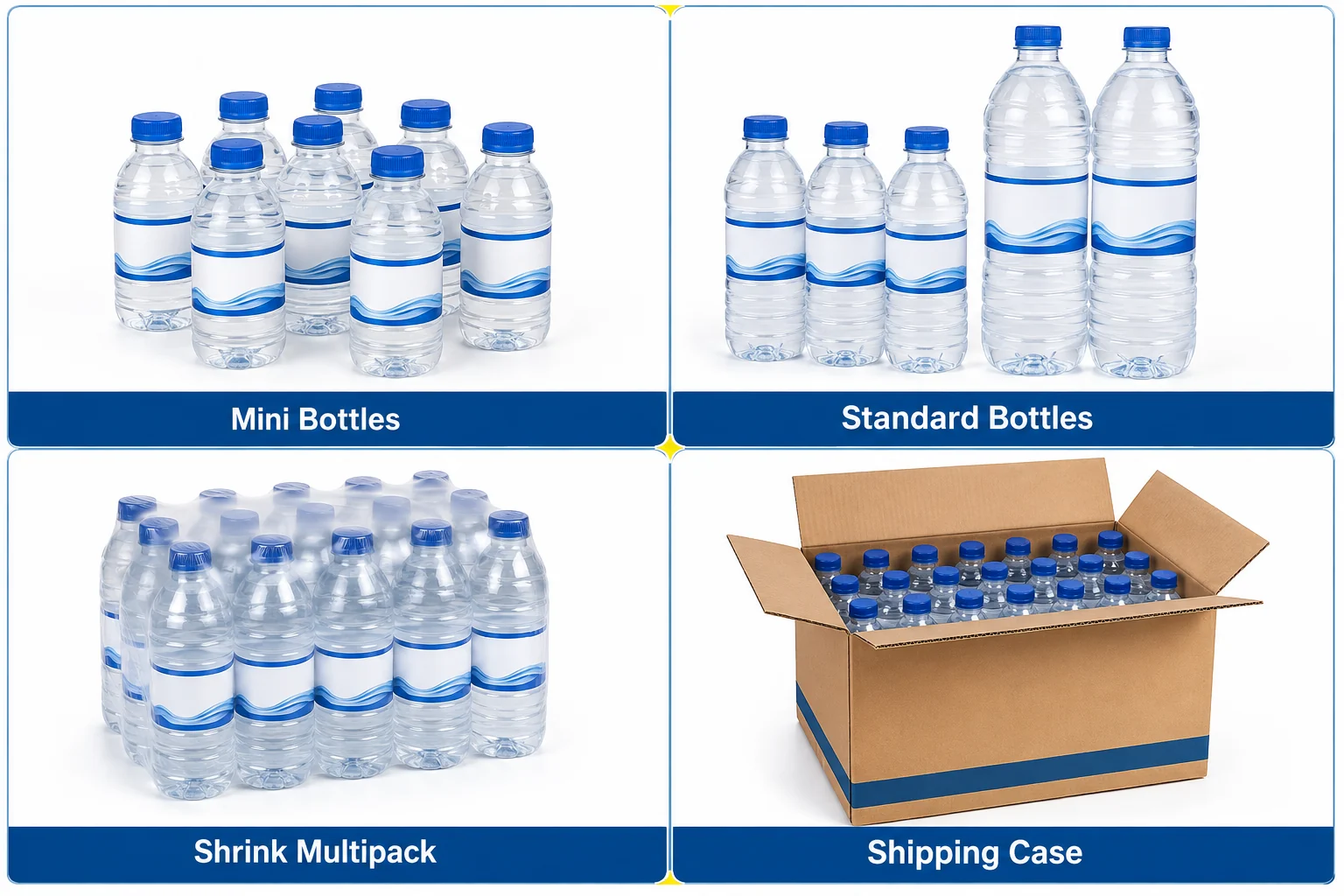
What Does “Water Bottle Packaging Machine” Mean?
“Water bottle packaging machine” describes several possible stages: bottle rinsing, filling and capping, or the equipment that groups already filled bottles for shipment. A water bottle seal machine may mean a capper, a film sealer or a carton sealer. Likewise, pani bottle packing machine and pani ki bottle packing machine do not identify one fixed machine: suppliers use these terms for filling/capping, shrink bundling and complete lines. Specify the step and finished pack before comparing quotes.
| Requested stage | Finished output | What Comwin checks |
|---|---|---|
| Bottle filling/capping | Filled, closed individual bottle | Bottle and cap sample, fill target, accepted bottles/hour |
| Mini or 1 L bottle line | 200–350 mL small PET or 1 L bottle | Neck finish, bottle stability, change parts and labels |
| Water bottle wrapping | Filled bottles grouped in shrink film | Bottles per pack, film, bundle stability and tunnel scope |
| Case packing / carton sealing | Bottles or bundles loaded and closed in cases | Case pattern, loading, closing and sealing boundaries |
Choose the Line by the Finished Pack
Start with the water product, bottle and the form in which buyers will receive it. Comwin then checks bottle handling, closure, target accepted output and downstream pack. The following are planning scenarios, not customer projects or guaranteed machine specifications.
| Product scenario | Finished pack | Equipment route | Configuration decision |
|---|---|---|---|
| 250 mL still-water PET for events | Capped bottles in a shrink multipack | Bottle rinse/fill/cap; code/label; collate and shrink | High bottle count per litre, light-bottle stability, cap feed and film pattern |
| 500 mL retail water PET | Labeled bottles in a 12-bottle pack | Fill/cap; label/code; shrink or tray/shrink | Label alignment, 12-bottle collation, pack strength and accepted speed |
| 1 L mineral-water bottle | Capped bottles in a shipping case | Fill/cap; label/code; case load and carton seal | Water-product specification, bottle/cap samples, case fit and transfer stability |
| 19–20 L returnable water jar | Sealed individual jar for delivery | Container cleaning/inspection, filling, closure and handling | Return condition, hygiene, jar weight and closure; quote as a separate format |
Example 1: For a 250 mL event bottle, the number of bottles per hour may be the constraint even when litres per hour is modest. Comwin checks light-bottle transfers, cap feed and shrink collation before setting accepted speed. If output is low, a compact machine route may be appropriate; higher accepted output may require coordinated conveying and accumulation.
Example 2: A 1 L bottle shipped in a case needs the filling and closure section plus a defined case-loading and sealing route. If bottles ship as film multipacks instead, Comwin changes the downstream equipment and acceptance test; the filler is not automatically replaced.
Core Machines in a Bottle-Water Packaging Line
The primary bottle machine, labeling and end-of-line equipment are separate supply decisions. Comwin can supply a matched standalone machine or coordinate the interfaces where the chosen finished pack needs several stations. The recommendation follows actual samples and output, rather than asking the buyer to decide “standard or custom” in advance.
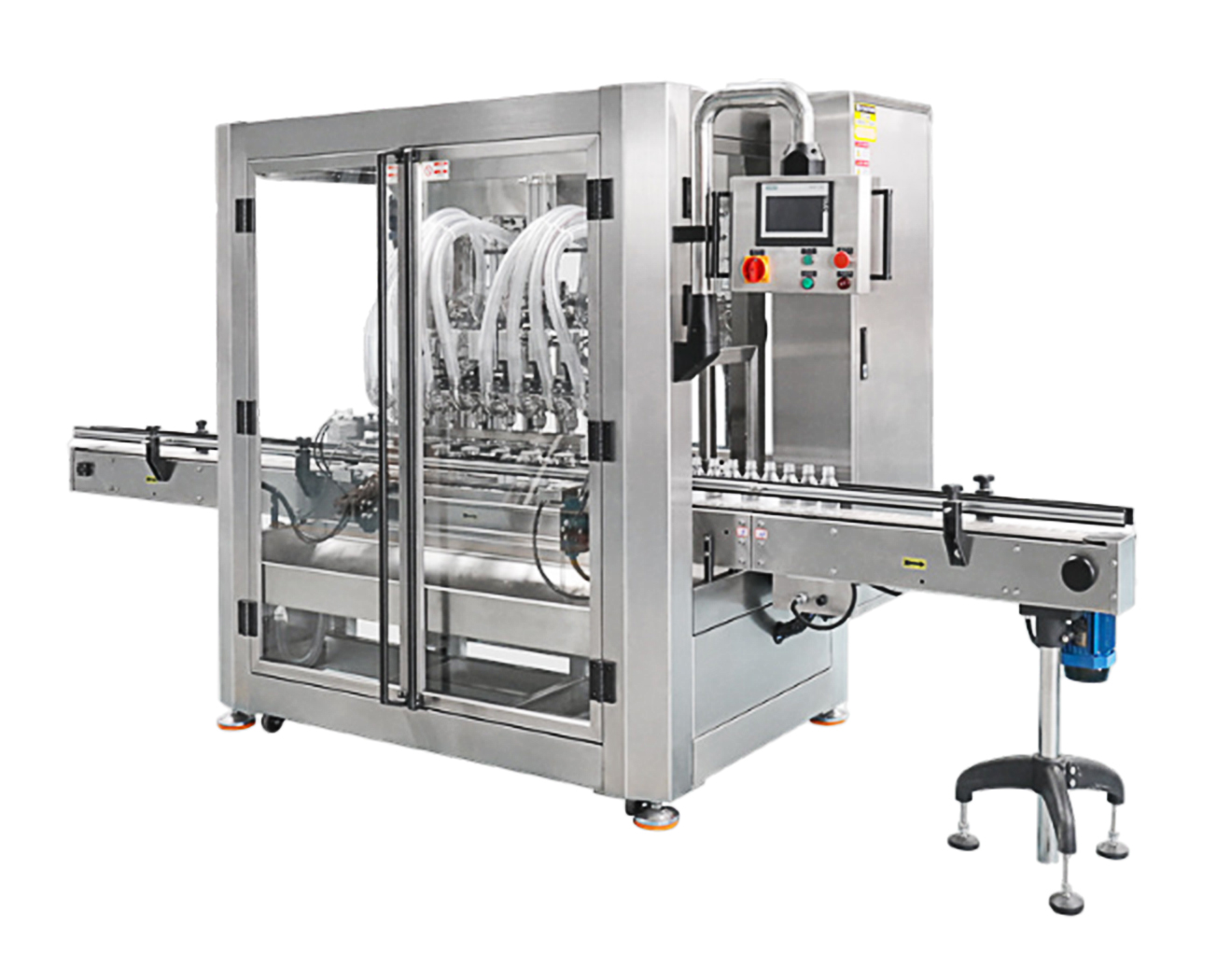
1. Bottle rinsing, filling and capping
The primary packaging section meters water into clean containers and applies the cap. The equipment should be selected from actual bottle and cap samples or controlled drawings. Filling accuracy, contact materials, cleaning access, cap-torque control and reject handling matter more than a generic “automatic” label. If a supplier quotes a standalone filler, confirm whether rinsing, capping, cap feeding and conveyors are separate items.
2. Coding and labeling
Date and batch coding must match the label material and production speed. Label choices may include pressure-sensitive, sleeve or roll-fed systems, depending on the container and target presentation. Provide artwork dimensions, label roll direction and the location of required codes before design approval.
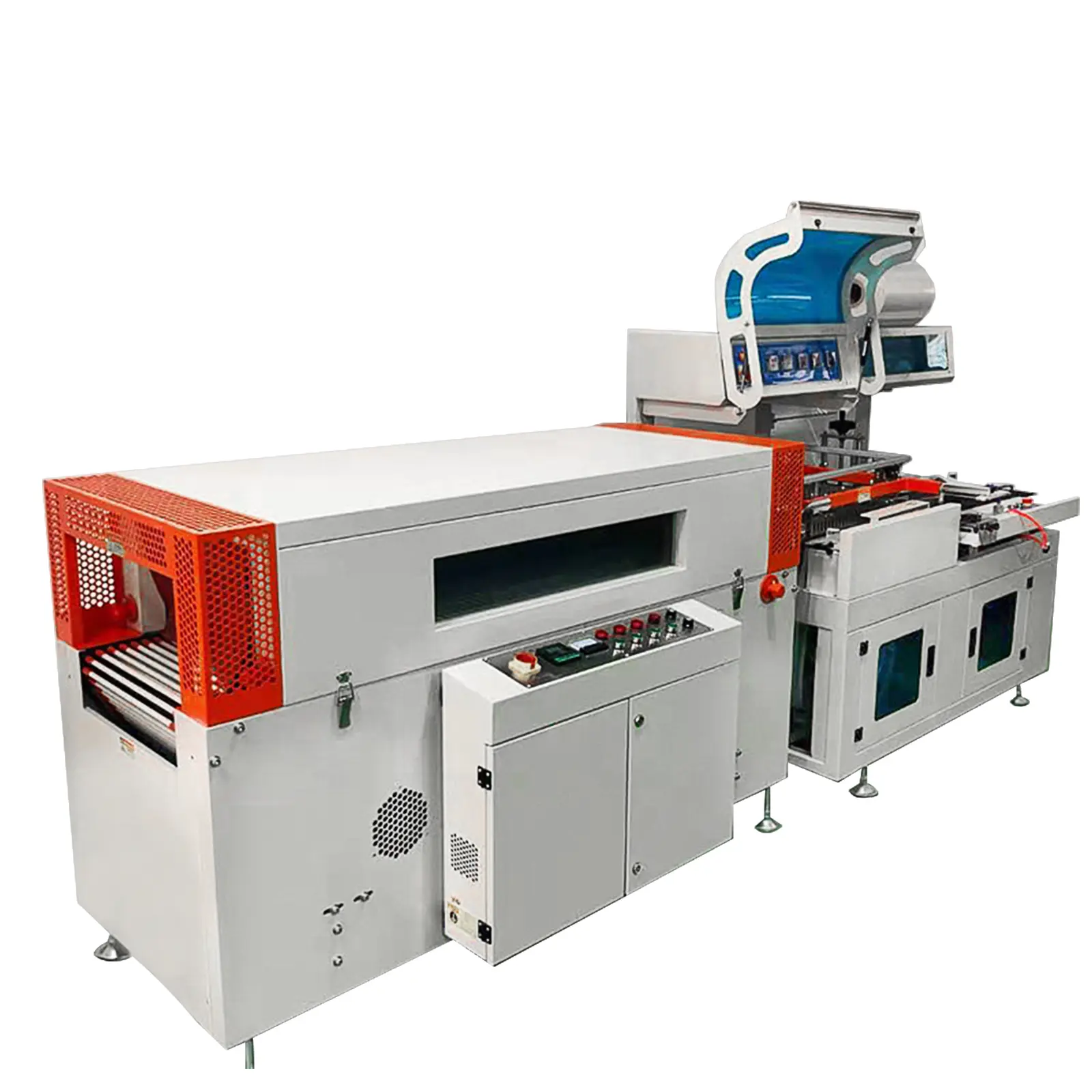
3. Shrink bundling
A shrink wrapper is a common end-of-line choice for bottled water because it forms transportable groups without a full corrugated case. The quote must define the bottle pattern, film specification, maximum bundle weight, tunnel power, conveyor height and whether a printed film registration system is required. For equipment configurations and film options, see the water bottle shrink packing guide.
4. Case packing and carton sealing
Corrugated cases provide more protection and print area, but they add board cost and more equipment. A complete case route may include erection, bottle grouping, loading, closing, sealing, coding and discharge. Confirm whether the bottles enter loose, in trays or as pre-bundled packs. An automatic case packer and an automatic carton sealing machine solve different steps.
Water Bottle Packing Machine Price Guide
These US-dollar ranges are from Comwin’s internal experience budget sheet dated September 4, 2026. They are planning references for named equipment scopes, not a market average, public list price or binding quote. A small water bottle packing machine price, small scale water bottle packing machine price or pani bottle packing machine price depends first on whether the request covers filling/capping, a wrapper, or several connected stations.
| Equipment scope | Comwin experience budget | Typical boundary | Cost drivers / exclusions |
|---|---|---|---|
| Bottle filling and capping machine | US$12,000–50,000 | Filling/capping machine or agreed machine set | Filling method, heads, cap feed, rinse/transfer and hygienic design; labeling may be separate |
| Heat shrink packaging machine | US$5,000–20,000 | Specified sealing/bundling section and tunnel | Bottle pattern, film, automatic feed and tunnel configuration |
| Automatic case packer | US$25,000–80,000 | Selected automatic case-loading function | Case style, grouping and speed; erection/sealing may be separate |
| Carton sealing machine | US$4,000–15,000 | Selected case closing/sealing function | Case sizes, tape or hot-melt and adjustment method |
| Filling-product packaging line | US$80,000–500,000+ | Broad integrated project allowance, not a fixed water-line model | Number of stations, controls, utilities, inspection and commissioning boundary |
Do not add every row to estimate a line. The integrated-line range can already contain selected modules. Request an itemized boundary of supply and a layout before comparing totals. Water treatment, bottle blowing, air compressors, chillers, laboratory equipment, electrical work, freight, duties, taxes and site construction may be excluded unless written into the offer.
Why “mini” does not always mean low cost
A mini water bottle packing machine may use smaller hardware, but the line can process more bottles for the same volume of water. For example, 3,000 litres per hour equals 12,000 bottles per hour at 250 mL, versus 3,000 bottles per hour at 1 L. The smaller format therefore increases the required container-handling rate. A compact semiautomatic line can lower initial investment at modest output; a high-speed mini-bottle line may cost more than a slower standard-bottle line.
How to Compare Quotations Fairly
Use the same bottle, accepted output and supply boundary for each offer. Comwin should propose the equipment and test plan after reviewing those inputs. A headline price by itself does not show whether two suppliers are providing the same result.
| Supplier comparison | Risk signal | What to request |
|---|---|---|
| Budget and boundary | An unusually low total omits a station or site cost | Itemized modules, included/excluded utilities, delivery term and commissioning |
| Production result | A rated speed is shown without the actual bottle or pack | Accepted bottles/hour and packs/minute with test duration and materials |
| Bottle and pack fit | Several sizes are assumed to share one setup | Sample trials, change parts, format range and changeover plan |
| Quality and support | No closure, pack or service acceptance is defined | Fill/closure/label/pack checks, documentation, training and support scope |
| Delivery and integration | Interfaces and responsibility are unclear | Layout, handoffs, FAT/SAT milestones and final supply responsibility |
| Comparison item | Write this into the RFQ | Why it changes price |
|---|---|---|
| Product and bottle | Water specification; bottle material, volume, drawing, neck finish and samples | Determines contact design, change parts and container handling. |
| Cap and label | Cap drawing/sample; cap feed; label type, size and roll direction | Changes feeders, applicators, sensors and tooling. |
| Output | Required bottles/hour by each bottle size; accepted efficiency basis | Sets machine size and reveals line bottlenecks. |
| Secondary pack | Shrink pattern or case dimensions; bottles per pack/case | Defines grouping, film/tunnel or case-loading hardware. |
| Scope boundary | Start/end points, conveyors, coding, inspection, utilities and spare parts | Prevents a low headline price from hiding missing modules. |
| Acceptance | Sample test, FAT product, test duration and acceptance criteria | Makes promised performance measurable. |
| Commercial terms | Currency, Incoterm, freight, tax/duty, installation and payment terms | Shows the true landed and start-up cost. |
Match Every Station to One Line Speed
Common bottlenecks are not solved by raising the filler nameplate speed alone:
| Problem | Likely mechanism | Equipment response | Acceptance check |
|---|---|---|---|
| Light bottles tip or jam | Too much conveyor pressure or abrupt transfers | Check guides, spacing, neck handling and accumulation | Run the actual small bottle at agreed accepted output |
| Caps leak or misapply | Cap/bottle mismatch or unstable feeding | Verify cap feed, torque/control and reject handling | Test closure result with real bottle and cap samples |
| Label or code defects | Material, registration or line-speed mismatch | Set label/code hardware to the approved artwork and bottle | Inspect placement and legibility at accepted speed |
| Bundler starves or backs up | Bottle rate and pack rate are unbalanced | Convert bottles/hour to packs/minute; size transfer and buffer | Test accepted pack rate, bundle quality and recovery from stops |
Use bottles per hour as the common unit. At a planning target of 6,000 bottles/hour, the downstream flow is 100 bottles/minute before losses and stops. If the finished pack contains 12 bottles, the arithmetic target is about 8.3 packs/minute. This is a line-balance calculation, not a Comwin rated-speed claim; set accepted speed, buffer capacity and test conditions for the actual bottle and pack.
Ask suppliers to state rated speed and accepted speed separately. The accepted figure should name the bottle, water, cap, label, pack pattern and test conditions. A machine demonstrated with a stable 1 L bottle may behave differently with a lightweight 250 mL bottle.
RO Water, Purified Water and Mineral Water: Equipment Implications
The packaging line receives a defined water product; its quote may begin at treated-water storage, or include additional upstream units only if specified. RO treatment, storage, sanitation and local product requirements need their own boundary. For sachet/bottle choices and water-treatment scope, see the RO water packing guide. This bottle page prices the packaging equipment, not an entire RO plant.
- RO or purified water: define feed-water analysis, treated-water specification and tank interface.
- Mineral water: define the product specification and applicable local rules; do not assume RO and mineral water processes are interchangeable.
- Still water: confirm filling temperature, ozone or other sanitation requirements, and closure compatibility.
- Alternative containers: glass bottles and large returnable jars require different handling and should be quoted as separate formats.
A Practical Buying Process
Comwin can evaluate three production modes against the same product brief. The buyer supplies the product and output requirements; Comwin determines which machine configuration fits.
| Production mode | Manual work | Changeover / trade-off | Acceptance standard |
|---|---|---|---|
| Manual / compact | Operator places or moves bottles between steps | Simpler hardware, but operator-dependent throughput; clean/adjust at format change | Agreed fill, closure and output on the actual bottle at the planned staffing level |
| Semi-automatic | Machine performs core filling/closure steps; staff handle selected feed or discharge | Check setup, change parts and cleaning time for each bottle | Accepted bottles/hour, closure quality and repeatable transfer |
| Automatic connected line | Automatic transfer and downstream packing with operator oversight | More interfaces and change parts; buffer and recovery time matter | Accepted bottle and pack rates, rejects, stoppage recovery and line handoffs |
- Freeze the commercial formats. List bottle sizes, caps, labels, pack patterns and annual volume.
- Define the required output. Give bottles/hour for each bottle size and your future capacity target.
- Agree the line boundary. Mark where the supplier scope starts and ends on a layout.
- Test real materials. Send bottles, caps, labels and film/cases for sample testing where practical.
- Write the acceptance criteria. Include speed, product loss, fill tolerance, cap result, pack quality and test duration.
- Compare landed scope. Review utilities, freight, taxes, installation, training, spares and exclusions together.
Frequently Asked Questions
How much does a water bottle packaging machine cost?
A standalone bottle filling and capping machine is budgeted at US$12,000–50,000, a shrink machine at US$5,000–20,000, an automatic case packer at US$25,000–80,000 and a carton sealer at US$4,000–15,000. An integrated filling-product packaging line is typically US$80,000–500,000+. These are scope-dependent planning ranges.
What is a pani bottle packing machine?
It is regional wording for water-bottle packing. The requested equipment may fill and cap bottles, group filled bottles in shrink film, or cover both. Ask for the finished bottle and shipping pack, then identify the equipment stage before comparing prices.
Which machine is suitable for mini water bottles?
Comwin should first test the actual small bottle, cap and target bottles/hour. Lower output may suit a compact manual or semi-automatic route; high bottle counts can require automatic filling, controlled transfer and accumulation. Compare accepted output and changeover parts for each bottle size.
Is an RO plant included with the bottle packing machine?
Only if it is explicitly in the supply list. A packaging-only quotation can begin at the treated-water tank; an upstream RO and sanitation project is a different scope. Mark the start and end points on the layout before comparing totals.
Is shrink wrapping or case packing better for bottled water?
Shrink film usually uses less secondary packaging material and is common for retail multipacks. Corrugated cases offer more protection and print area. The better choice depends on bottle strength, distribution, stacking, climate, retail format and packaging-material cost.
What information is needed for an accurate mineral water bottle packing machine price?
Send the water specification, bottle and cap drawings/samples, bottle sizes, required bottles/hour, label details, shrink pattern or case size, utility conditions, destination and required supply boundary. Add written acceptance criteria so offers can be compared.
Can one line run several bottle sizes?
Often yes, within an agreed range, but change parts and changeover time must be defined. Very different bottle heights, diameters, necks or caps may need extra tooling or separate feeding equipment.
Build a Quote Around Your Bottle and Pack
Send the inputs below. Comwin will assess a suitable standalone machine, any required options and the connected-line scope where the finished pack calls for it. We support free sample tests and real-factory visits. The machine warranty is two years, core components three years, with remote response within 24 hours.
For an equipment recommendation and scoped quotation, send:
- Product: water specification and treatment/tank handoff.
- Bottle: material, each volume, drawing or samples, neck and cap.
- Fill and closure: fill target/tolerance, closure result and sanitation requirements.
- Finished pack: label/code, bottles per shrink pack or case, film/case samples.
- Production: required accepted bottles/hour by format, shifts and changeovers.
- Factory: layout, utilities, destination, delivery term and required acceptance test.
We will return a recommended equipment route, itemized supply boundary and budget or formal quotation as appropriate. Request a Water Bottle Equipment Proposal.