Comwin develops coconut-oil filling and bagging arrangements around your product, finished pack and required output. We assess the dosing system, closure and handling together, including how the line is cleaned and restarted.
Choose the pack your customer can use
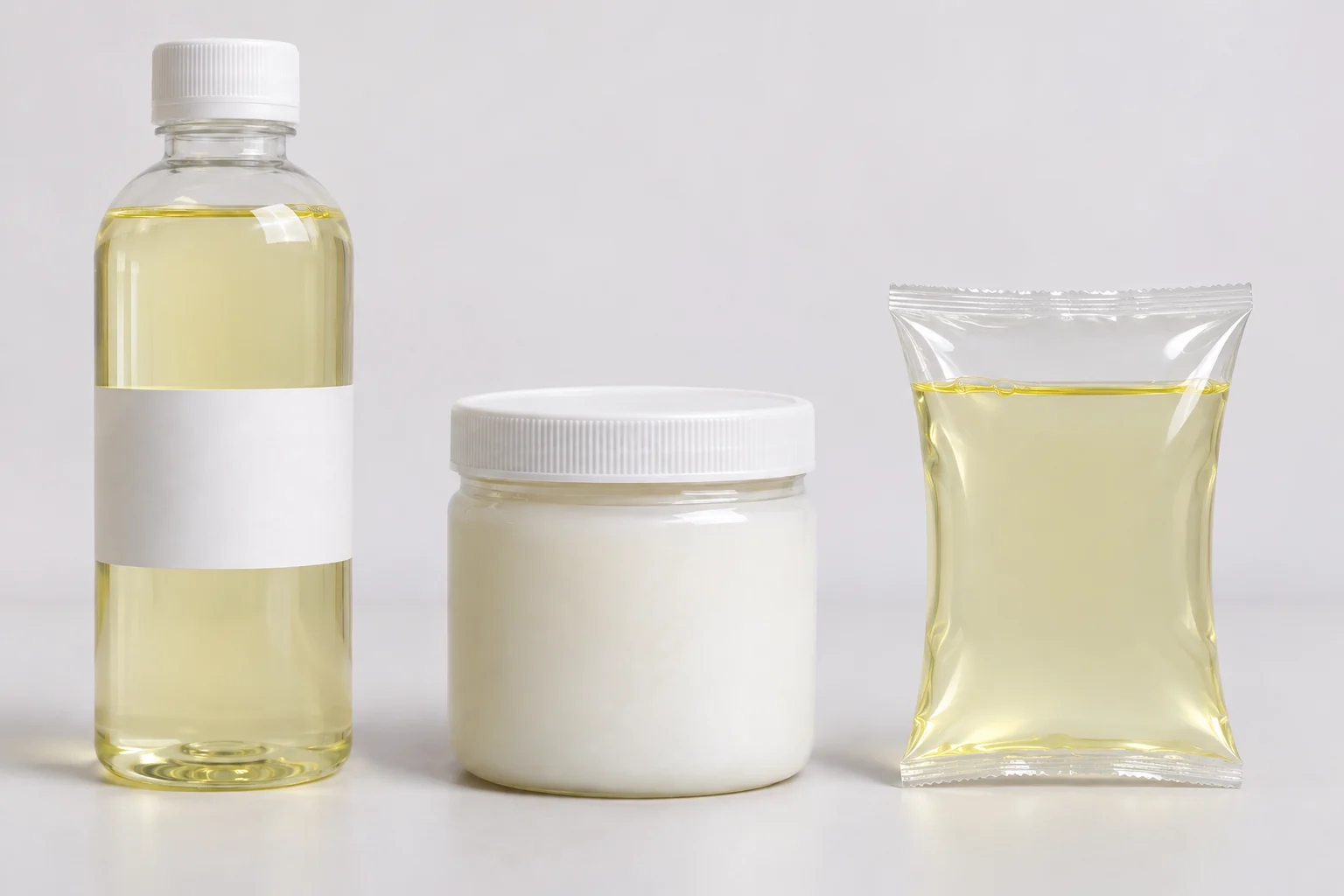
| Finished pack | Useful starting point | What changes the selection |
|---|---|---|
| Capped bottle | Pouring and repeated use, where the chosen opening suits the product in its expected use conditions. | Container stability, neck opening, cap handling and how the consumer removes oil if its state changes. |
| Wide-mouth jar | A product intended to be scooped or accessed through a larger opening. | Fill placement, neck cleanliness, lid engagement and the actual jar material. |
| Closed liquid pouch | A defined portion or refill pack, using compatible oil-dosing and film-sealing equipment. | Oil flow, pack size, sealing geometry and whether the customer needs a portion or a pourable refill. |
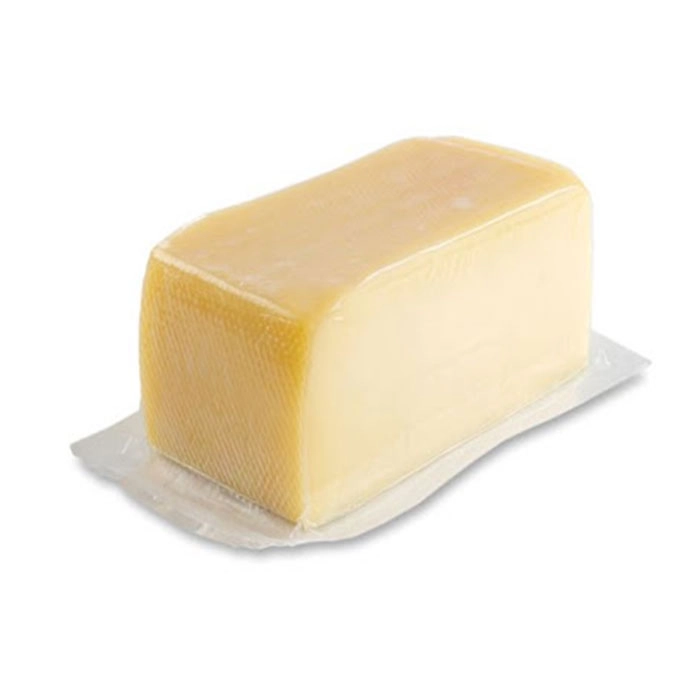
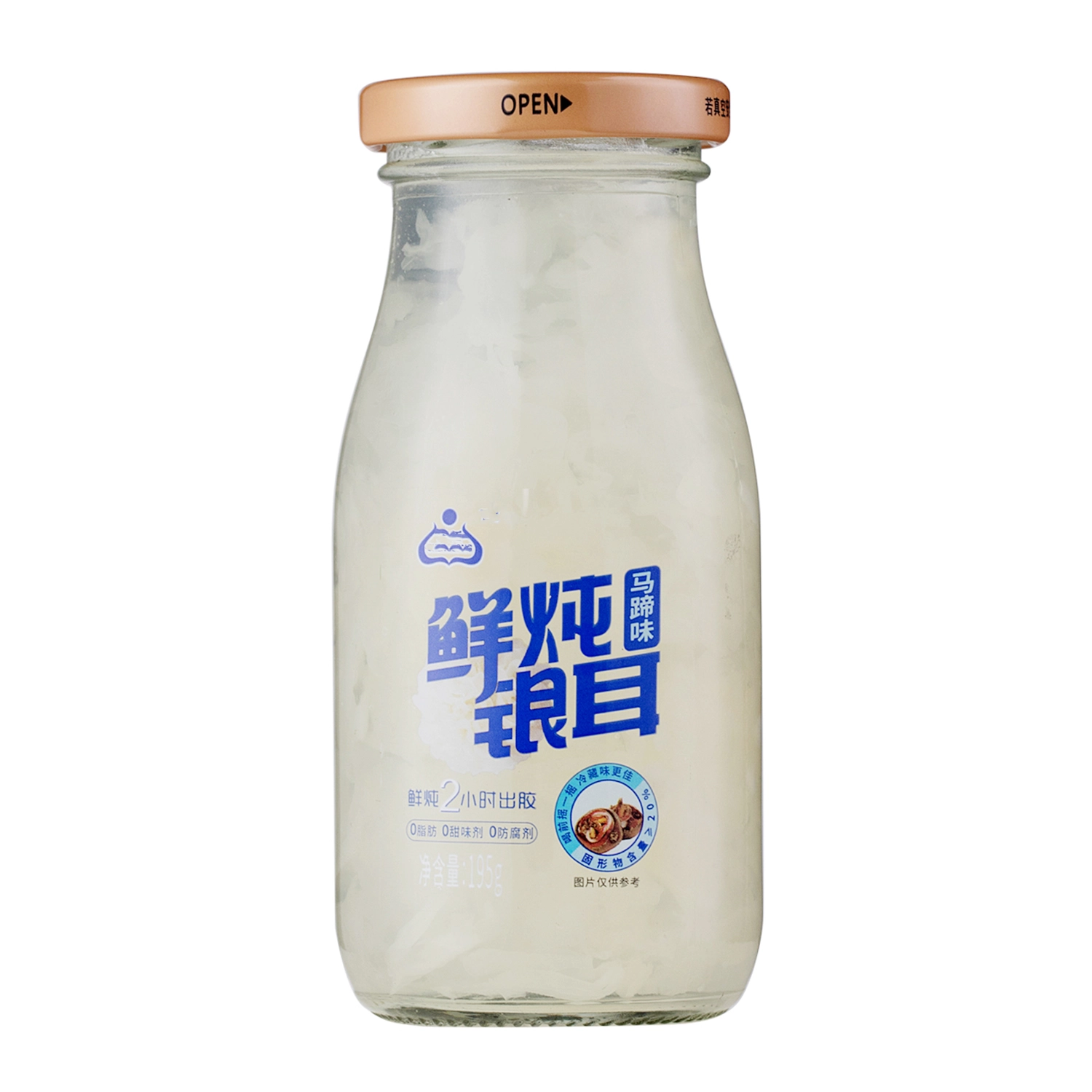
The oil’s appearance in a sample photo does not specify its filling condition. Test the actual formulation and expected factory conditions. Provide both a filled-pack target and a description of how the customer will open and use it.
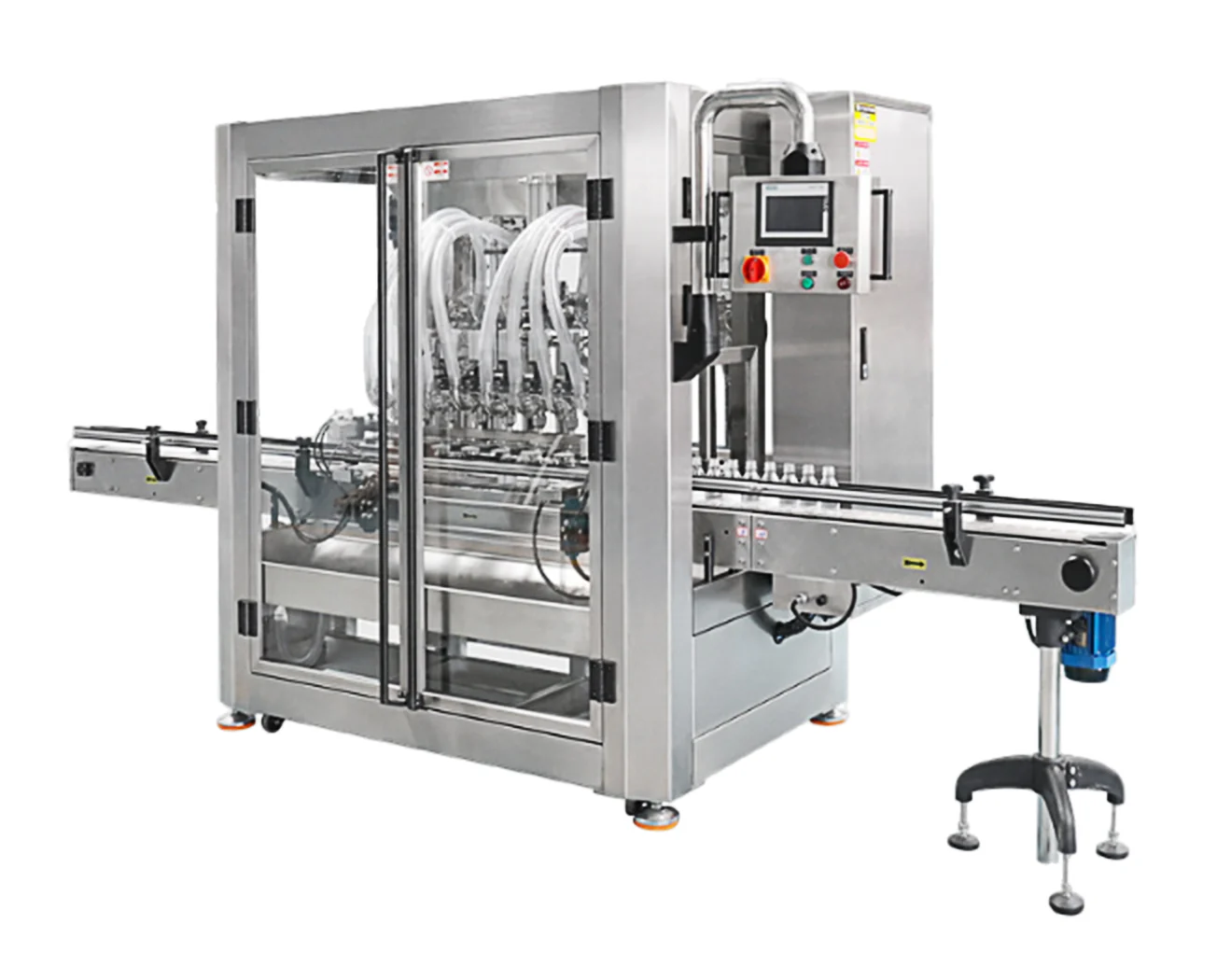
Bottle and jar filling
A bottle filling and closing arrangement pairs the dosing system with container handling and the selected closure. Pump or piston metering can be assessed according to the actual oil flow, required dose and cleaning method. More filling heads help only when the product supply and downstream closing operation can keep up.
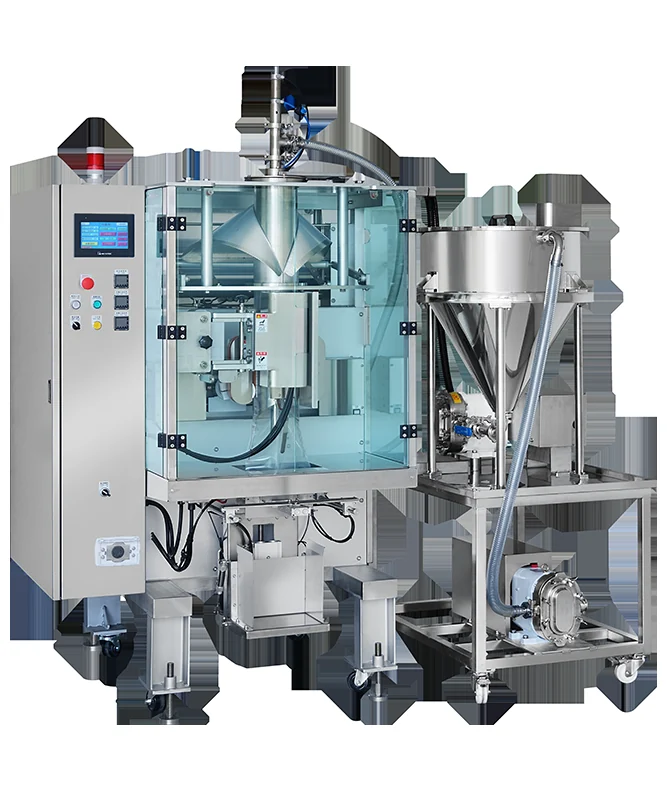
Rollstock pouch packing
For a liquid pouch packing route, the machine forms film, meters oil and seals the filled pack. Define the pillow or sachet seal layout before selecting the bagger. A back-seal pillow pouch and a four-side-seal portion pack require different film-forming and sealing arrangements.
Keep the oil consistent from supply tank to nozzle
Record the oil’s condition when the line starts, during the run and after a normal stoppage. A tank of flowing oil does not guarantee the same condition in a hose or at the nozzle. Identify any sections that cool, drain slowly or retain product.
If conditioning is required, specify it across the relevant product path, with suitable controls and access for cleaning. The product owner should establish an acceptable handling range for the actual formulation and containers. A universal heater setting is a poor substitute for that information.
Trial dosing consistency at the agreed conditions. When checking a volume claim by weight, use the actual product density and a defined measurement condition. Keep the test method consistent when comparing settings or suppliers.
Stop oil reaching the closure or sealing area
For bottles and jars, observe the nozzle withdrawal and the end of each fill. A trailing drop can foul the neck or threads before the cap arrives. Review the shutoff, nozzle position and timing, then check filled containers after closing and handling.
For pouches, inspect the film where the transverse seal will form. Oil creeping into that area can compromise the closure even when the outside looks tidy. Trial the actual production film, dose and seal cycle together; increasing seal temperature alone does not resolve a contaminated sealing surface.
Two projects that need different equipment scopes
Keep an existing bottle range
Supply oil consistently → fill the current bottle → close with the current cap → check the filled pack.
Start with the container and cap already used successfully. Check the transfer height, guides and cap supply before replacing equipment that still meets the task.
Add a refill pouch
Define refill opening and size → choose compatible film and bag geometry → dose and seal → check pouring and handling.
The pouch needs its own packaging trial. A bottle filler and capper do not become a pouch packer by changing the outlet nozzle.
Size the complete filling cycle
Specify accepted packs per hour at each required fill size. Include container or film replenishment, closure handling and rejected packs in a representative run. For a bottle line, ask what happens when the capper stops while filled bottles continue arriving.
Include a normal stop and restart in the acceptance run. Check the first fills after restarting, product left in the dosing path and the time needed to resume stable production. This can reveal a supply or conditioning problem that a short continuous demonstration misses.
Coconut oil packing machine price: define the configuration
| Equipment reference | Indicative USD budget | Boundary |
|---|---|---|
| Compatible bottle filling and closing arrangement | US$12,000 to US$50,000 | One defined ordinary, non-aseptic container and closure task. Special oil conditioning, extra formats and additional line equipment require separate confirmation. |
| Working coconut-oil pillow-pouch station | US$15,000 to US$50,000 | A compatible VFFS bagger, oil doser, ordinary product buffer and feed, and basic supported outfeed for one agreed format. Assumes oil reaches the doser in a stable, flowing condition. Special temperature conditioning is priced separately. |
| Base bagger within a pouch station | US$5,000 to US$30,000 | The bag-forming and sealing machine only. This component reference excludes the oil doser, product supply and outfeed included in the working-station budget above. |
These are early planning ranges for compatible new equipment supplied from China, with one ordinary, non-aseptic pack format. Compare the bottle filling-and-closing station with the working pouch station; use the base-bagger row to understand the machine component within that scope.
Freight, taxes, overseas installation, oil extraction or refining, production consumables and extra formats are excluded. Where the oil needs conditioning, Comwin specifies the affected tank, pipe and nozzle sections and lists that work separately in the proposal.
Comparing prices in India or Kerala
For a local purchase or an imported machine, compare the same product condition, fill size and operating tasks. Mark which offer includes capping, film sealing, temperature conditioning and change parts. Then add delivery, applicable charges and the agreed local installation and service scope. A bare filler price and a complete filling-and-closing price answer different purchasing questions.
What the sample run should establish
- Stable dosing with the actual coconut oil at the agreed starting and running conditions.
- Clean container necks or pouch sealing areas, followed by the agreed closure-integrity checks.
- A normal stoppage and restart, including the first acceptable packs afterwards.
- Replenishment, a format change and cleaning access around the product-contact path.
Use retained filled packs to assess the product and package under their intended storage and transport conditions. Confirm those conditions with the food-production team; the packing machine alone does not establish a shelf-life claim.
Send the oil condition and finished-pack target
Provide the oil formulation or a representative sample, expected filling conditions, dose range, container or film sample and required accepted packs per hour. Describe what happens to the oil during a normal overnight stop. Photos of the current filling or sealing problem help us focus the trial.
Comwin offers free sample testing, a two-year machine warranty and a three-year warranty for core components. Remote support responds within 24 hours. Training, installation and spare-part responsibilities are agreed in the proposal.