
As a national-level specialized “little giant” enterprise in China’s new energy intelligent equipment field, Shenzhen Comwin Intelligent Equipment Group Co., Ltd. (Comwin Group) has deeply participated in and witnessed the explosive growth of the global lithium battery industry since its establishment in 2011. Our business has gradually expanded from semiconductor displays and microelectronic circuits to new energy power/storage batteries, hydrogen fuel cells, and photovoltaics, with the new energy sector becoming the core engine of the group’s development. Today, we would like to share our observations and reflections on the export of battery pack assembly lines from the perspective of a Chinese equipment manufacturer.
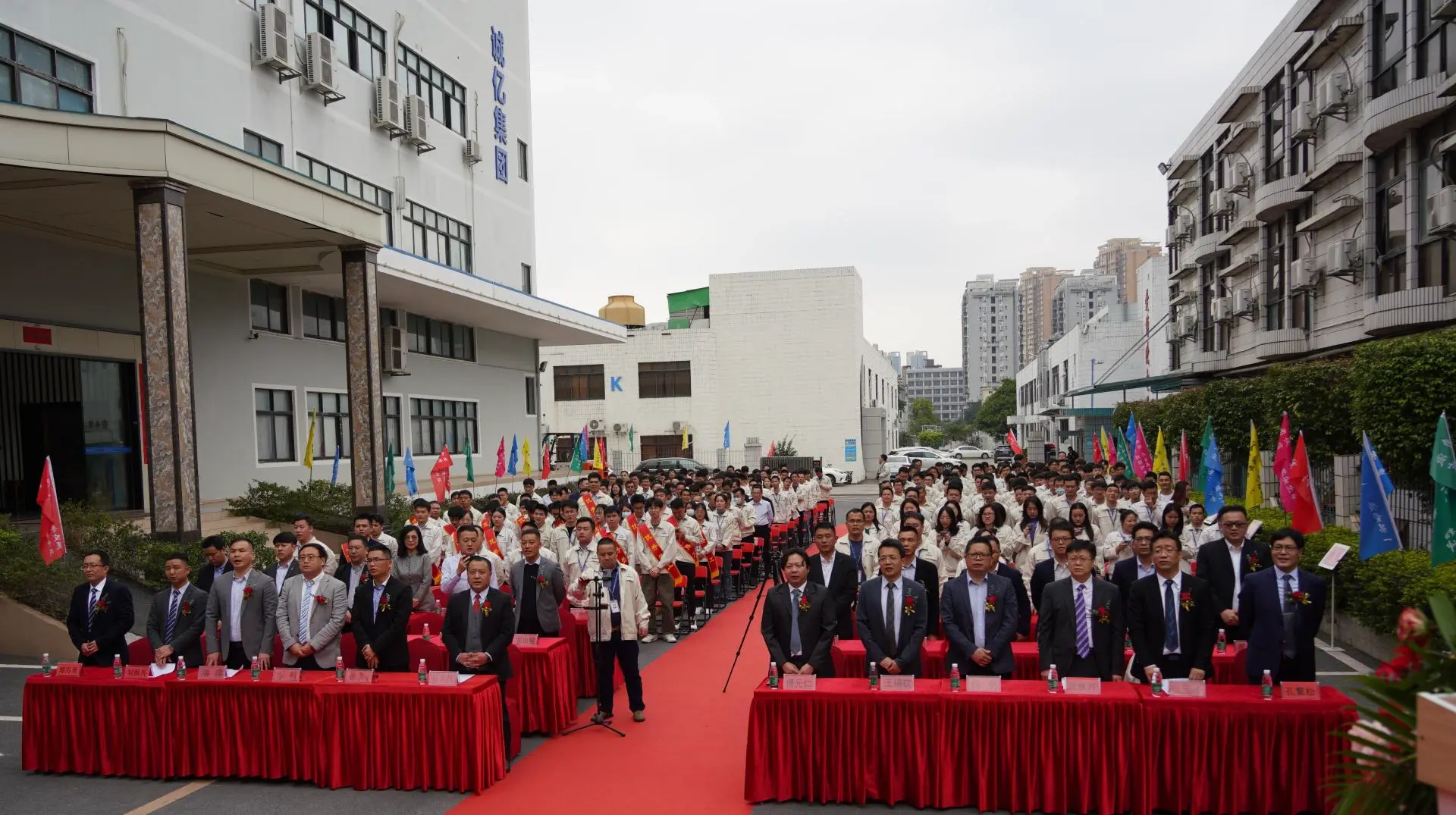
1. Who We Are: Technology as Our Anchor, Deeply Cultivating the Industry
In the new energy sector, we are not merely equipment suppliers; we are partners providing comprehensive one-stop intelligent factory solutions. Our team has over ten years of industry experience, ensuring a solid professional foundation and profound understanding of processes when delivering innovative solutions.
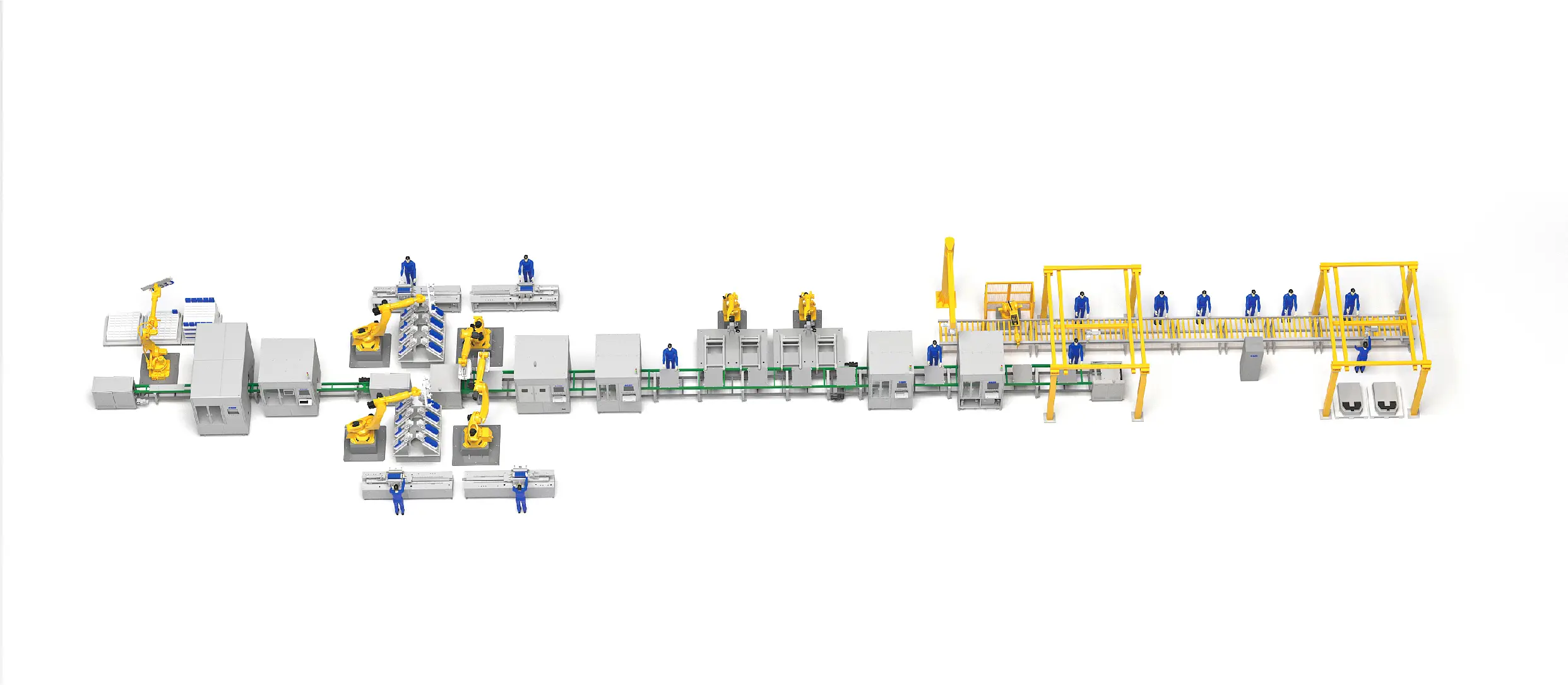
Our product line fully covers key equipment such as energy storage/power module PACK lines, container assembly lines, prismatic cell assembly lines, and cover assembly lines. We can provide customized automated production lines tailored to different battery types (cylindrical, prismatic, pouch) and application scenarios (power, storage). For example, our energy storage module PACK line solution integrates cell OCV testing, plasma cleaning, module stacking, laser welding, insulation withstand testing, and complete MES traceability functions, achieving a yield rate of 99.9% and equipment efficiency of ≥30 PPM. For large energy storage systems, our energy storage battery container assembly line solution realizes full-process automation from cabin hoisting, PACK installation, to system liquid filling and EOL testing, aiming for a yield rate of 100%.
2. Global Market Insights: Demand Differentiation and Technological Integration
The export market for battery pack assembly lines is not monolithic but shows significant regional and technological differentiation.
- Market Demand Driven Differentiation: The demand for electric vehicles and high-end energy storage systems in Europe and the United States is robust; however, their domestic manufacturing costs are high. Thus, there is an urgent demand for automated, intelligent, and highly reliable complete line solutions. They focus not only on purchasing equipment but also on the supplier’s ability to provide ongoing technological upgrades and localized service support. In emerging markets like Southeast Asia and India, which are still in the early stages of capacity construction, more attention is paid to cost-effectiveness, production line flexibility (compatibility with multiple battery models), and rapid delivery capability.
- Rapid Technology Iteration: The battery assembly technology is evolving from traditional module-to-pack (MTP) towards cell-to-pack (CTP) and cell-to-chassis (CTC) integration. This imposes revolutionary requirements on assembly lines: higher integration precision, more complex thermal management assembly processes, and stricter quality control. As exporters, we must maintain technological foresight, ensuring our production line designs can accommodate clients’ future technology upgrades.
- Safety and Standards as Core Barriers: Globally, battery safety hangs overhead like the “Sword of Damocles.” Export equipment must not only meet Chinese national standards but also comply with the safety certifications of destination markets (e.g., UL, IEC standards). Additionally, precautions regarding patent barriers in using insulative materials like aerogels within battery packs are necessary to avoid intellectual property disputes. This requires us to export not just hardware but also a production logic that adheres to the highest international safety norms and quality systems.
3. Challenges of Exporting and Our Response
The path to internationalization presents vast opportunities, yet it also entails significant challenges. We believe the core challenges and our response strategies are as follows:
| Challenge | Specific Manifestation | Comwin’s Response Strategy |
|---|---|---|
| Rapid Technology Iteration | Quick changes in cell forms and grouping technologies (CTP/CTC) lead to potential obsolescence of equipment. | Adhere to modular and flexible production line design. During the confirmation phase, engage deeply with clients about cell compatibility ranges and future technology routes, reserving upgrade space. |
| Patent and Compliance Risks | Materials and structural designs may touch on overseas patents; compliance with multiple safety and environmental regulations is required. | Establish an intellectual property auditing mechanism; prioritize using core materials and components with legitimate patent licenses; ensure overall line design meets destination market standards. |
| Localization Service and Support | High costs and slow responses for remote debugging and maintenance affect customer experience and capacity ramp-up. | Build a global service network and cultivate local technical teams; utilize AR remote assistance and digital operation maintenance platforms to provide immediate support. |
| Cultural Differences and Trust Building | International clients have technical doubts about emerging Chinese brands, leading to trust barriers in communication. | Open domestic demonstration factories for visits; provide detailed process validation reports and data; establish long-term interests through joint ventures and deep cooperation. |
4. Future Outlook: From Equipment Export to Ecological Empowerment
We believe that competition in the export of battery pack assembly lines will transcend simple price battles to become a competition of “technology ecosystems.” This includes:
- Synchronizing with Material and Process Innovations: We must maintain close interactions with cell manufacturers and material suppliers to ensure production lines can adapt to the latest cell technologies and material characteristics (e.g., sodium-ion batteries, semi-solid batteries).
- Deep Integration into the Digital Wave: The MES traceability systems we provide are not just functions; they are the data cornerstone for customers to achieve full lifecycle management of batteries and meet carbon footprint tracking requirements. Future production lines will be important nodes in the industrial internet.
- Providing Sustainable Solutions: In the context of global energy transition, helping customers build efficient, low-carbon, and safe battery factories is itself the best reflection of our value.
Conclusion
From our headquarters in Baoshan District, Shenzhen, our equipment has served many well-known battery manufacturers and complete vehicle enterprises worldwide. As a member of China’s battery pack assembly line exporters, we understand that the road ahead involves continuous technological ascent, profound local insights, and a firm commitment to long-termism. We aim not just to export equipment but to become the most trusted partner for global customers on the path of intelligent manufacturing in new energy, jointly driving the world towards a sustainable energy transition.
#Battery Pack Assembly Line Exports