
EV Battery Pack Assembly Line – The Core of Manufacturing from Cell to System Integration
Introduction
- Background and Driving Forces: The continuous rise in global electric vehicle adoption (with China’s new energy vehicle sales accounting for nearly 70% of the global market) has driven an urgent need for efficient, safe, and highly consistent battery pack production capacities. Additionally, rapid iterations in battery technologies (such as solid-state batteries), packaging forms (prismatic, cylindrical, pouch), and integration solutions (CTP/CTC) are increasing demands for flexibility and intelligence in production lines.
Chapter 1: Overview of Battery Packs and Assembly Lines
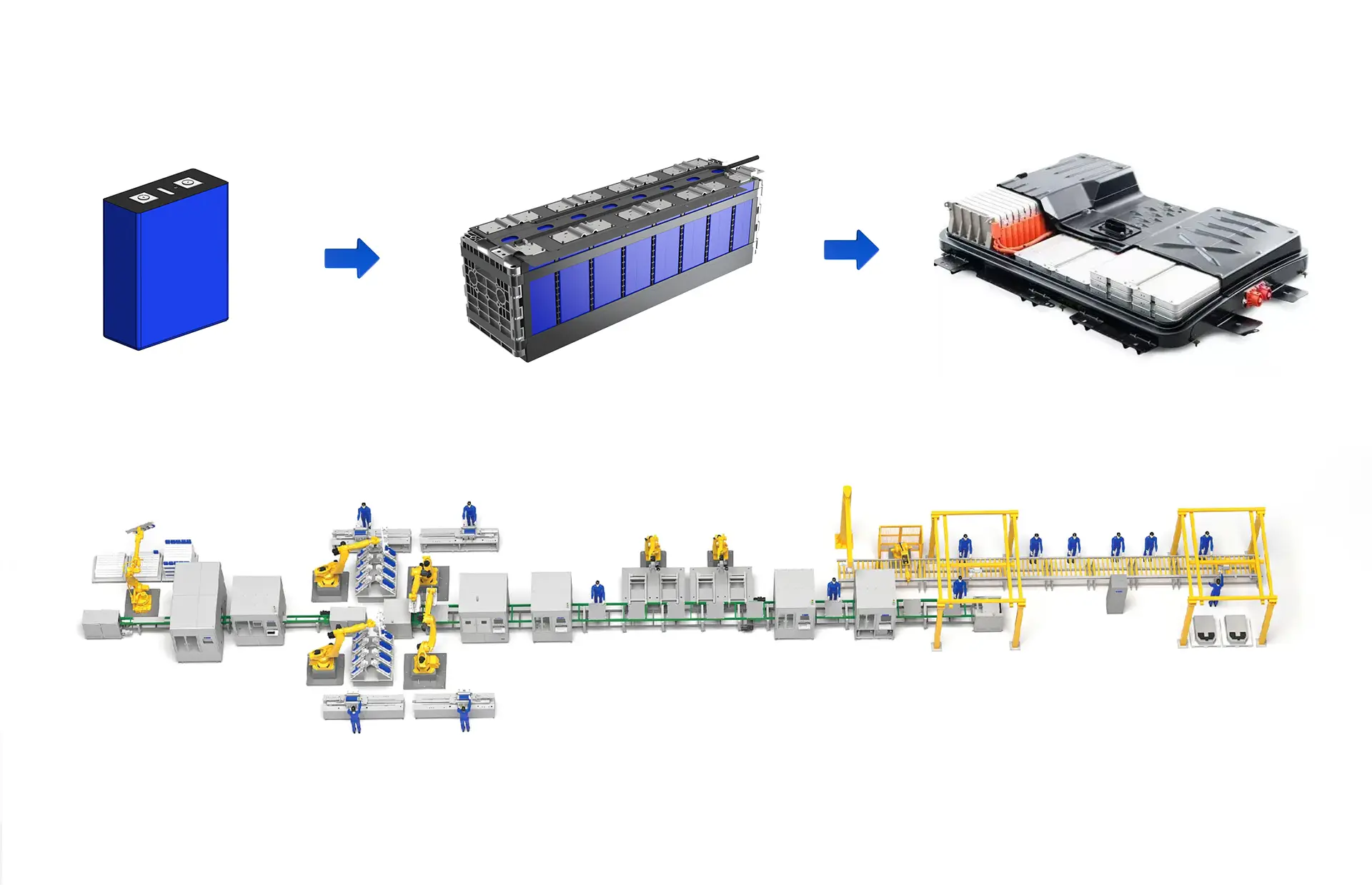
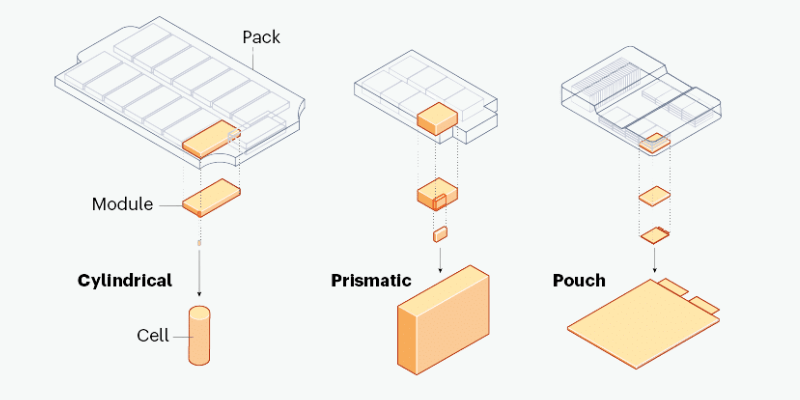
- System Deconstruction of Battery Packs: Detailed analysis of the basic structure of battery packs, the “heart” of electric vehicles, including:
- Basic Units: Battery cells (three packaging forms: cylindrical, prismatic, pouch).

- Integrated Carriers: Modules (traditional modules and modular-less technologies like CTP).
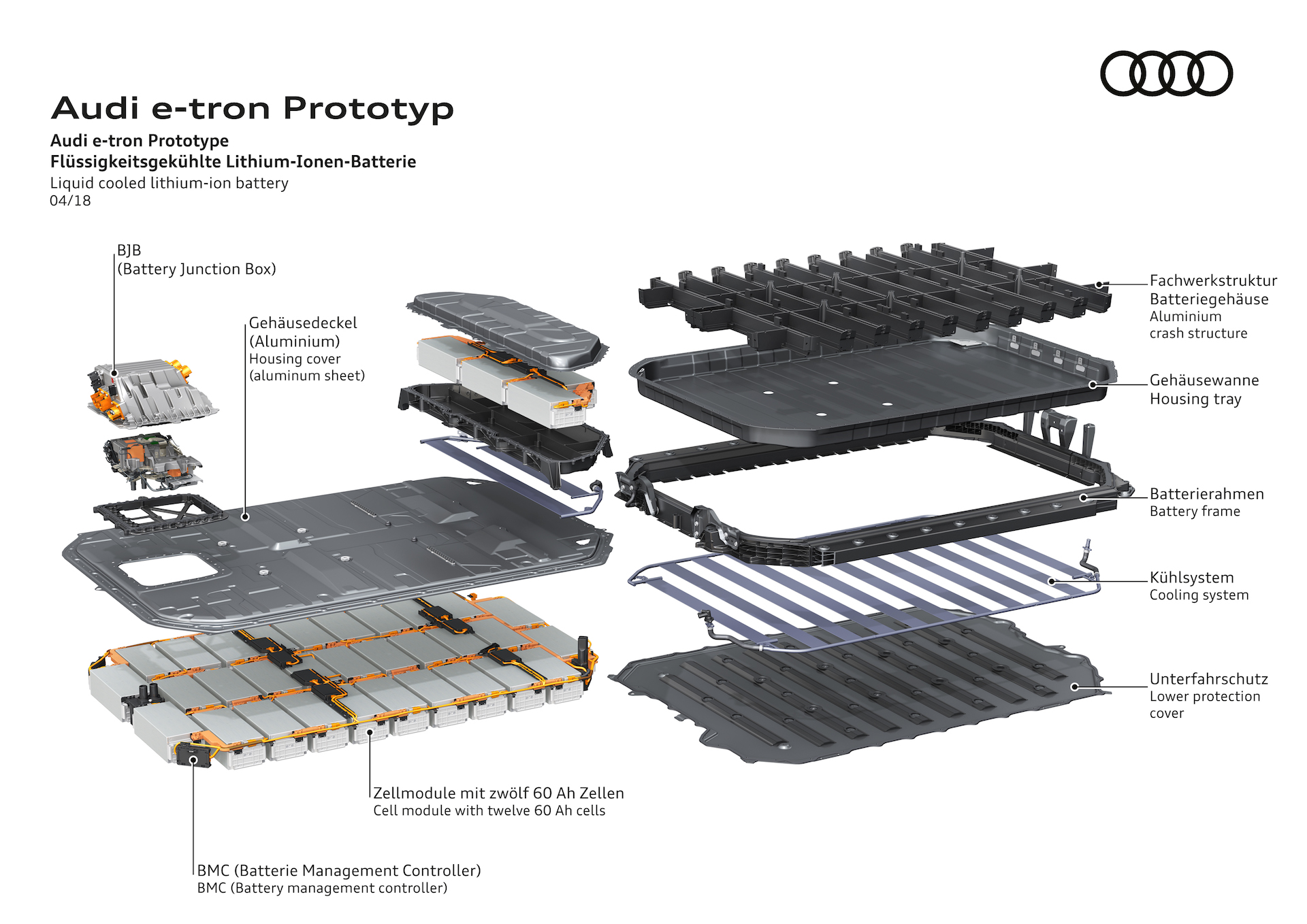
- System Composition: Pack housing/casing (cast aluminum, composite materials), thermal management systems (liquid cooling, air cooling, phase change materials), battery management systems (BMS), high-voltage distribution units (PDU), and low-voltage wiring harnesses.
Chapter 2: Types, Classification, and Layout Planning of Assembly Lines
Fully Automated Assembly Lines vs. Semi-Automated Assembly Lines
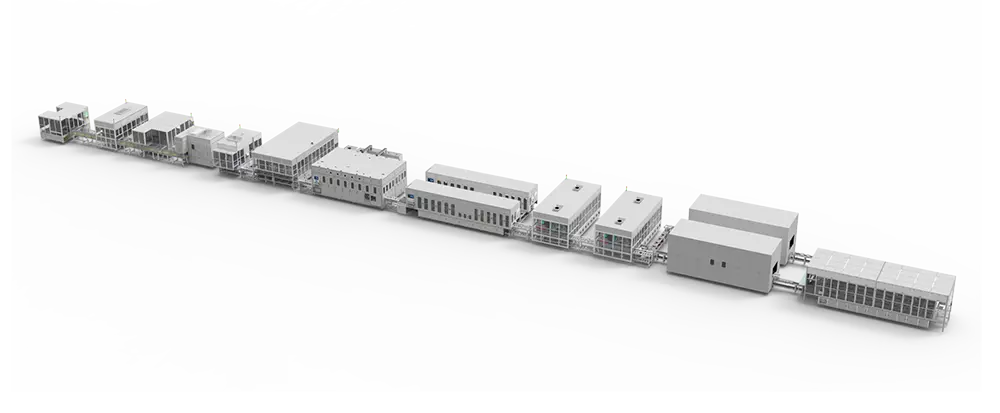
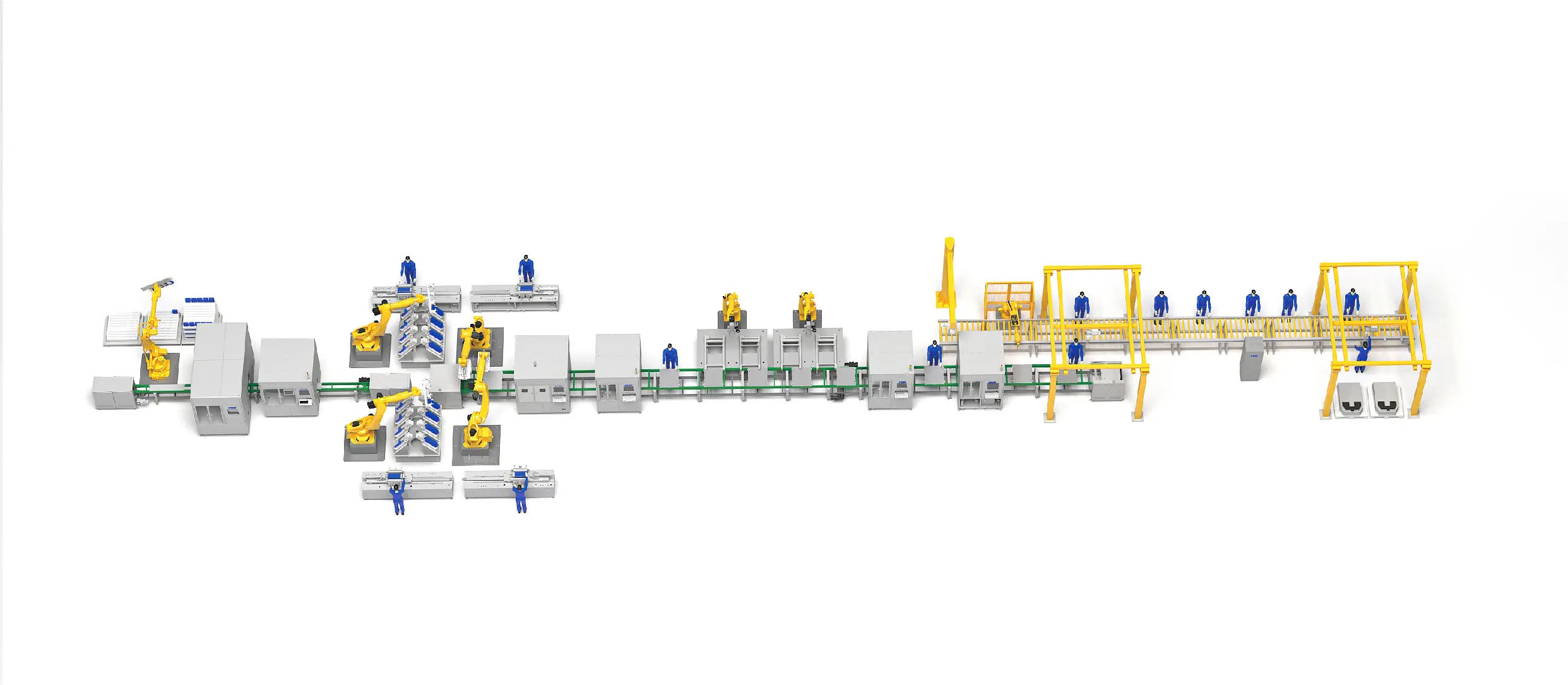
Different Types of EV Battery Pack Assembly Lines
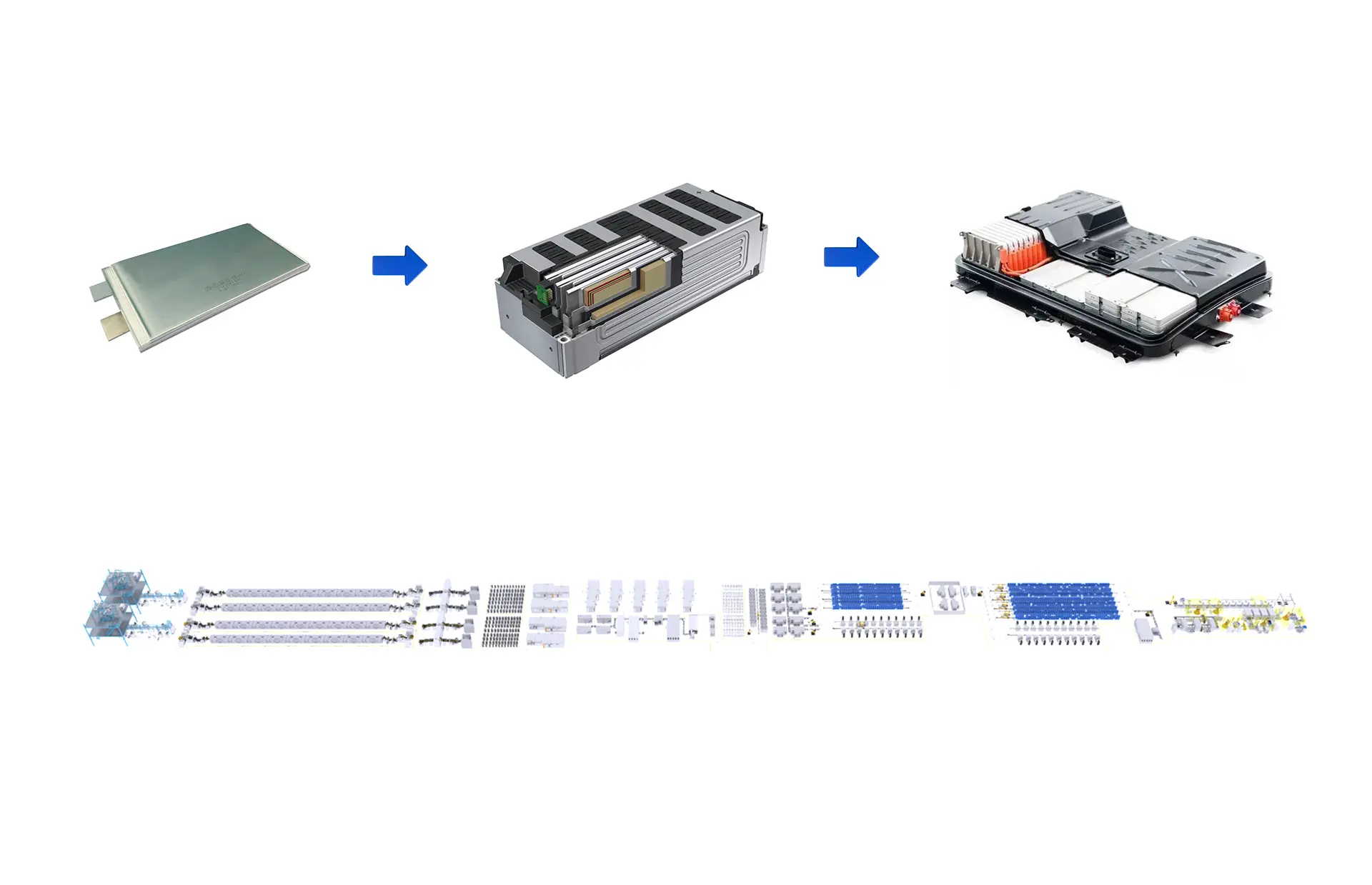
Pouch Battery Pack Assembly Line
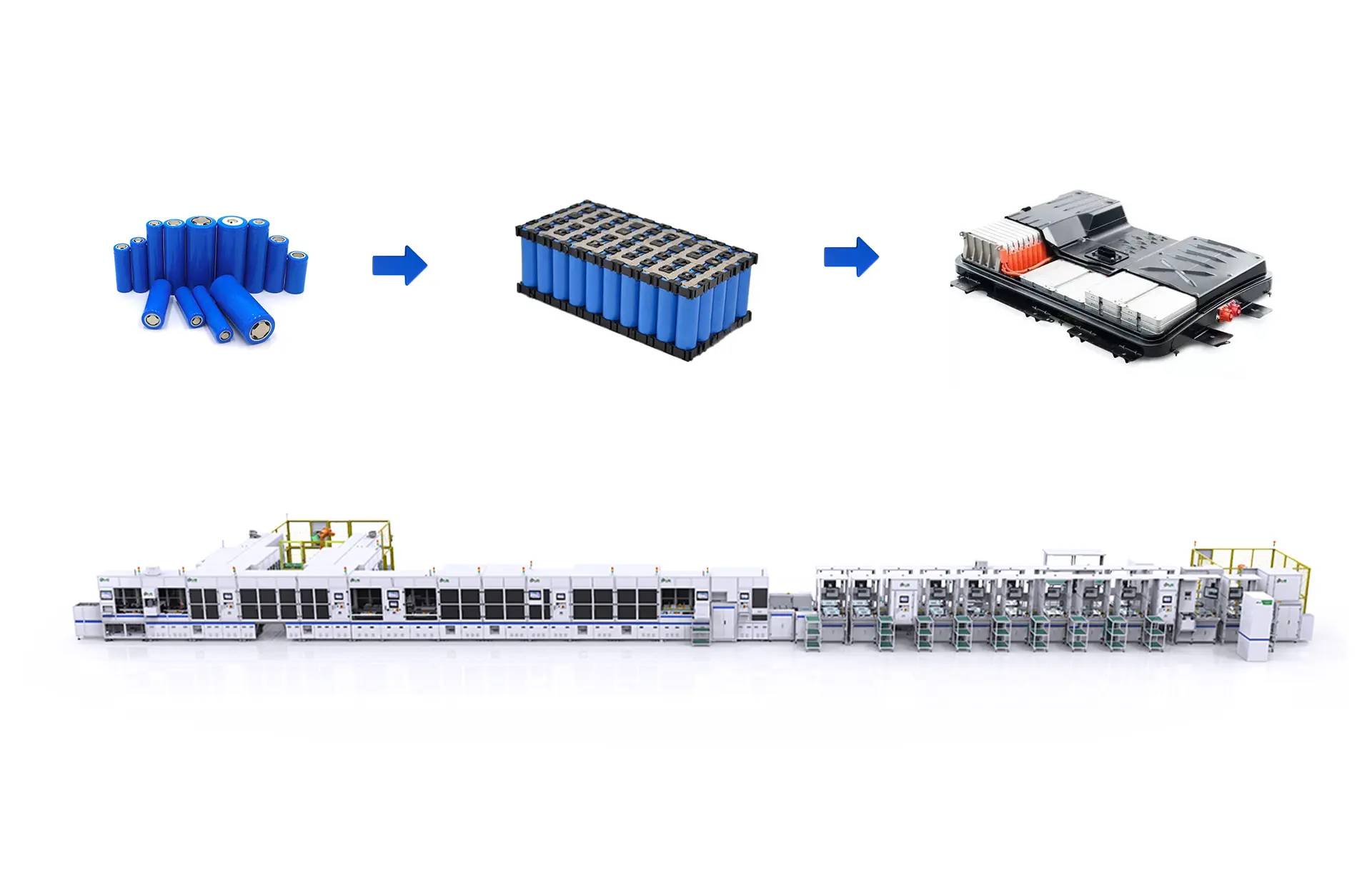
Cylindrical Battery Pack Assembly Line
Prismatic Battery Pack Assembly Line
Chapter 3: EV Battery Pack Assembly Process Flows (from Raw Materials to Finished Products)
This section is crucial and will elaborate on specific process challenges:
- Incoming Material Inspection and Preprocessing: Acceptance and initial performance screening of battery cells, structural parts, wiring harnesses (high and low voltage), and connectors (copper and aluminum busbars).
- Module-level Assembly:
- Cell Stacking/Arrangement: Use appropriate methods based on shape, such as prismatic or cylindrical.
- Electrical Connections: Focus on busbar connections, including laser welding, bolted connections, crimping/riveting techniques, especially the challenges and solutions of connecting dissimilar materials (like nickel plating transitions and conductive paste applications).
- Integration Collection: Installation and connection of flexible circuit boards (FPC) or wiring harnesses for voltage and temperature signal collection.
- Module Testing: Conducting internal resistance, voltage, insulation, and screening for non-conforming products.
- Battery Pack Final Assembly:
- Module boxing and securing.
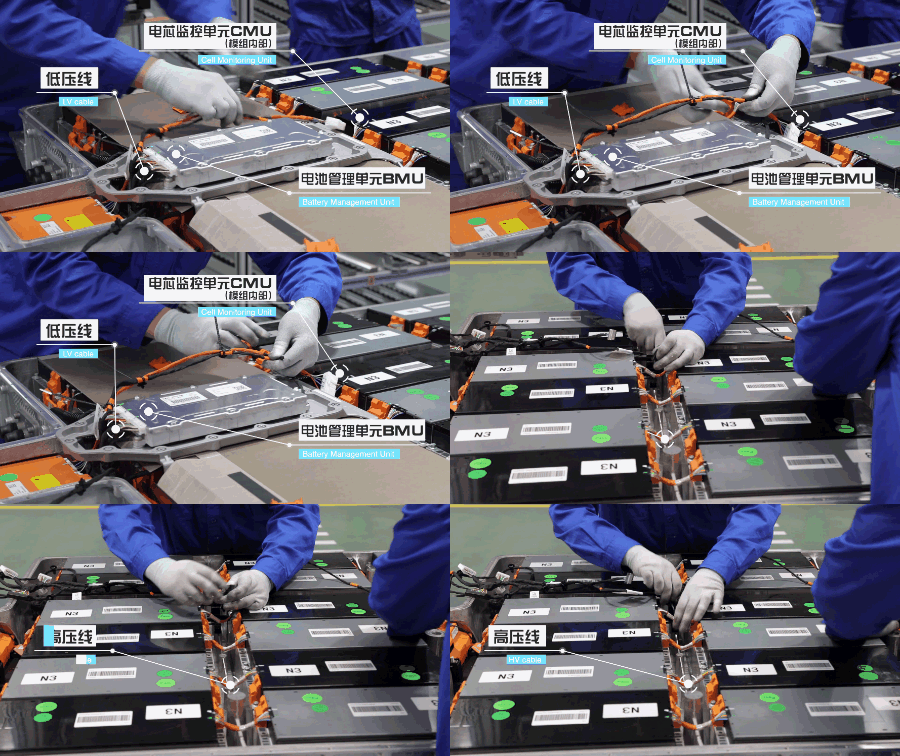
- High and low voltage wiring harness assembly: Detailed explanation of assembly steps, torque control, cleanliness, and anti-static requirements.
- Thermal Management System Installation: Installation and initial sealing checks of liquid cooling plates, pipelines, and pumps/valves.
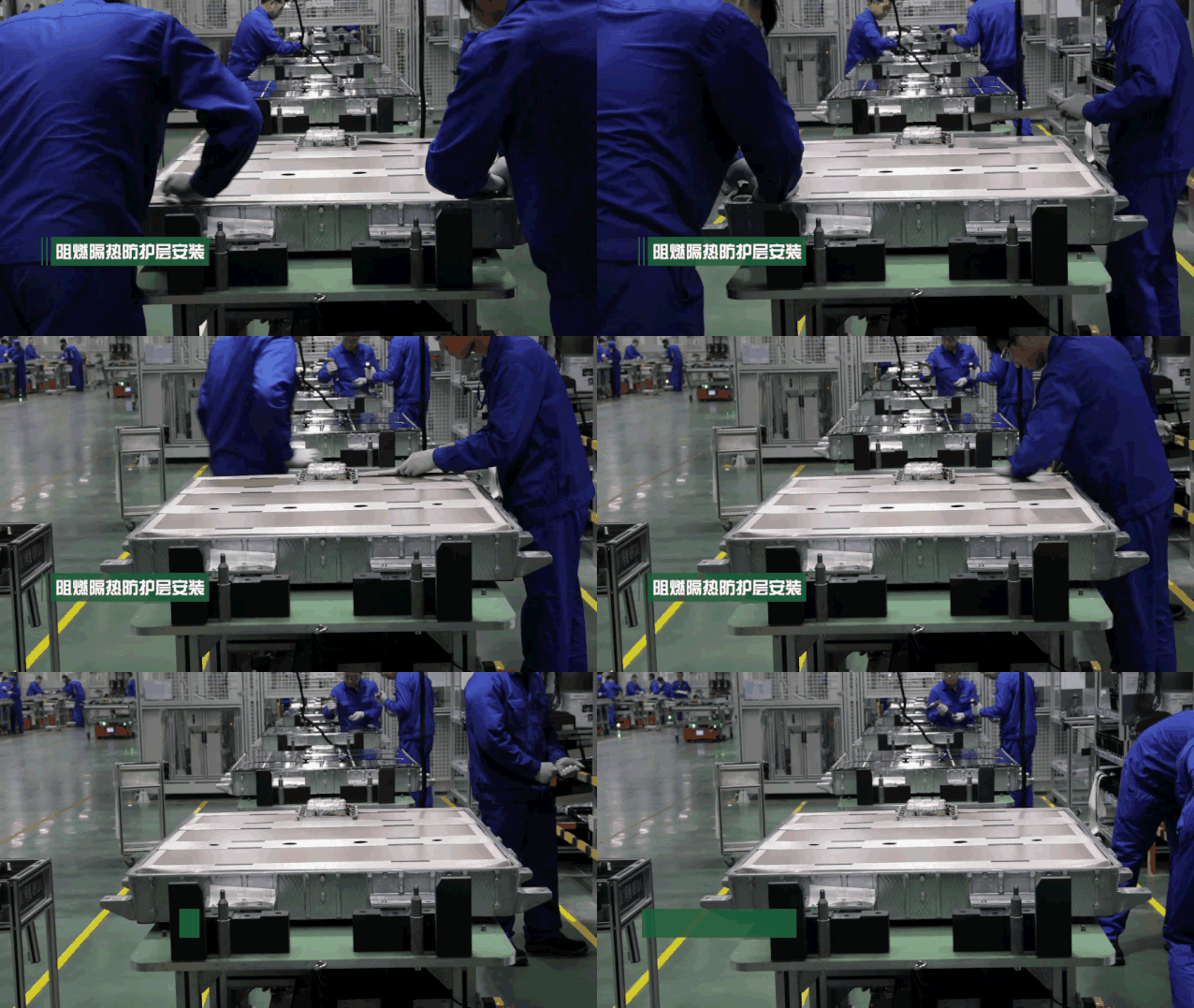
- BMS/PDU and Other Key Component Integration.
- Safety Component Installation: Focus on the safety valve as the “final line of defense,” highlighting its role in relieving pressure, balancing internal and external pressure differences, waterproof and dustproof (IP67/IP68), and passing stringent salt spray corrosion tests.
- Sealing and Cover Assembly: Ensure the battery pack’s IP protection rating.
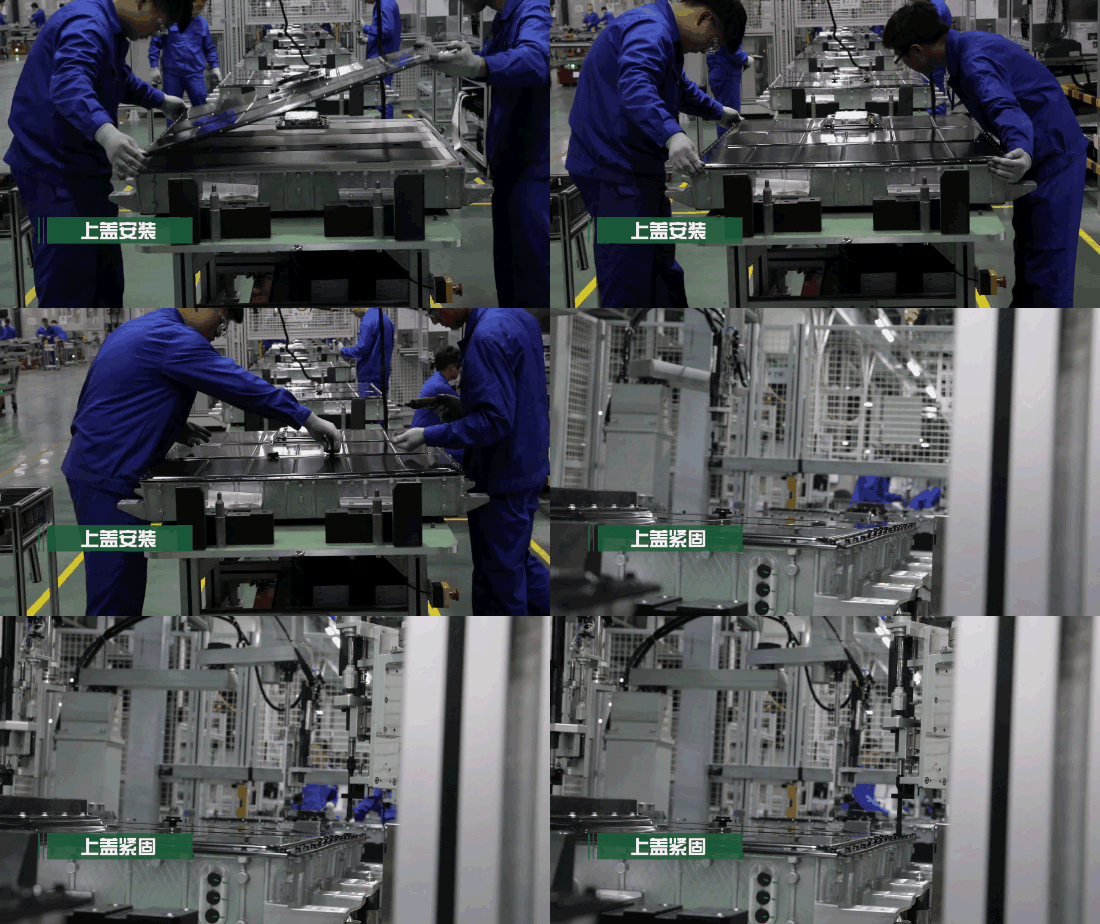
- Full Function Testing and Factory Inspection:
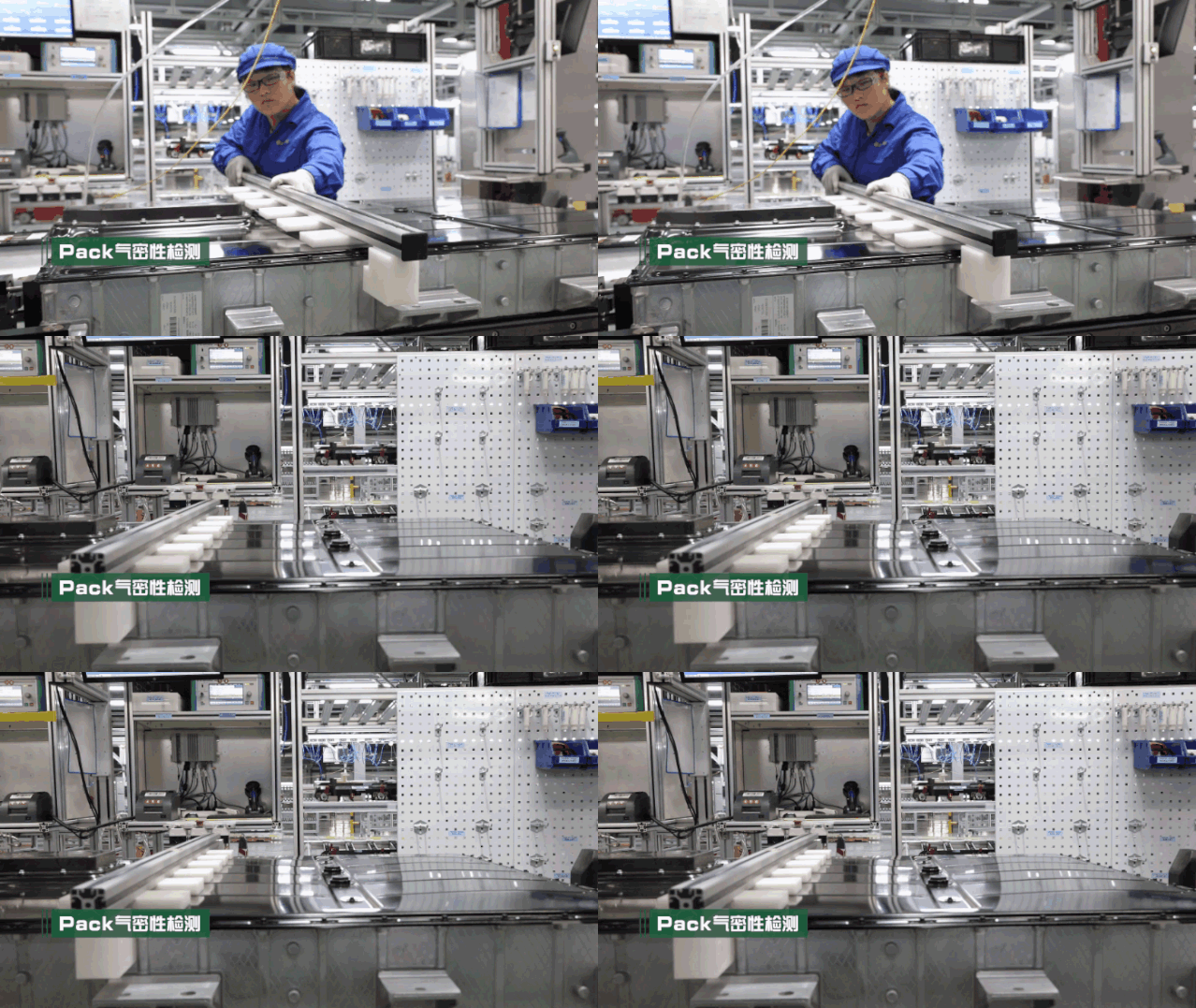
- Air Tightness Testing (using air or helium).

- Charging and Discharging Testing (EOL Testing).
- Performance and Safety Testing: Insulation resistance testing (usually above 100MΩ), SOC calibration, thermal management function verification, and communication diagnostics.
- Final Assessment and Packaging.
Chapter 4: Key Equipment, Automation Technologies, and Data Traceability
- Logistics and Handling: Application and emergency response planning of AGVs, conveyor belts, and robotic sixth axes.
- Core Process Equipment: Robots (for welding, gluing, handling), high-precision tightening tools, and automatic glue dispensers.
- Process Inspection and Quality Control Equipment: Machine vision (for appearance, code reading, localization), force sensors, leakage detectors, and electrical safety testers.
- Data Traceability and Production Management: Achieve lifecycle data traceability from individual cells to entire battery packs through barcode/RFID, MES (Manufacturing Execution Systems), and ERP integration, thus providing a basis for quality analysis and improvement, aligning with the industry’s trend towards “battery passports” and lifecycle management.
Chapter 5: Quality Control, Safety Management, and Compliance
- Comprehensive Quality Control: Establishing key process control points, applying Statistical Process Control (SPC), and creating defect management and rework procedures.
- Incorporation of Safety Design into Manufacturing: Production line designs must consider the inherent safety risks of battery products.
- Thermal Runaway Protection: Setting up dedicated fire protection devices (such as PFEO Fire Extinguishers) in flammable workstations during welding, gluing, etc.
- Environmental Monitoring: Monitoring of flammable gases and smoke concentration with rapid response measures.
- Personnel Safety: High voltage safety locks, insulated tools, and anti-static measures.
- Environmental, Health & Safety (EHS): Handling production waste (like metal shavings), chemicals, and ensuring occupational health.
- Compliance and Certification:
- Product Standards: Compliance with national standards (e.g., GB 38031), international standards (e.g., UN38.3 transport tests, IEC/UL).
- Production System Certification: Such as IATF 16949 automotive quality management systems.
- Emerging Regulations: Monitoring and pre-adapting to requirements regarding carbon footprint and recycled material ratios in the new European Union battery regulations, as well as the mandatory provisions in China’s interim regulations on the recycling and comprehensive utilization of spent power batteries for new energy vehicles, which will influence the design and manufacturing strategies of battery packs reverse.