A candy packaging machine needs to match the finished pack and the condition of the sweet. For formed candy bars or blocks in sealed individual packs, start with a suitable horizontal flow wrapper; a manual-feed machine has an indicative budget of USD 5,000 to 25,000. Double-twist candy wrapping uses a different mechanism, provisionally USD 15,000 to 45,000. Loose candy sold by weight needs dosing and bagging, not individual wrapping.
Comwin matches the wrapping mechanism, feeding and portioning to your finished sweet. Start with the solid-candy routes below. Flowable jelly and sweets in syrup have a separate filling section because they need dosing and container closure rather than individual wrapping.
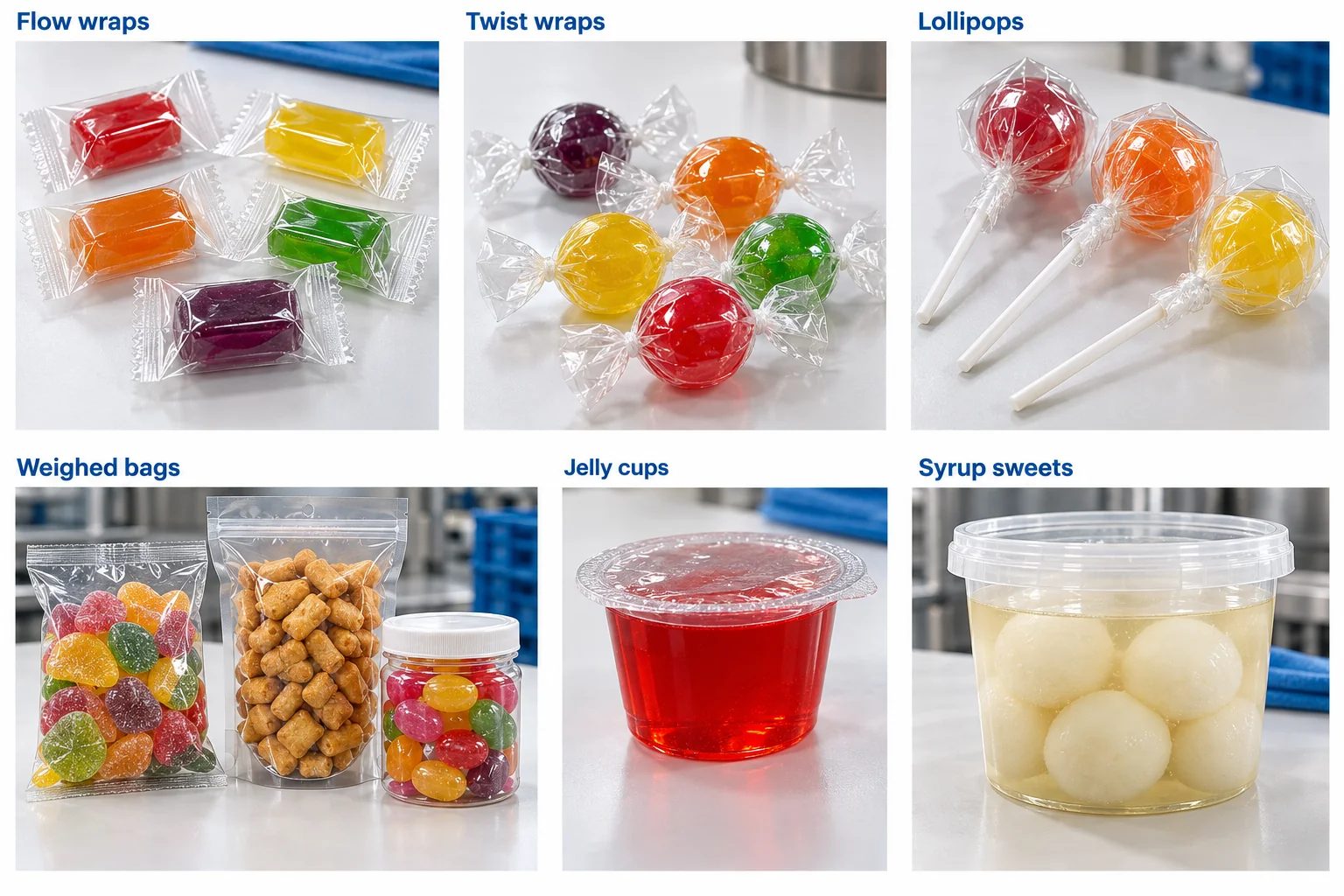
Choose individual candy wrapping or retail bagging
| Product and finished pack | Equipment route | Selection reason | Change the route when |
|---|---|---|---|
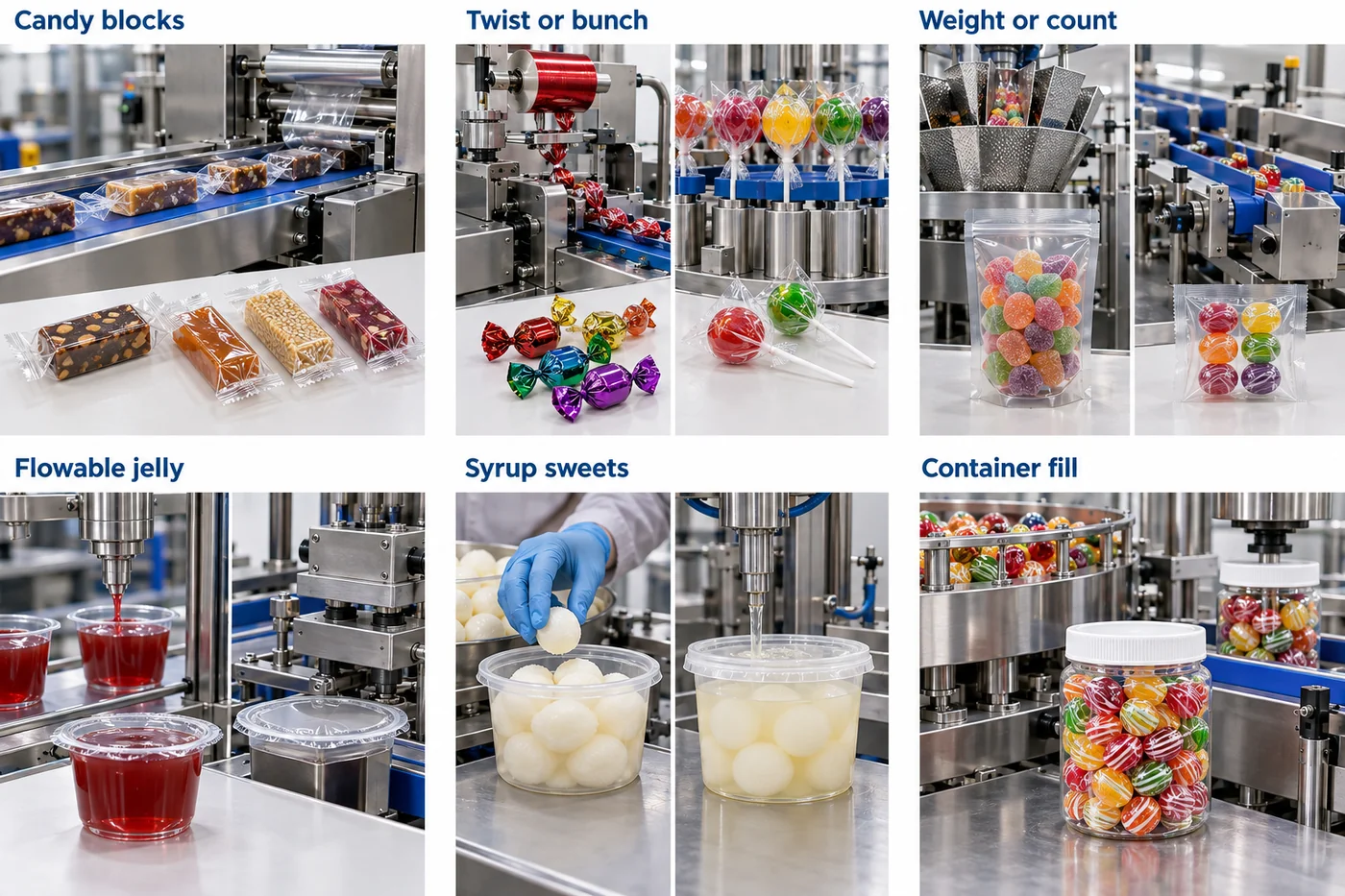
| Formed candy block or bar in a sealed pillow pack | Manual or matched feeding, flow wrapping and heat sealing | The package needs a longitudinal seal and end seals around a positioned product | A sticky surface requires different contact/film, or the desired appearance is twist wrapping |
| Hard candy or taffy in double-twist wrap | Suitable orientation and a dedicated twist wrapper | The material and mechanism must hold the selected twists | The storage requirement needs a validated sealed barrier |
| Lollipop with a stick | Stick orientation and suitable bunch or dedicated wrapping | The head and stick need a controlled position | The selected shape, stick or package cannot pass the chosen orientation and wrapping mechanism |
| Loose or already wrapped candy in a bag or jar | Suitable weighing or counting, bag/container handling and closing | The sale unit needs a net weight or a specified number of pieces | Fixed counts replace weight control, or sticky sweets fail to separate reliably |
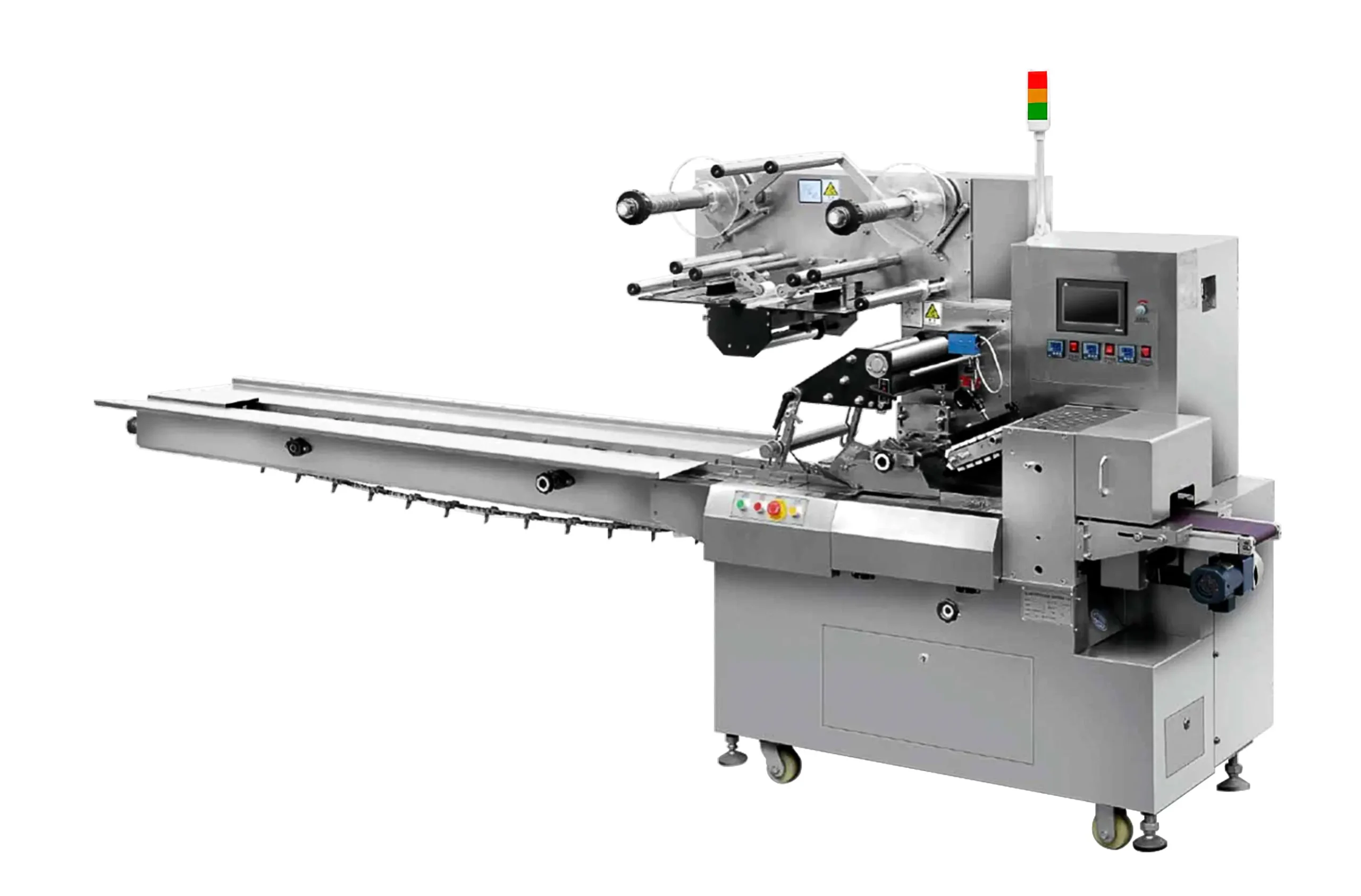
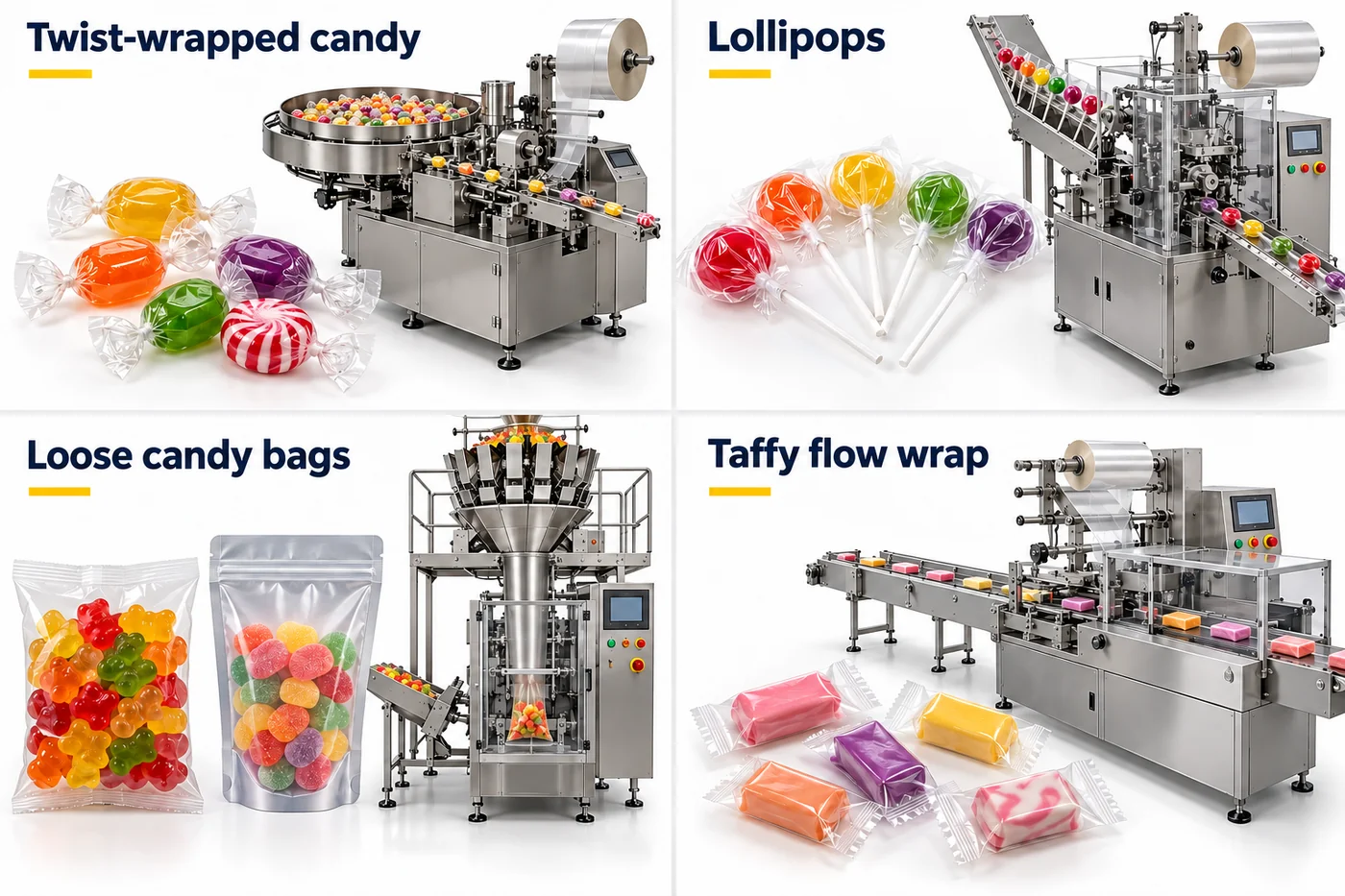
For individual sealed packs, our horizontal flow-wrapping equipment is the relevant route. A candy bar wrapper and a taffy wrapper still need a trial of the actual surface, dimensions and packaging material. A twist pack has a different closure; its appearance alone does not establish an airtight barrier.
Loose candy, chin chin and rigid-container filling
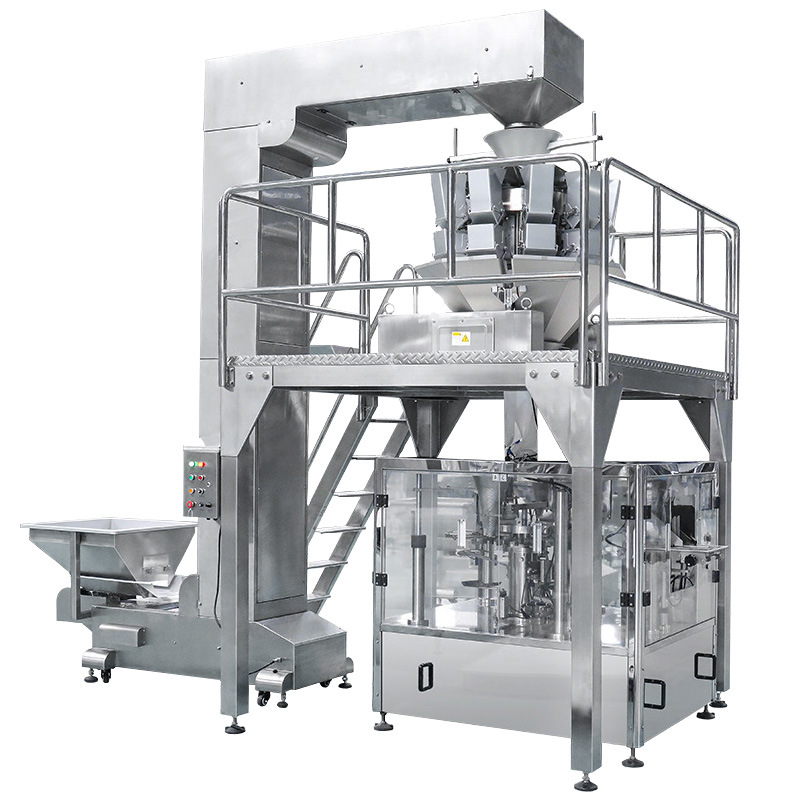
A candy bagging machine doses loose or already wrapped pieces into the retail bag. Use weighing for a net-weight bag, or suitable counting when the label promises a number of pieces. A premade-pouch machine opens and fills the selected pouch before its factory top seal; a VFFS machine makes the bag from roll film. Our premade-pouch equipment can be evaluated for the specified candy configuration.
Chin chin is handled here as finished fried pieces. Trial its crumb generation and feeding for weighed bags. For candy in rigid containers, match the solid dosing and actual cap or lid. Solid candies need compatible solid dosing.
Small orders and manual feeding
For frequent small batches, an operator can place each formed sweet into a suitable flow wrapper while the machine forms and seals the pack. This is different from entirely hand wrapping. For a tabletop wrapper, specify how it contacts the sweet, forms the pack and uses the operator. A small tablet counter does not demonstrate that sticky candy will separate and count correctly.
Keep manual feeding when it meets the required good output and changeovers. Add automatic orientation when placing each product becomes the bottleneck and the sweets arrive in a condition the feeder can handle.
Prevent sticky feeding, weak twists and filling errors
| Problem | Cause to investigate | Equipment response | Acceptance check |
|---|---|---|---|
| Soft candy sticks or is marked | Surface condition, temperature and contact pressure | Match feeding surfaces, guides and movement to the packed sweet | Residue, separation and visible damage over a sustained run |
| Twists release or lollipop sticks point incorrectly | Wrapping-material behavior or unsuitable orientation | Match material, twist/bunch mechanism and head/stick handling | Closure and product position after handling |
| A correct-weight bag contains too few pieces | Piece mass varies; weighing and counting control different quantities | Use the required counting function and agreed reject check | Count actual finished bags against the declared quantity |
For sticky sweets, Comwin first checks whether pieces separate at the intended packing condition, then selects the feeding contact and spacing. Automatic feeding is useful only when the sweets can reach the wrapper in the required position. For fixed-count bags, feeding must deliver individual pieces reliably to the counter; a correct total weight cannot confirm the count.
Solid-candy packaging scenarios
| Production situation | Finished pack | Starting route | Change condition |
|---|---|---|---|
| Individual hard sweets | Double-twist wrap | Dedicated twist wrapping | Barrier requirements call for a separately assessed sealed structure |
| Lollipops | Selected bunch or dedicated wrap | Stick orientation and wrapping | Different head/stick dimensions need a fresh format check |
| Gummies or fried chin chin | Example: 100 g bag | Suitable weighing and bagging | A fixed piece count needs counting; sticking changes feeding |
| Short runs of taffy | Sealed individual wrap or specified twist | Manual feeding into the appropriate wrapper | Trial the warmest or stickiest packed condition |
Example: a bag containing 20 pieces
At an assumed target of 40 good bags per minute, 20 pieces per bag require 800 pieces per minute before allowances for rejects or buffering. Use this calculation to discuss feeding and counting. It is not a machine rating. A weight target by itself cannot prove that every bag contains 20 pieces.
Candy wrapping and bagging budgets
These October 2026 indicative USD budgets assume new China-supplied equipment for ordinary non-aseptic food and one selected product/format. They are early planning ranges, not binding quotations. Freight, taxes, overseas installation, site works, upstream sweet production and extra formats are excluded. Inspection and later packaging are additional unless expressly included.
| Equipment scope | Budget, USD | Included planning scope | Main exclusions |
|---|---|---|---|
| Manual-feed candy flow wrapper | 5,000 to 25,000 | Suitable heat-sealed individual pack, one format | Automatic orientation, twist mechanism and stick feeding |
| Double-twist wrapper | 15,000 to 45,000 | One candy/material combination, matched feeding and twisting | Complex shapes, high-speed distribution and airtight sealing |
| Lollipop feeding and wrapping | 20,000 to 65,000 | One head/stick and material, orientation and matched wrapping | Complex multi-stream feeding and sweet manufacturing |
| Loose-candy weighing and VFFS | 15,000 to 40,000 | One bag, suitable weighing, feeding and bag forming/sealing | Exact piece counting, controlled mixed ratios and inspection |
| Loose-candy weighing and premade-pouch combination | 25,000 to 60,000 | One suitable solid candy and pouch, basic feeding, weighing, pouch handling, filling and top sealing | Exact counts, mixed ratios, special anti-stick treatment, gas generation, inspection and later packaging |
| Solid-candy container dosing and closing | 20,000 to 60,000 | One container, suitable solid dosing and matched closure | Exact-count inspection, labeling and upstream sweet production |
Use the VFFS range for a roll-film bag or the premade-pouch range for an existing pouch. Both include weighing; an exact-count order needs the counting scope priced separately. Match the quoted output and operator tasks before comparing totals.
Compare manual feeding and coordinated automation
| Dimension | Manual or separate operations | Automatic combination |
|---|---|---|
| Production mode | Frequent short orders with changing sweets or pack styles | Repeated orders with a defined sweet, feeding condition and pack |
| Labor | Place sweets, present bags or containers, and transfer or collect packs as specified | Selected orientation, pack handling, dosing and closure; replenishment and collection remain listed |
| Changeover and cleaning | Adjust the product guide, dose, film or closure and clean contact areas | Also change feeder/format parts and synchronize interfaces; measure actual changeover and cleaning |
| Acceptance | Good output with the planned operator steps and product condition | Sustained good output, correct count/weight, damage, closure and stop/restart recovery |
For solid candy, automate orientation, counting or bag handling where it limits the complete cycle. If sweets fail to separate, first change their contact and feeding arrangement so the chosen automation receives a consistent product stream.
Jelly cups and syrup sweets: separate filling configurations
Use a dessert-filling configuration when the sweet arrives as a flowable recipe or as delicate solids with syrup. These processes have their own equipment and budgets; they are separate from the solid-candy wrapping and bagging combinations above.
| Product at filling | Recommended process and reason | Condition that changes the setup |
|---|---|---|
| Flowable jelly for a lidded cup | Matched pump dosing, controlled cutoff and cup-film sealing. Keep the rim clear so the lid seals on the container, not on dessert residue. | Temperature and setting change flow; strings or drips require a different dosing/cutoff arrangement. |
| Solid jelly candy or gummies | Suitable solid feeding with weighed or counted bagging. | A recipe still flowing at filling moves to dessert dosing. |
| Rasgulla or similar balls in syrup | Gentle ball placement, independent syrup dosing and the selected container closure. Manual ball loading is a practical starting configuration. | Add ball-handling automation when the actual sweet can survive transfer and the loading step limits output. |
Example: rasgulla and syrup
Start by defining the ball quantity, allowed damage and syrup portion separately. For an initial station, operators can place the delicate balls while a matched unit doses syrup and the selected closure is applied. Increase solid-handling automation only after testing the actual balls, container and transfer. This is a reference configuration, not a claimed customer installation.
For a jelly filling machine, supply the filling temperature, viscosity and setting stage. A jelly cup sealing machine may only close prefilled cups, so define cup supply and dosing in the offer. For syrup sweets, inspect ball count and condition separately from the liquid portion. Ordinary filling and closing budgets exclude cooking, thermal or aseptic processing and storage-life validation.
Dessert filling and closing budgets
The same October 2026 planning assumptions and general exclusions as the solid-candy budget table apply.
| Equipment scope | Budget, USD | Included planning scope | Main exclusions |
|---|---|---|---|
| Flowable-jelly cup filling and sealing | 18,000 to 55,000 | One cup, suitable dosing, basic cup supply and lid-film sealing | Aseptic/thermal processing, setting/cooling and complex recipe temperature equipment |
| Manual rasgulla placement with syrup dosing and closing | 8,000 to 25,000 | One container, manual ball placement, basic syrup dosing and matched closure | Automatic ball orientation, thermal processing, cooking and shelf-life validation |
| Separate sealer for prefilled dessert cups | 1,500 to 6,000 | One compatible cup/film and format tool, manual presentation | Filling, cup making, thermal processing and automatic cup supply |
Compare proposals using your actual sweet and pack
| Dimension | What to compare | Comwin response |
|---|---|---|
| Budget and scope | Exact wrapping, dosing, closing and operator steps | Separate the selected primary equipment, options and excluded processes |
| Output and scale | Good packs with real sweets, materials and personnel | Match feeding and closing to the target sale units |
| Adaptation | Sticky surfaces, stick position, counts, filling state and container fit | Identify the required interfaces and sample checks |
| Support | Sample trials, cleaning guidance, spare parts and response responsibility | Agree support for the selected equipment and process |
| Delivery | Approved samples, fixed scope and acceptance milestones | Define responsibilities for each supplied operation |
Comwin offers free sample testing and real factory visits. Confirmed service terms include a two-year machine warranty, three years for core components and remote response within 24 hours. The project proposal defines the supplied equipment, test conditions and handover.
Candy wrapping and filling questions
Can one machine wrap every sweet?
If the required packs include heat-sealed bars, twists, lollipops and dessert cups, select the corresponding mechanisms. Comwin can coordinate compatible processes; a common candy name does not make the mechanisms interchangeable.
Can a tabletop counter pack sticky candy?
If counting is required, test separation, sticking and the completed pack with your sweets. A compact footprint or tablet-counter description provides no candy-compatibility guarantee.
Is a double-twist pack airtight?
If preservation depends on an airtight barrier, assess the material and actual closure structure. Validate a suitable sealed pack instead of assuming the twist provides that barrier.
Can a cup sealer replace a jelly filler?
If the cups arrive already filled, a compatible sealer may meet the closing task. For dosing flowable jelly, add suitable filling and define the recipe condition at packaging.
Send your sweets and pack samples for a proposal
| Information | What we need |
|---|---|
| Product | Hard/soft candy, lollipop, chin chin, flowable jelly or balls with syrup; dimensions, stick, temperature and sticking |
| Pack | Selected twist, bunch or sealed individual pack; bag, cup or container samples and materials |
| Quantity | Net weight or exact count; dessert portion and separate ball/syrup requirements |
| Closure | Wrapping or sealing structure, lid/cap, coding and relevant hygiene/process requirements |
| Production | Good sale units per shift, products/changeovers, operator steps and later handling needs |
| Factory | How formed sweets arrive, space, utilities, packing conditions and destination market |
Send your candy packaging requirements. We will return a matched process and equipment recommendation, included items and options, the sample-test plan and a quotation for the selected scope.